Read Other People’s Messages Without Installing Applications
The desire to read someone else’s messages is as old as communication itself.
Always keep your device updated and use strong unique passwords with two-factor authentication to minimize security risks.
This information is for educational purposes only. Unauthorized access to someone else’s device or accounts is illegal. Use these methods only on devices you own or with proper legal authorization.
What Is Read Text Messages and How Does It Work?

Life is unpredictable, and relationships can be complex. Trust is fragile, and sometimes verification becomes necessary to protect oneself or loved ones. Common motivations include:
- Suspecting a partner of infidelity and seeking evidence before confronting them
- Concerned parents wanting to ensure their teenagers aren’t communicating with dangerous individuals
- Employers needing to verify that company devices aren’t being misused
- Individuals receiving threatening or harassing messages and wanting to identify the sender
- Family members worried about elderly relatives falling victim to scams
Each situation carries its own ethical weight. While parents generally have a responsibility to protect minor children, reading an adult partner’s messages without consent violates trust and privacy. Many troubles could indeed be avoided through open communication rather than covert surveillance.
“The most effective security measures are often the simplest: strong unique passwords, two-factor authentication, and keeping your software updated. Most breaches exploit basic oversights, not sophisticated vulnerabilities.”
Alex Rivera, CEH, OSCP
What Are The Modern Messaging Landscape?
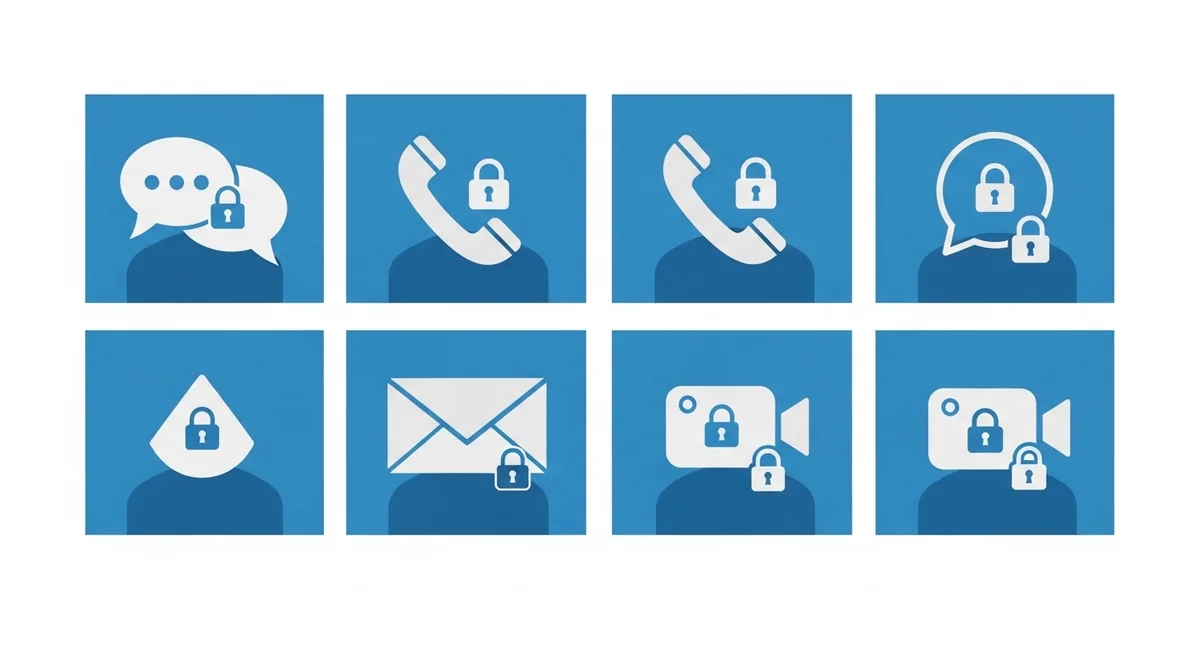
Since 2019, the messaging ecosystem has expanded dramatically. Today’s smartphone users communicate across multiple platforms:
- Traditional SMS/MMS: Still widely used, especially in the United States
- WhatsApp: The global leader with over 2 billion users, offering end-to-end encryption
- Facebook Messenger: Integrated with Meta’s ecosystem, including Instagram Direct Messages
- iMessage: Apple’s encrypted messaging service for iOS users
- Telegram: Known for privacy features and large group capabilities
- Signal: The gold standard for secure, encrypted messaging
- Discord: Popular among gaming and community groups
- Snapchat: Ephemeral messaging favored by younger users
- TikTok: Now includes robust direct messaging features
- Instagram: Direct messages are central to the platform’s social experience
This fragmentation means that even with physical access to someone’s phone, checking all their messages thoroughly within a limited time frame is challenging.
What About Methods to Access Messages Without Installing Apps?

Several approaches exist for reading someone’s messages without installing monitoring software on the target device. Each has advantages, limitations, and legal implications.
1. Hiring a Private Detective
Professional private investigators offer legitimate surveillance services, though their methods have evolved significantly since 2019. Modern investigators use legal digital forensics, public records searches, and traditional observation techniques.
Always keep your device updated and use strong unique passwords with two-factor authentication to minimize security risks.
Always keep your device updated and use strong unique passwords with two-factor authentication to minimize security risks.
Licensed investigators understand privacy laws and operate within legal boundaries, reducing your risk of criminal liability. However, they cannot magically access encrypted messaging services without proper legal authorization.
2. Requesting Records from Service Providers
Mobile carriers maintain detailed records of SMS and MMS messages, typically for 3-6 months, though policies vary by provider. In 2026, major carriers like Verizon, AT&T, T-Mobile, and international equivalents still store this metadata.
Obtaining these records legally requires:
- Being the account holder or having written authorization from the account holder
- Valid legal documentation such as a subpoena or court order
- Proper identification and verification of authority to access the records
Important note: carriers typically only store metadata (who texted whom, when, and message length) rather than actual message content. End-to-end encrypted services like WhatsApp, Signal, and iMessage don’t store readable message content even on their servers, making this approach ineffective for those platforms.
3. Cloud Backup Access
Many users automatically back up their messages to cloud services:
- iCloud: iPhone users often enable iCloud backup, which includes iMessages, SMS, and app data
- Google Account: Android users may back up SMS and app data to Google Drive
- Third-party backup services: Various apps offer message backup functionality
If you know someone’s cloud account credentials, you can potentially access their backed-up messages without touching their phone. However, this requires:
Cloud-based message access requires valid credentials and works only with services that create regular backups to iCloud or Google Drive.
- Knowing their account password
- Bypassing two-factor authentication (if enabled)
- Avoiding detection, as most services send login notifications
This method is legally questionable and potentially criminal in many jurisdictions, as it involves unauthorized access to computer systems.
4. Web-Based Messaging Platforms
Several messaging services offer web or desktop versions that mirror conversations:
- WhatsApp Web
- Telegram Desktop
- Facebook Messenger web interface
- Instagram web version
- Discord desktop application
If someone has previously logged into these services on a shared computer and hasn’t logged out, their messages might be accessible. However, most platforms now implement session timeouts and require periodic reauthorization from the mobile device.
5. SIM Card Data Recovery
Older SMS messages may be stored on the SIM card itself, though modern smartphones typically save messages to internal memory. With physical access to the SIM card, specialized equipment can recover this data.
SIM card readers and forensic software can extract:
- Stored SMS messages (usually limited to 20-50 messages depending on SIM capacity)
- Contact information
- Call logs
This method is limited to traditional SMS and doesn’t access modern messaging apps. It also requires removing the SIM card, which would alert the phone’s owner if they notice their device has lost cellular connectivity.
What Are The Reality of Message Access?
Despite various methods advertised online, the truth is straightforward: without specialized software installed on the target device, accessing someone’s modern messaging communications in real-time is extremely difficult and usually illegal.
Encryption has become standard since 2019.
WhatsApp, Signal, iMessage, and Telegram all employ end-to-end encryption, meaning messages are scrambled in transit and can only be decrypted on the sender’s and recipient’s devices. Even the service providers cannot read these messages, making interception virtually impossible without compromising the device itself.
What About Legal and Ethical Implications?
Laws regarding unauthorized access to electronic communications have strengthened significantly:
- United States: The Electronic Communications Privacy Act (ECPA) and Computer Fraud and Abuse Act (CFAA) criminalize unauthorized access to electronic communications, with penalties including fines and imprisonment
- European Union: GDPR imposes strict data privacy requirements with substantial penalties for violations
- United Kingdom: The Computer Misuse Act and Data Protection Act provide similar protections
- Other jurisdictions: Most developed nations have comparable privacy protection laws
Exceptions typically include:
Check your local laws before monitoring anyone’s messages — legal requirements vary significantly between states and countries.
- Parents monitoring minor children (age limits vary by jurisdiction)
- Employers monitoring company-owned devices with proper employee disclosure
- Law enforcement with valid warrants
Reading someone’s messages without authorization can result in:
Penalties for unauthorized message interception include both criminal charges and civil liability in most jurisdictions.
- Criminal charges and potential imprisonment
- Civil lawsuits for invasion of privacy
- Restraining orders or protective orders
- Damaged relationships and loss of trust
- Evidence obtained illegally being inadmissible in court
What About Alternative Approaches?

Before resorting to covert surveillance, consider these alternatives:
- Direct communication: Honest conversation about concerns often resolves issues more effectively than spying
- Relationship counseling: Professional therapists can help address trust issues and communication breakdowns
- Legal consultation: If divorce or custody issues are involved, attorneys can advise on proper evidence gathering
- Open device policies: Establishing mutual transparency in relationships or families with shared device access
What About Protecting Your Own Messages?
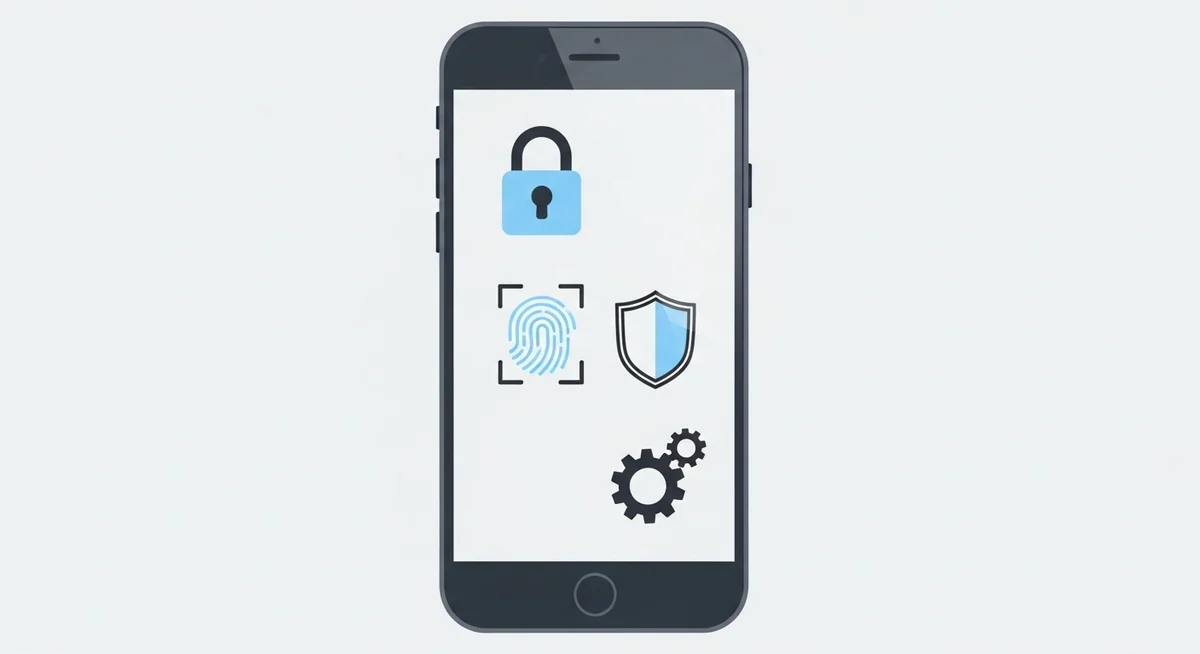
If you’re concerned about your own message privacy:
- Enable screen lock with a strong password or biometric authentication
- Use messaging apps with end-to-end encryption
- Enable two-factor authentication on all accounts
- Regularly review active sessions and logged-in devices
- Disable message previews on lock screens
- Use disappearing messages features when available
- Be cautious about cloud backup settings
- Regularly update your device’s operating system and apps for security patches
“Digital security is a shared responsibility. Parents monitoring their children, employers securing company devices, and individuals protecting their own accounts all contribute to a safer ecosystem.”
Dr. Sarah Chen, Digital Forensics Expert, SANS Institute
What About Conclusion?
For comprehensive monitoring, specialized software must be installed on the target device, and even then, legal and ethical considerations must be carefully weighed.
Ultimately, trust and open communication provide more sustainable solutions to relationship concerns than covert surveillance. When monitoring is genuinely necessary and legal, such as parents supervising minor children, transparent policies and age-appropriate conversations about digital safety serve everyone better than secret spying.
Want to read text messages? Check Have I Been Pwned to verify none of your accounts have been compromised.
Now you know how to read text messages effectively using the methods described above.
For more security tips, see our guide to detecting spy apps and our Hoverwatch review.
Frequently Asked Questions
Only through cloud sync (iCloud or Google account access) or carrier-level interception (law enforcement only). No website or app can read your texts using just your phone number. Physical access or account credentials are always required for consumer-level monitoring.
Deleted messages can persist in cloud backups (iCloud, Google Drive) and in device storage until overwritten. Dedicated monitoring apps log messages in real-time before deletion occurs. Forensic tools can sometimes recover deleted texts from device memory.
Use end-to-end encrypted messaging apps like Signal for sensitive conversations. Enable 2FA on your Apple ID and Google account. Never share your account credentials. Use biometric screen locks and check for unknown connected devices regularly.
Carriers transmit SMS messages but typically don't store content after delivery. They retain metadata (who, when, duration) for billing and legal compliance. Carrier family plans show call/text logs but not message content. For actual text reading, you need device-level access.
Yes, in most jurisdictions. Parents have broad rights to monitor minor children's device activity, especially on devices they own. However, laws vary by state and country. Some regions require informing the child. Monitoring adult children or other adults without consent is illegal.