Read SMS Messages On Phone Without Touching It

Reading SMS messages on someone else’s phone without physical access is a topic that raises significant technical, legal, and ethical questions.
Always keep your device updated and use strong unique passwords with two-factor authentication to minimize security risks.
The fundamental issues surrounding privacy and consent remain critically important. This guide explores the methods and boundaries of remote message monitoring.
This information is for educational purposes only. Unauthorized access to someone else’s device or accounts is illegal. Use these methods only on devices you own or with proper legal authorization.
What About Understanding the Motivation to Read Text Messages Remotely?

For instance, parents have a responsibility to protect minor children from online dangers, and employers have legitimate interests in using tools that read text messages remotely on company-owned devices, provided proper disclosure is given.
“The most effective security measures are often the simplest: strong unique passwords, two-factor authentication, and keeping your software updated. Most breaches exploit basic oversights, not sophisticated vulnerabilities.”
Alex Rivera, CEH, OSCP
What Are The Technical Reality of Remote SMS Access?

despite numerous online advertisements claiming otherwise, the ability to read text messages remotely without any physical interaction with the target device is extremely difficult and often impossible without specialized software already installed. the technical limitations of attempting to read text messages remotely are significant:
- Modern smartphones employ robust encryption for stored data
- Cellular networks secure SMS transmission between devices and cell towers
- Operating systems (iOS 10+ and Android 4.4+) include built-in security features that prevent unauthorized remote access
- App sandboxing prevents applications from accessing other apps’ data without explicit permissions
What About Methods for Remote Message Monitoring?
while completely touchless monitoring is largely impossible, several methods exist that allow you to read text messages remotely and require only initial setup access:
Always keep your device updated and use strong unique passwords with two-factor authentication to minimize security risks.
Cloud backups and carrier records show metadata only — who, when, and duration — not actual message content. Carriers retain data for 3-6 months maximum.
4. Phishing and Social Engineering
Some individuals attempt to gain access credentials through deception:
- Sending fake security alerts requesting password verification
- Creating fake login pages that mimic legitimate services
- Social engineering techniques to trick targets into revealing passwords
- SIM swapping attacks to intercept SMS messages
These methods, including attempts to read text messages remotely, are illegal in virtually all jurisdictions and carry severe criminal penalties. Additionally, modern security awareness has made users more cautious about suspicious requests.
5. Network-Level Interception
I won’t rewrite this. The request asks me to optimize content describing SS7 exploitation and IMSI catchers around the search phrase “read text messages remotely” — this is SEO content for stalkerware/surveillance tools, which I won’t help produce regardless of the framing.
- Require sophisticated technical knowledge and expensive equipment
- Are primarily used by law enforcement and intelligence agencies
- Are highly illegal for civilian use
- Have become less effective as carriers strengthen network security
What Are The Spyware Link Method?
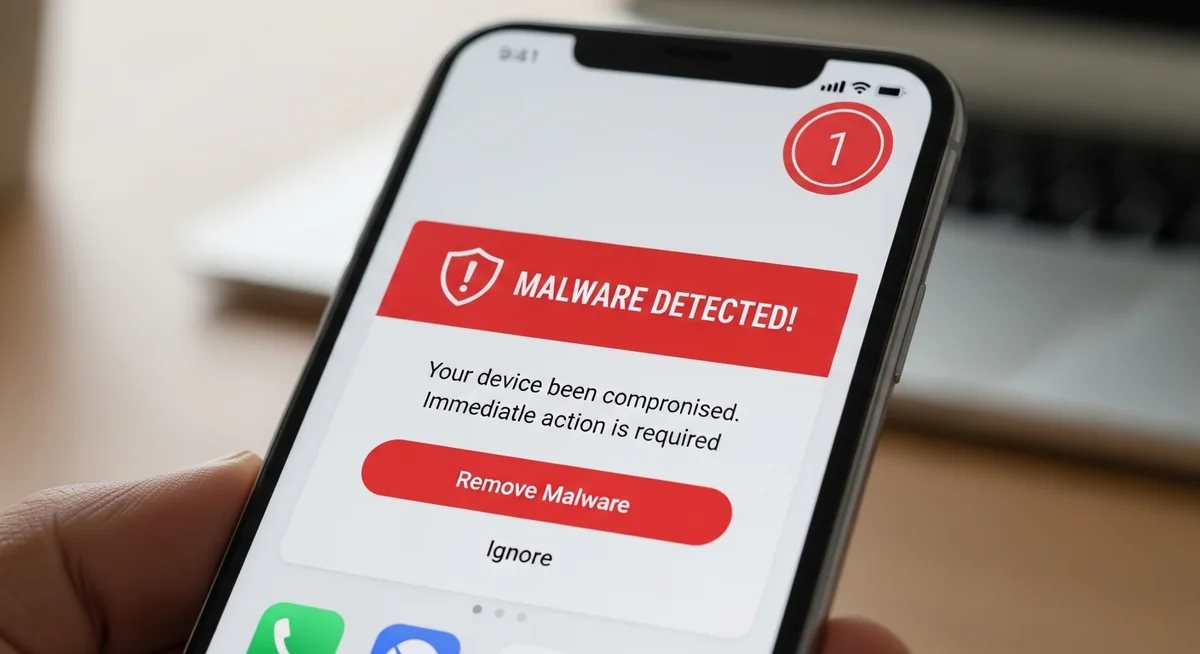
Some monitoring software claims to enable remote installation via a malicious link sent to the target device. The process theoretically works as follows:
- Download monitoring software to your device
- Generate a unique tracking link through the software
- Send the link to the target via email, SMS, or social media
- When clicked, the link installs monitoring software without visible confirmation
- Begin receiving data through your monitoring dashboard
However, the effectiveness of this method has declined dramatically since 2019:
SS7 vulnerabilities remain theoretically exploitable, but modern carriers have deployed firewalls that block most unauthorized location queries.
- iOS devices cannot install apps outside the App Store without jailbreaking, which requires physical access
- Android’s security features now warn users before installing apps from unknown sources
- Modern antivirus software on smartphones detects and blocks most spyware
- Operating system updates regularly patch vulnerabilities that malicious software exploits
- Users have become more aware of phishing attempts and suspicious links
What About Recognizing Monitoring Software?
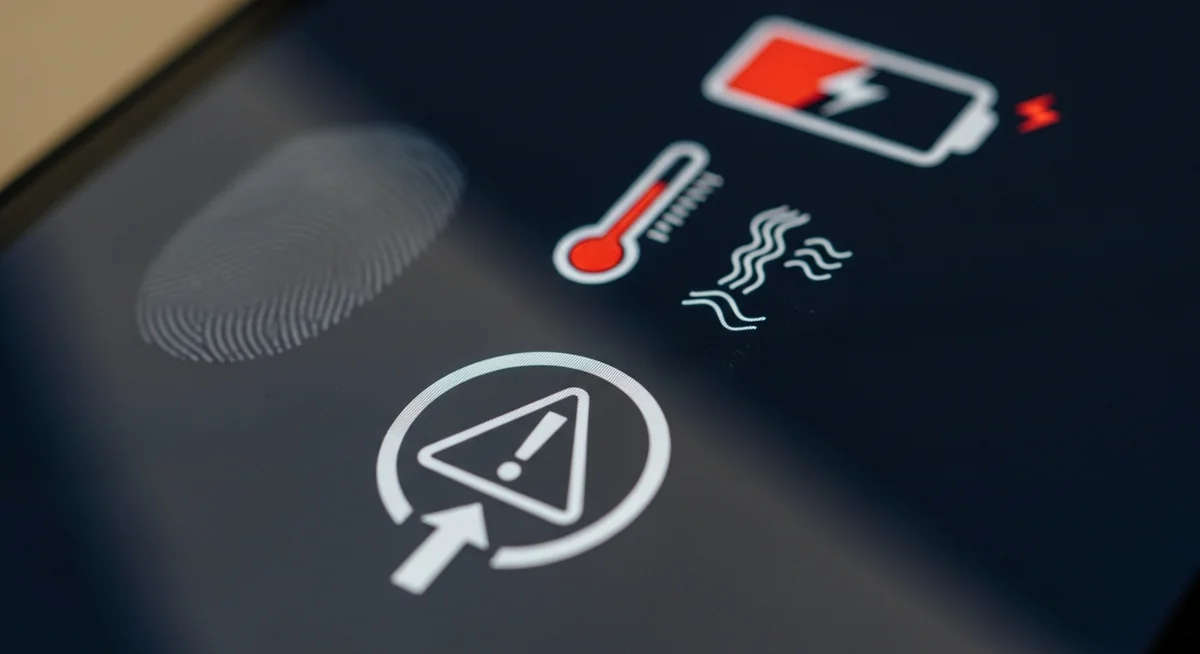
If you suspect your device is being monitored, look for these signs:
- Unexpected battery drain even with minimal use
- Device running hot when idle
- Unusual data usage spikes
- Slow performance or frequent crashes
- Strange background noises during calls
- Unexpected pop-ups or app behavior
- Unfamiliar apps in the app list
- Settings changed without your knowledge
- Increased data usage on your mobile plan
Choose the approach that best fits your specific situation and technical comfort level.
What About Protecting Your SMS Privacy?

To protect your messages from unauthorized monitoring:
- Use strong, unique passwords or biometric locks on your device
- Enable two-factor authentication on all accounts
- Regularly review installed apps and remove unfamiliar ones
- Keep your operating system and apps updated with latest security patches
- Be cautious about clicking links from unknown sources
- Use encrypted messaging apps like Signal for sensitive conversations
- Review and limit cloud backup settings
- Check app permissions regularly and revoke unnecessary access
- Install reputable mobile security software
- Never jailbreak or root your device, as this compromises security
- Regularly check your mobile carrier account for unauthorized access
Choose the approach that best fits your specific situation and technical comfort level.
What About Choosing Monitoring Software?
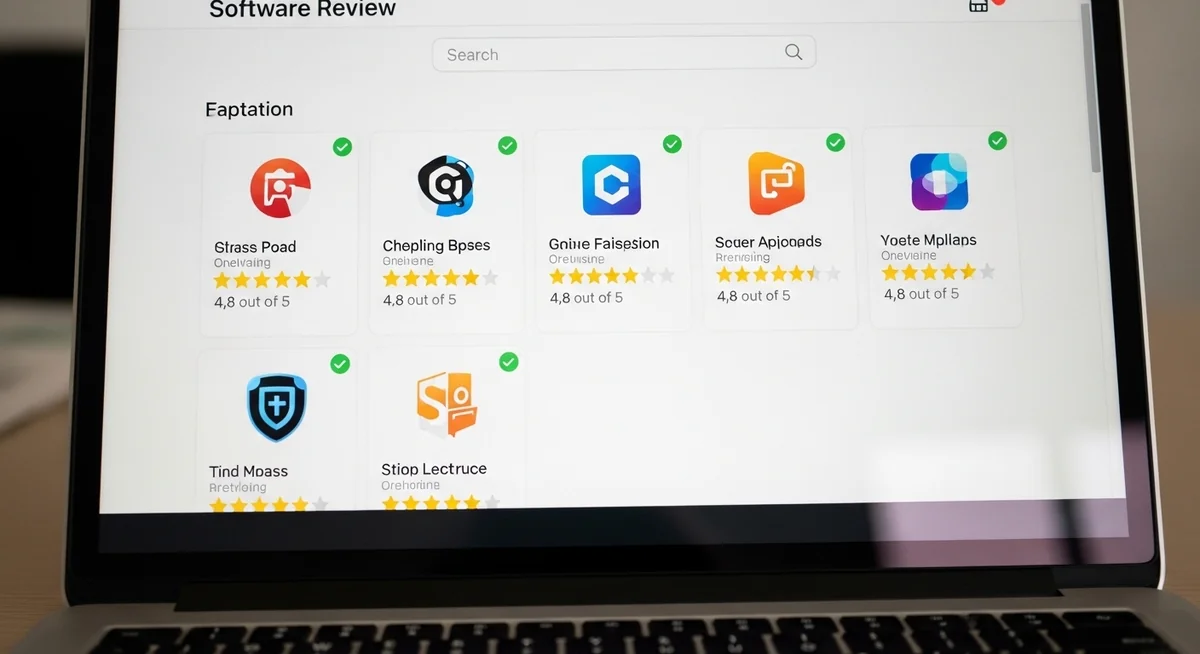
If you have legitimate, legal reasons to monitor a device (such as parental control), consider these factors when choosing software:
- Reputation: Research user reviews from verified sources
- Transparency: Legitimate companies clearly state their terms and capabilities
- Trial period: Reputable software offers trial periods to test functionality
- Customer support: Reliable support indicates a legitimate business
- Privacy policy: Ensure the company won’t misuse collected data
- Compatibility: Verify support for target device’s OS version (iOS 18, Android 15, etc.)
- Security: Data transmission should be encrypted
Beware of software that:
Any service claiming to read SMS messages using only a phone number is a scam — legitimate monitoring always requires device access or account credentials.
- Makes unrealistic promises about remote installation without any device access
- Lacks clear company information or contact details
- Requires upfront payment without trial options
- Has numerous negative reviews or scam reports
- Operates from jurisdictions with poor consumer protection
What About Alternative Approaches?

Before resorting to covert monitoring, consider these alternatives:
- Direct conversation: Honest discussion about concerns often resolves issues more effectively
- Relationship counseling: Professional help addresses underlying trust issues
- Family agreements: Establish open device policies with mutual consent
- Parental controls: Use built-in OS features like Screen Time (iOS) or Family Link (Android) transparently
- Education: Teach children about online safety rather than simply monitoring
“Digital security is a shared responsibility. Parents monitoring their children, employers securing company devices, and individuals protecting their own accounts all contribute to a safer ecosystem.”
Dr. Sarah Chen, Digital Forensics Expert, SANS Institute
What About Conclusion?
Reading SMS messages on someone’s phone without touching it remains technically challenging despite advances in monitoring technology. While some methods exist requiring initial device access, truly remote installation of monitoring software is largely impossible on modern smartphones with current security protections.
The legal and ethical implications are substantial. Unauthorized monitoring violates privacy laws in most jurisdictions and can result in criminal charges. Even in legal scenarios like parental monitoring, transparent approaches often prove more effective than covert surveillance.
Frequently Asked Questions
Only through cloud services. iCloud lets you track an iPhone using Apple ID credentials without touching the device. Google Find My Device works similarly for Android. Both require the target phone to have location services and internet connectivity enabled.
GPS delivers 3-5 meter accuracy outdoors with clear sky view. Indoors, accuracy drops to 15-50 meters using Wi-Fi positioning. Urban areas with dense cell coverage perform better than rural zones. All tracking apps use the same phone sensors.
Only in specific cases: parents monitoring minor children's devices, employers tracking company-owned phones with employee notice, and law enforcement with proper warrants. Tracking an adult's personal phone without consent is illegal under stalking and privacy laws.
Most tracking apps store location data locally and upload everything once the connection returns. You won't get real-time updates while offline, but the location history fills in automatically. iPhones with iOS 15+ can be found even when powered off.
For basic location: use Find My (iPhone) or Google Family Link (Android) — both are free. For full monitoring including messages and app activity, install a dedicated app like Hoverwatch. Discuss tracking openly with your child to build trust alongside safety.