In What Cases Phone Tracking Can Be Useful?
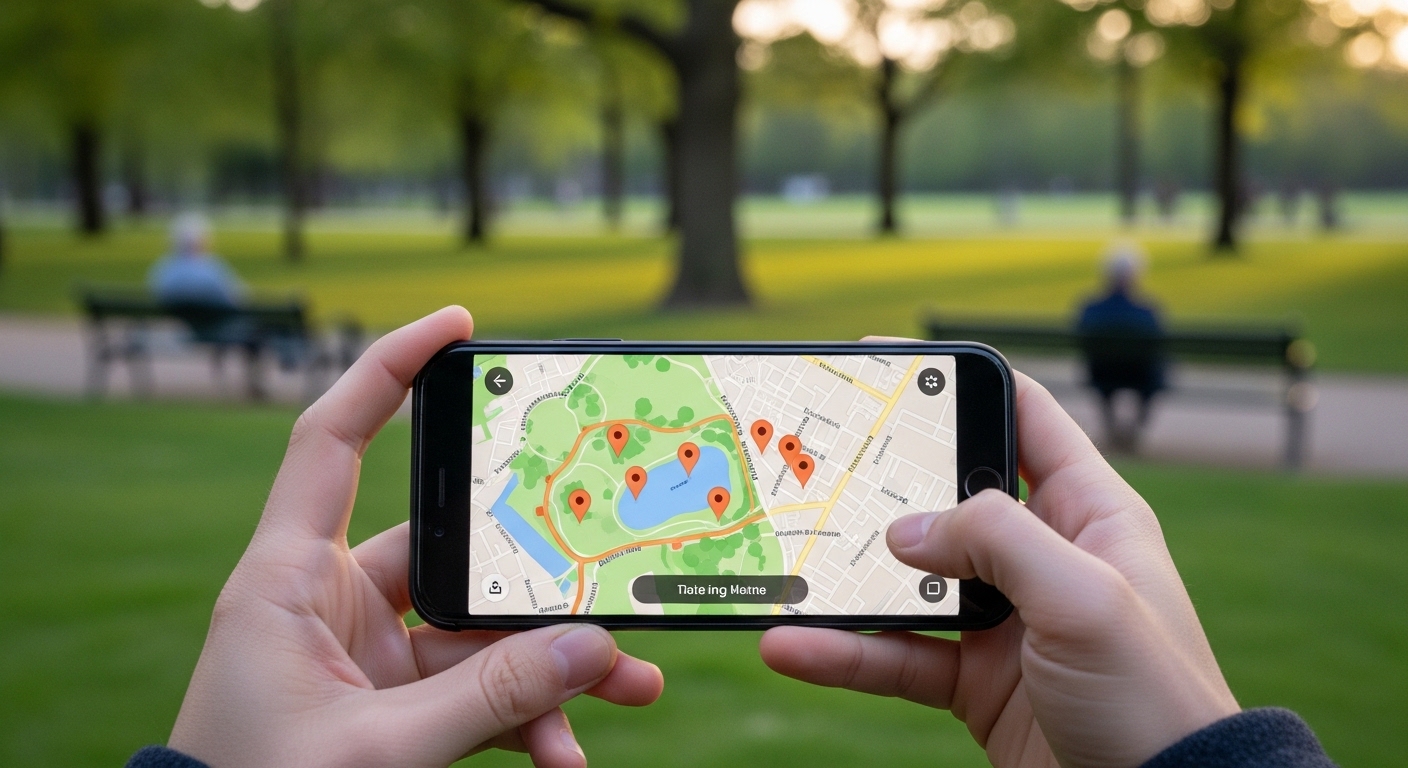
Phone tracking serves dozens of legitimate purposes beyond surveillance — from recovering stolen devices to ensuring your child arrived at school safely.
The technology has matured to a point where it feels as natural as checking the weather app.
Phone tracking is subject to federal and state laws including ECPA and state wiretapping statutes. Always obtain consent before monitoring another adult’s device — unauthorized.
What About Why Phone Tracking Is More Common Than You Think?

Location monitoring serves as a practical everyday tool for millions of families and businesses worldwide. Surveys indicate that over half of parents rely on location-sharing features to monitor their children’s whereabouts.
A Pew Research study found that 72% of parents with children under 12 have used some form of digital monitoring, with location sharing being the most popular feature.
It is not just a surveillance tool but a way to handle real responsibilities. This normalization makes location monitoring a standard feature in many daily routines, from morning commutes to evening check-ins.
“The most effective security measures are often the simplest: strong unique passwords, two-factor authentication, and keeping your software updated. Most breaches exploit basic oversights, not sophisticated vulnerabilities.”
Alex Rivera, CEH, OSCP
What About Phone Tracking for Parents: Keeping Kids Safe?
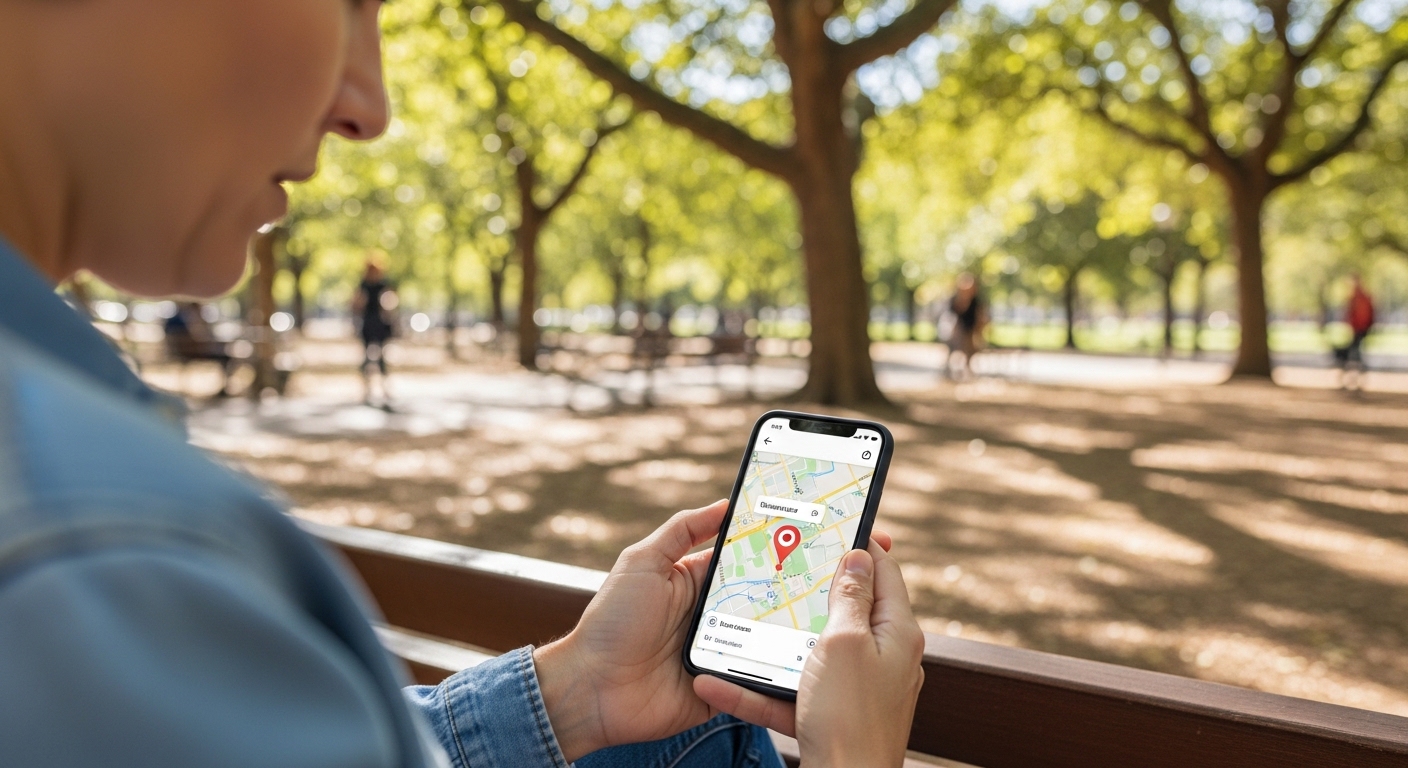
Imagine your teenager walking home from school in a busy neighborhood. A quick glance confirms they took the usual route and reached the door.
No need to text every few minutes or wonder if they stopped somewhere unexpected.
Set geofence alerts for key locations like home, school, and the local park. You receive an instant notification the moment your child crosses the boundary in either direction.
After-school activities benefit greatly from GPS monitoring. Soccer practice runs late or a club meeting changes location — you know immediately and can adjust pickup plans or offer a ride when needed.
Age-appropriate monitoring matters for building trust. Full access suits elementary kids, while teens often need only location sharing during specific hours or activities.
 Hoverwatch stands out as a top solution for parents who want more than basic location data. It delivers GPS updates alongside message and call logs for complete oversight of younger children’s activity.
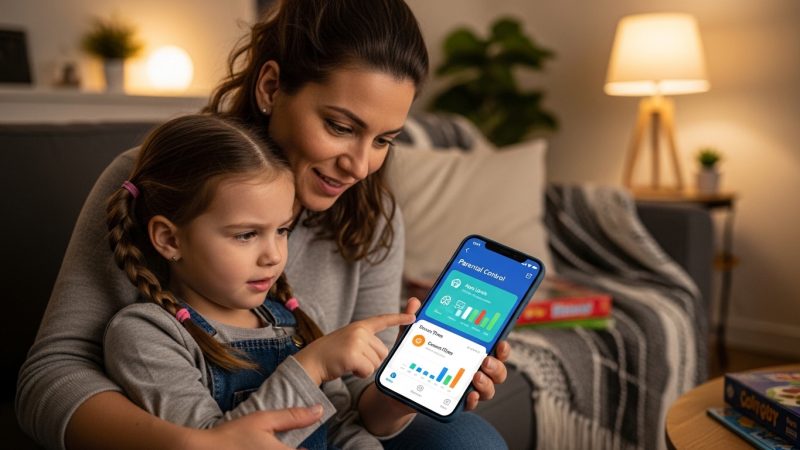
 Life360 works well for families who prefer mutual visibility. Everyone in the circle sees each other, which builds transparency and makes teens feel like equal participants rather than surveillance targets.
Many families pair tracking with simple communication routines. A teen texts when leaving school, and the app confirms arrival — both sides stay informed without friction.
What About Phone Tracking for Lost or Stolen Devices?

Phone tracking for lost or stolen devices helps you locate them quickly through built-in features like Find My iPhone or Google Find My Device.
Activate the app or website, and it shows the last known position on a map.
Success stories happen daily.
A commuter leaves their phone on a train seat. Within minutes, they mark it lost and see it moving toward the next station, then contact staff directly to retrieve it.
Act immediately when you notice your phone is missing. Use the remote sound feature first — it makes the device ring at full volume even when set to silent mode.
Lock the device remotely or erase all data if recovery seems unlikely. These steps protect your personal information, banking apps, and saved passwords from unauthorized access.
Limitations exist when the phone is powered off or the battery is dead. The system may show only the last location before power loss.
However, Apple’s Find My network uses Bluetooth signals from nearby devices to update the location even when the phone is offline.
For Android users, Google’s Find My Device network now works similarly.
Enable it in advance so the feature is ready when you need it most — after a loss is too late to set it up.
What About Phone Tracking for Businesses and Employers?
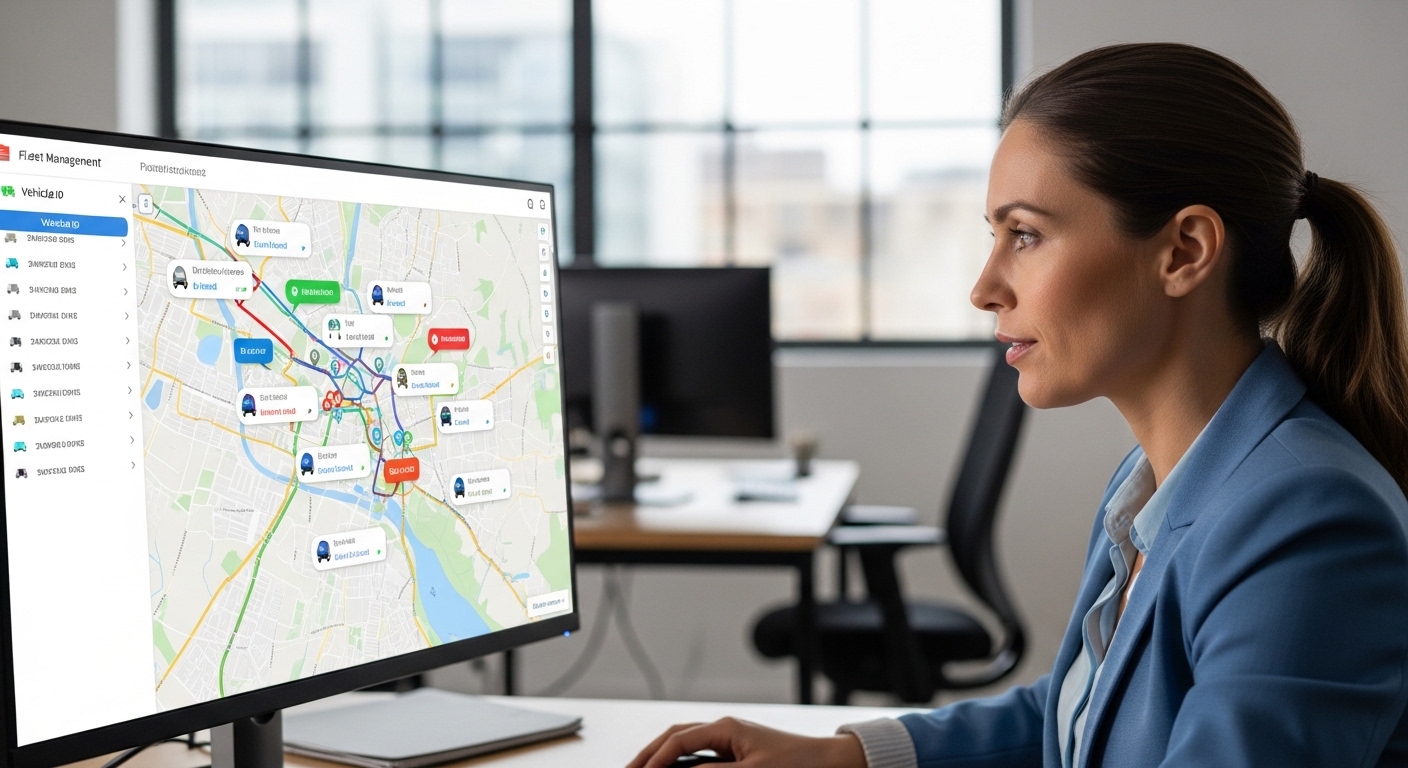
GPS monitoring for businesses streamlines field team management for delivery drivers, sales reps, and service technicians. Real-time fleet tracking shows positions so dispatchers assign jobs efficiently based on proximity.
Field Team Management
A delivery driver finishes one stop and heads to the next.
Managers see traffic delays in real time and reroute other drivers to maintain schedules. Customers receive accurate ETAs, which improves satisfaction and reduces complaints.
Route optimization alone can save 15-20% on fuel costs for companies running multiple daily deliveries. The data also helps identify which routes consistently cause delays so you can plan alternatives.
Companies using fleet tracking report an average 13% reduction in fuel costs and 20% improvement in on-time delivery rates, according to GPS fleet management industry surveys.
Employee Productivity
Location monitoring verifies working hours and confirms technicians arrive at job sites during scheduled shifts. Sales teams visit clients across town, and location data matches calendar entries to actual routes.
This highlights efficient patterns and spots areas needing better planning. Many field service companies find that simply enabling tracking reduces unauthorized stops by 25% or more.
Asset Protection
Device tracking prevents misuse of company equipment.
Managers notice if a tablet leaves the office after hours or travels outside approved zones. Quick geofence alerts let you respond before small issues become costly losses.
Always inform employees about tracking policies in writing before activating monitoring on company devices. Covert workplace surveillance may violate labor laws and damage team trust.
What About Phone Tracking for Personal Safety?

Device tracking for personal safety gives solo travelers and elderly family members extra security through simple location sharing. You stay connected during hikes, road trips, or daily errands in unfamiliar areas.
A solo traveler explores a new city alone.
Sharing live location with a friend back home creates a safety net. If plans change or help is needed, the exact spot appears instantly on their screen.
Elderly parents benefit significantly when they have memory issues or tend to wander.
Caregivers receive alerts if someone leaves a familiar area. Emergency situations improve because first responders get precise coordinates without time-consuming questions.
Most smartphones let you share your live location with one tap — set it to expire after a specific time period so you maintain full privacy once you arrive safely.
Runners and cyclists use it during early morning or late evening workouts.
A partner can check the route in real time without interrupting the exercise. If something goes wrong, they know exactly where to send help.
The key is choosing tools that feel supportive rather than intrusive. Mutual sharing — where both people see each other — works better for couples and friends than one-way monitoring.
What Are the Best Phone Tracking Apps for Different Needs?
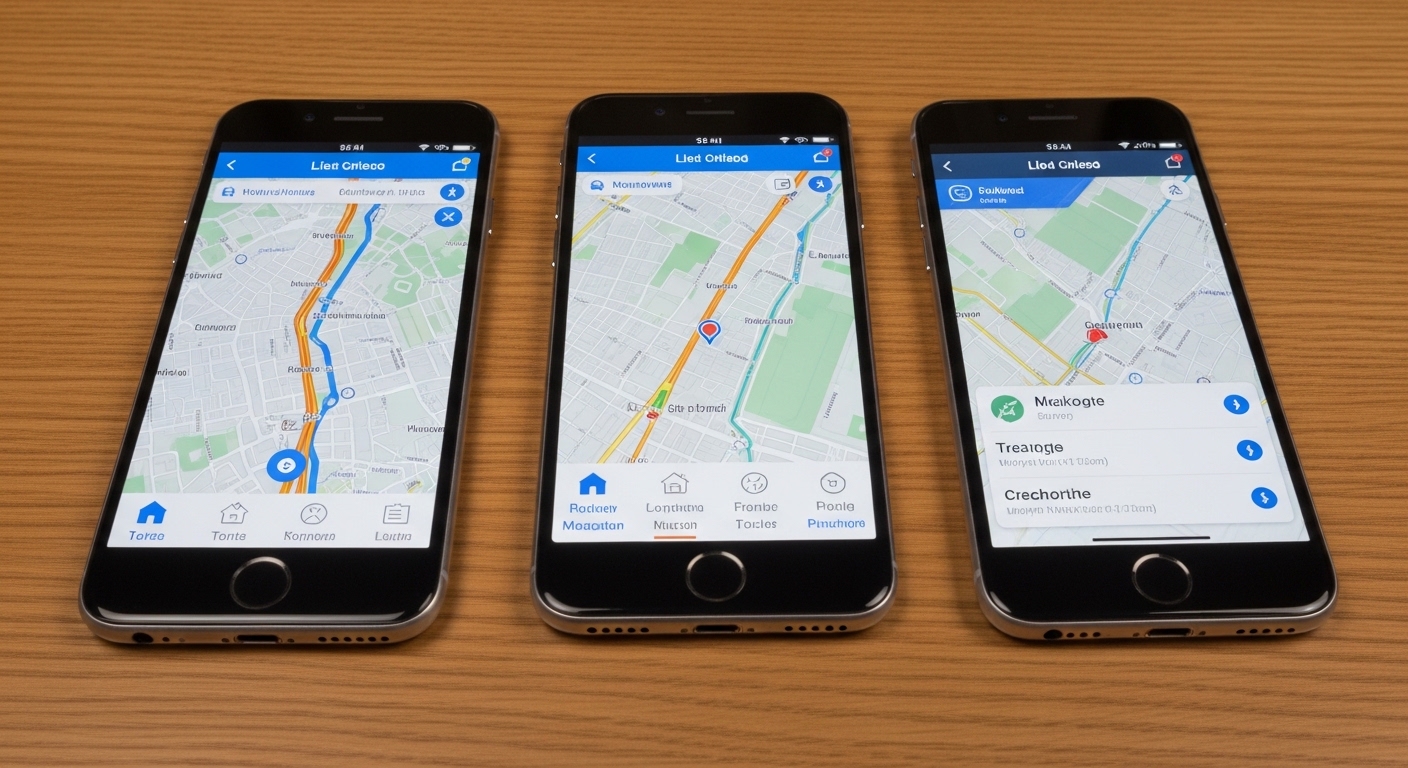
Choosing the right app depends on your specific situation. A parent monitoring a 10-year-old needs different features than someone recovering a stolen phone. Here is how the top options compare.
Read the full Hoverwatch review for setup details, or learn how to install GPS tracker apps on both platforms.
| App | Use Case | GPS | Messages | Stealth | Price |
|---|---|---|---|---|---|
| Hoverwatch | Comprehensive monitoring | Yes | Yes | Yes | Paid subscription |
| Life360 | Family location sharing | Yes | No | No | Free tier available |
| Find My / Google Find My Device | Lost device recovery | Yes | No | No | Free |
Use this comparison to identify the option that matches your requirements.
What About When Phone Tracking Crosses the Line?

Location monitoring crosses the line when used without consent on adults or in ways that break trust. Always talk openly with family or partners before installing any tracking app on their device.
Respect boundaries by limiting features to location only when full access feels unnecessary. A partner who shares their commute location is very different from someone secretly reading private messages.
Installing tracking software on an adult’s phone without their knowledge or consent is illegal in most jurisdictions and may constitute stalking under federal and state law.
Practical guidelines keep things healthy. Use tracking for safety and coordination, not control. Review settings together periodically so everyone understands exactly what is shared and can adjust boundaries.
Check is phone tracking legal in your state before setting up any monitoring. Laws vary significantly between jurisdictions, and what is acceptable for a parent may not be legal between spouses.
“Digital security is a shared responsibility. Parents monitoring their children, employers securing company devices, and individuals protecting their own accounts all contribute to a safer ecosystem.”
Dr. Sarah Chen, Digital Forensics Expert, SANS Institute
Final Thoughts
Phone tracking proves useful across many everyday situations when applied thoughtfully and transparently. It delivers practical benefits from child safety to business efficiency and personal reassurance during solo activities.
Choose the right tool for your specific needs and use it openly with everyone involved.
The technology works best as a helpful safety assistant rather than a secret surveillance tool — and the law agrees.
Frequently Asked Questions
In most states, yes — parents have broad legal authority to monitor minors' devices. But telling them builds way more trust than hiding it. Set clear expectations around privacy and explain how it helps during commutes or outings. Hoverwatch or Life360 both work well here, and having that open conversation makes the whole thing smoother.
Life360 is probably your best bet — dead simple setup, and your parent just needs to join a family circle once. After that it runs in the background automatically. You get alerts when they leave a safe zone, and crash detection is a nice bonus. If even that feels too complex, just enable Google Maps location sharing — one tap and done.
Generally no — they need your explicit written consent, and even then it gets murky. Most companies that take this seriously provide separate work phones with tracking disclosed upfront in the employment agreement. If your boss is pressuring you to install something on your personal device, push back and ask for a company phone instead.
Yeah, most modern apps handle this well. Life360 and Google Maps both let you set temporary shares that expire automatically. Set it to activate during your commute or evening run, and it switches off afterward. That way you get the safety benefit without feeling like someone's watching you 24/7.
Short answer: no, not in real time. Airplane mode kills GPS and data connections, so the app can't send location updates. You'll see the last known position from before airplane mode was turned on. The one exception is Apple's Find My network, which can use Bluetooth from nearby iPhones to relay a location later — but that only works once the phone comes back online.