How To Spy On Telephone Without Having Access To It
Your child stopped answering calls, your employee is leaking data, or you simply need to spy on a cell phone you own — but the device is never within reach.
Remote phone monitoring sounds impossible, yet millions of parents and employers do it daily with the right tools.
The trick is knowing which method matches your situation.
iPhones allow you to spy on cell phone data through cloud-based tracking without installation. Android devices need a quick one-time setup.
Monitoring someone’s phone without consent may violate federal and state wiretapping laws, including the Electronic Communications Privacy Act (ECPA). Use these tools only on devices you own or with explicit written permission from the user.
Can You Spy on a Cell Phone Without Physical Access?
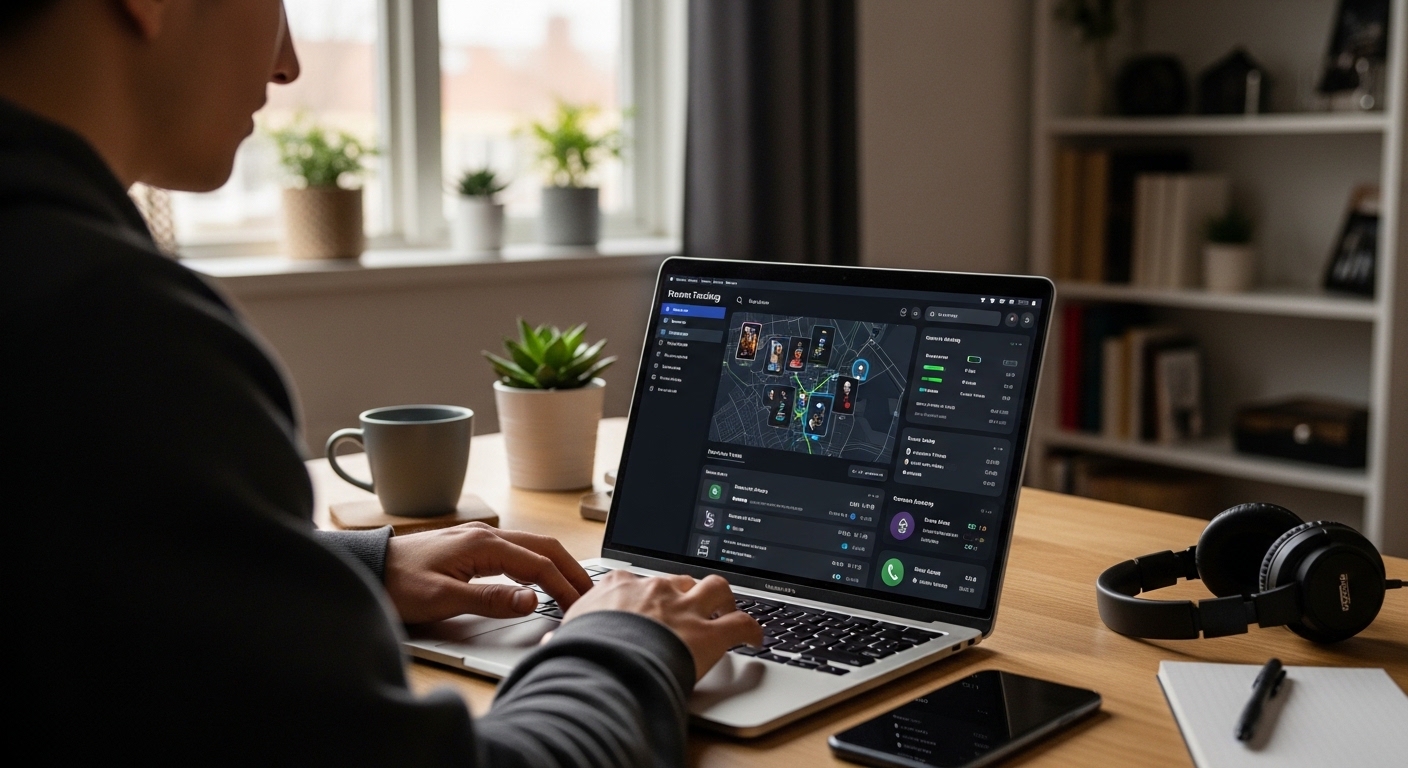
Honest answer: it depends entirely on the operating system. iPhone monitoring through iCloud works remotely in many cases. Android almost always requires brief physical access for the initial install.
A 2024 Pew Research study found that 72% of parents with children under 16 use some form of digital monitoring on family-owned devices.
“The iCloud-based approach changed everything for iPhone monitoring. You no longer need five minutes alone with someone’s phone — just their Apple ID credentials. Protect your iCloud password like your bank PIN.”
Alex Rivera, CEH, OSCP
Parents and employers turn to these solutions because they need real insights without constant confrontation.
Once configured properly, data flows to your secure online account automatically. You can spy on cell phone activity from anywhere using any web browser.
Claims of completely access-free full monitoring are usually scams or heavily restricted services. Always verify that you own the device or have explicit permission before proceeding. Legitimate apps respect privacy laws designed for owned phones.
Start with a free trial before committing to any subscription. Every reputable monitoring service offers at least a demo or limited trial period to test features firsthand.
How Can You Spy Through iCloud Without Touching the Phone?
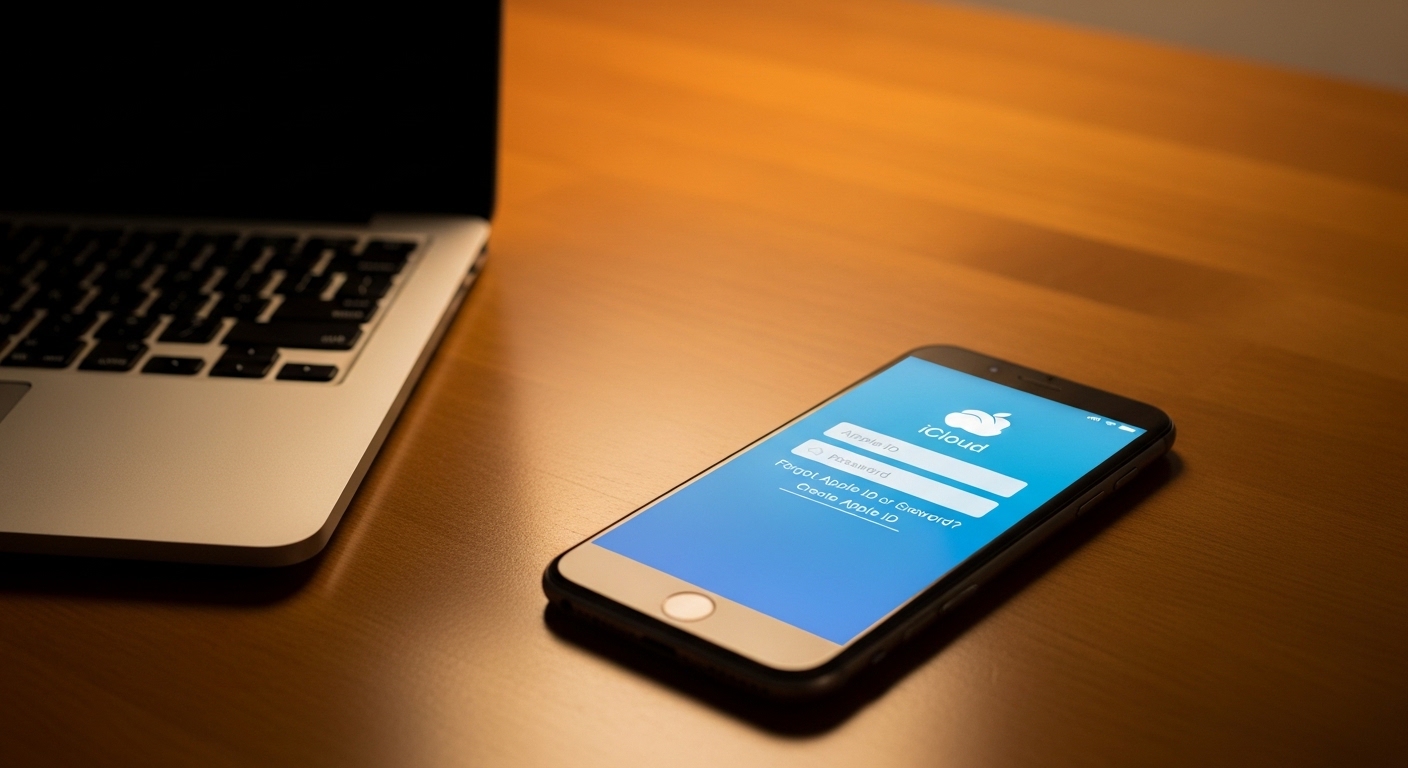
This method lets you spy on cell phone messages and location using only the Apple ID password and any two-factor authentication code.
Once connected, the monitoring app pulls data directly from iCloud backups without any installation on the target phone.
What you can see includes location history, iMessage and SMS backups, photos, contacts, calendar entries, and some app data. Real-time tracking may update every few hours depending on how frequently the phone creates backups.
 What iCloud reveals: GPS location history, iMessages, SMS texts, photos, contacts, notes, calendar events, and browser bookmarks.
 Known limitations: Deleted messages vanish before backup, WhatsApp and Telegram need extra steps, and real-time GPS depends on backup frequency settings.
Enable iCloud backup on the target iPhone first for best performance. Go to Settings,
tap the Apple ID name, select iCloud, and confirm that iCloud Backup is toggled on. This single step determines how much data you receive.
How Does Android Monitoring Work Remotely?
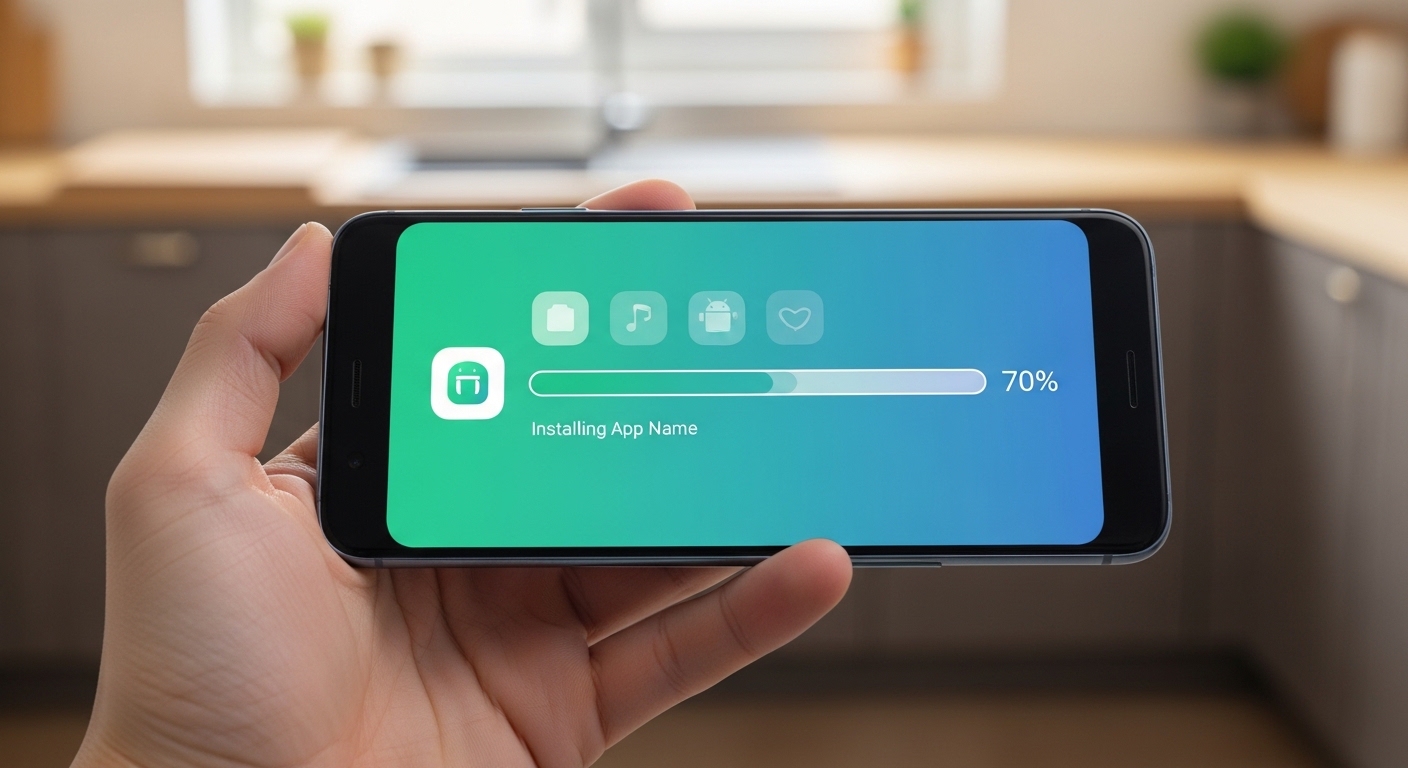
Most Android solutions need five to ten minutes with the phone to install the app and grant permissions.
Once configured, you can spy on cell phone activity silently as data uploads to your remote dashboard. No further physical access is necessary.
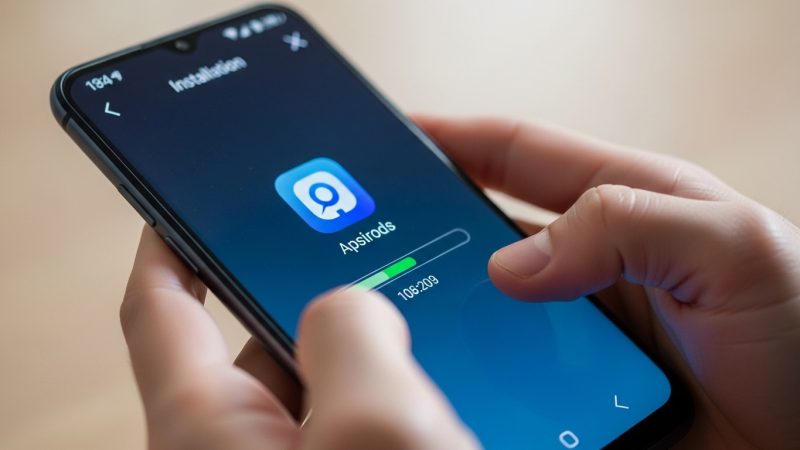
The process works smoothly on modern Android versions. You download the APK from your account dashboard,
install it, grant accessibility and location permissions, then hide the icon. The app becomes completely invisible while sending continuous updates.
Android holds roughly 72% of the global smartphone market share, making it the primary target platform for most cell phone monitoring applications.
You can view location history, contacts, and some synced data directly through Google services without installing any extra software.
However, Google Sync stays limited compared to dedicated monitoring apps. You will not get message content or social media activity. Combine it with a full monitoring app for complete visibility.
Both platforms allow effective remote monitoring once the initial setup is complete. The key difference is that iPhone monitoring through iCloud requires no physical access at all.
Which Apps Let You Spy on a Cell Phone Remotely?
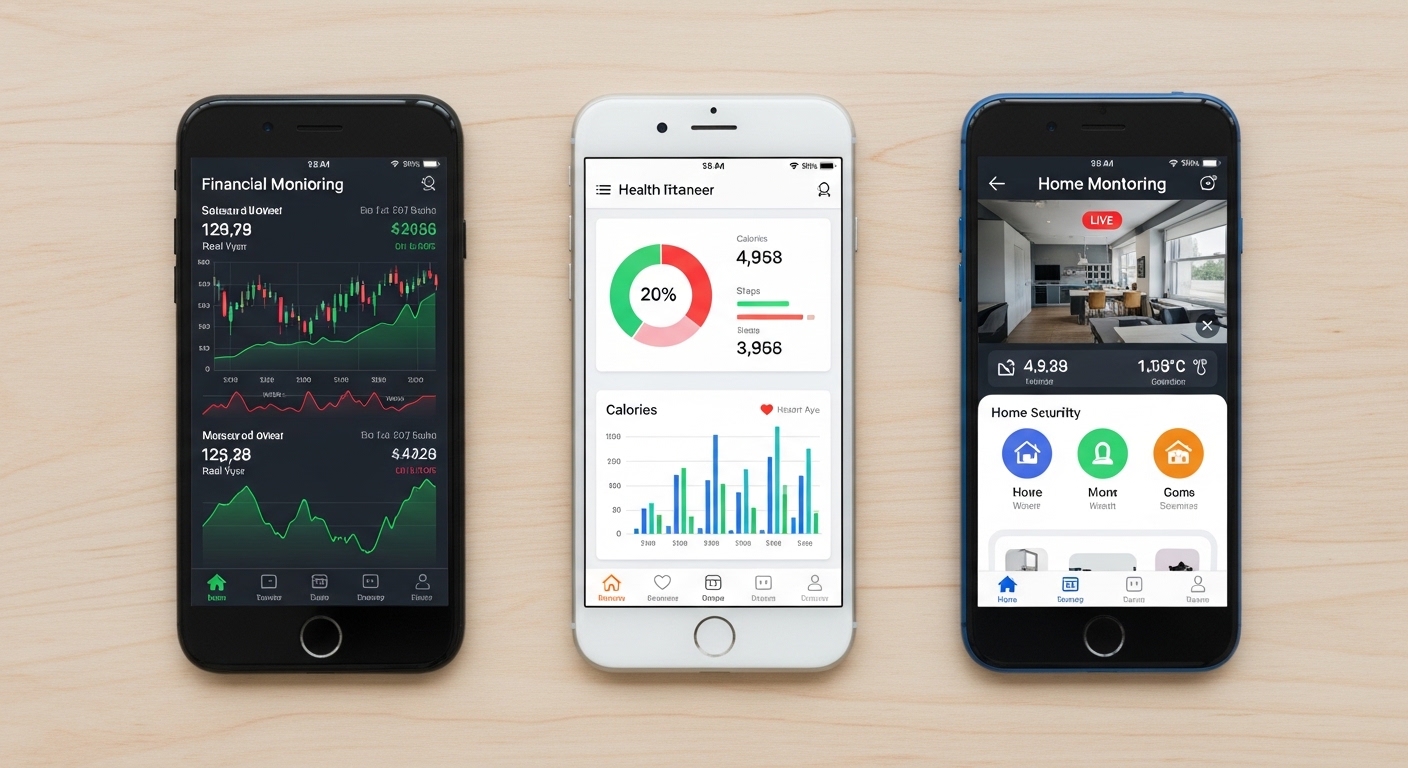
Choosing the right app to spy on cell phone activity depends on your target platform, budget, and required feature depth. Here is how the top four contenders compare across the categories that matter most.
| App | No-Access iPhone | Android Stealth | GPS | Messages | Price/month |
|---|---|---|---|---|---|
| Hoverwatch | No | Yes | Yes | Yes | $24.95 |
| mSpy | Yes (iCloud) | Limited | Yes | Yes | $48.99 |
| FlexiSPY | Limited | Yes | Yes | Yes | $69.99 |
| Cocospy | Yes | Yes | Yes | Yes | Lower budget rates |
Hoverwatch offers a fully functional three-day free trial covering every feature. Read the full Hoverwatch review for detailed setup instructions.
What About “No Install” Spy Apps?
Most “no install” claims from sites promising to spy on cell phone data turn out to be scams or extremely limited services.
True full monitoring without any access or credentials does not exist for modern smartphones.
Services promising full phone access through just a phone number are fraudulent. They deliver fake dashboards or steal your payment details. Never enter credit card information on unverified spy app websites.
They cannot bypass operating system security without proper access or valid credentials. Always research independent reviews and test free trials before committing money.
Legitimate options like iCloud-based tools still need valid Apple ID credentials. Anything claiming otherwise wastes your time and money.
Focus on proven solutions built for real-world use by responsible parents and employers who need to spy on cell phone devices they own.
Stick with verified apps that offer free trials and have transparent privacy policies. If it sounds too good to be true, it almost certainly is.
How Do You Set Up Remote Monitoring Step by Step?
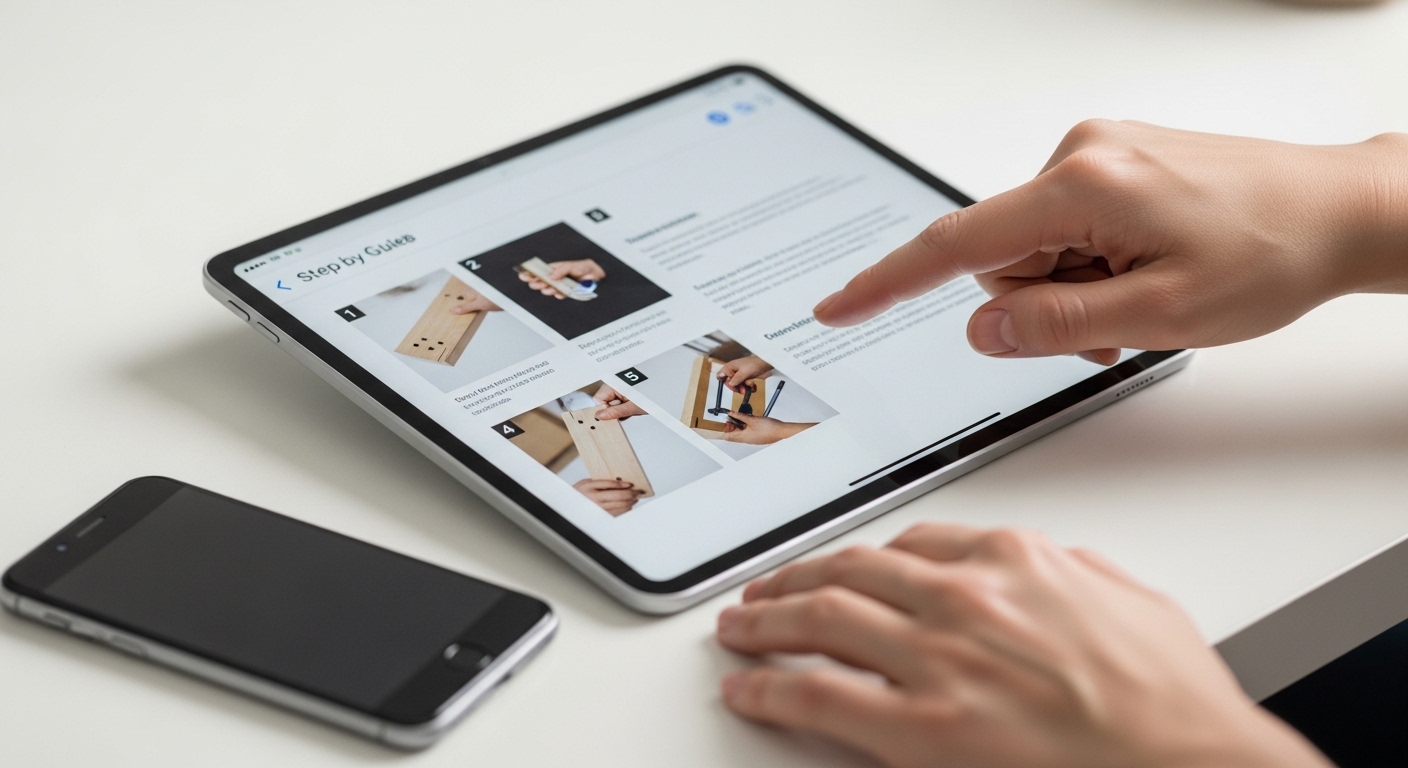
For iPhone (iCloud Method)
Begin by obtaining the Apple ID and password for the target device. Log into iCloud on a computer to confirm that backup is enabled and running. This single verification step unlocks remote data access.
Sign up for your chosen monitoring service and select the iCloud option during the setup wizard.
Enter the Apple ID credentials when prompted and verify any two-factor authentication code. The dashboard connects within minutes and begins syncing.
Set iCloud backup frequency to “automatic” on the target device. More frequent backups mean more current data appearing on your monitoring dashboard.
For Android (Quick Install Method)
Borrow the phone for about ten minutes in a private moment. Create an account on the monitoring service website beforehand so you only need to download and install the APK on the target device.
Follow on-screen instructions to grant accessibility, location, storage, and notification permissions. These permissions allow the app to spy on cell phone messages, track GPS, and record activity across all installed applications.
Activate stealth mode so the icon disappears completely from the home screen and app drawer.
Restart the phone to confirm the app runs silently. Return the device as normal — monitoring now happens entirely from your remote dashboard.
If you also need to install GPS tracker functionality, most monitoring apps include real-time location as a built-in feature. No separate GPS app is needed.
Following these steps ensures a clean setup that runs reliably without detection on the target device.
How Can You Protect Yourself From Being Monitored?
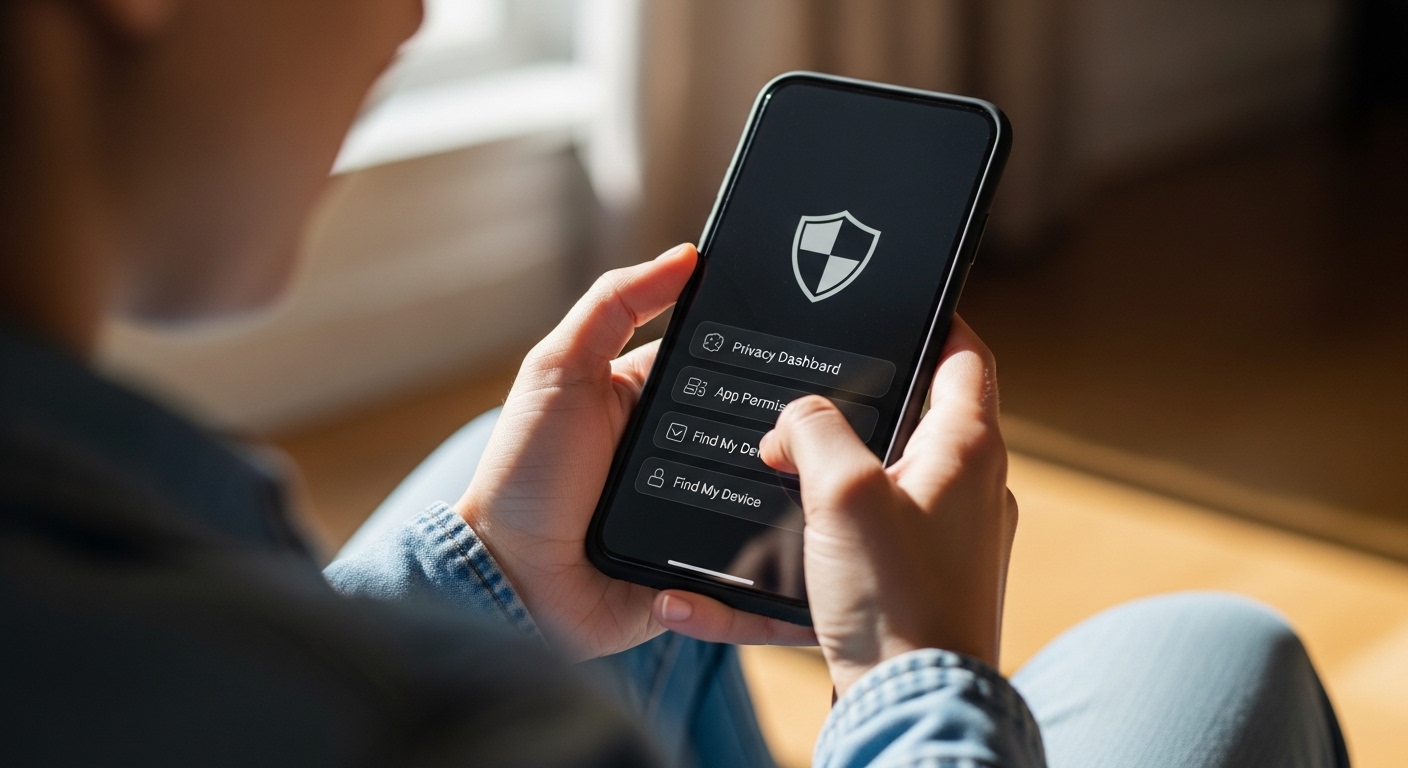
If you suspect someone may spy on cell phone data without your knowledge, review installed apps regularly. Check battery usage for unusual drain that might indicate hidden monitoring software running in the background.
A sudden spike in mobile data usage combined with faster battery drain often signals hidden spy software. Check Settings, then Battery, then look for unnamed or system-disguised processes.
“If you suspect monitoring, the first thing to check is your iCloud or Google account sessions. Log into your account on a computer and review which devices have access. Revoking unknown sessions immediately cuts off cloud-based surveillance.”
Dr. Sarah Chen, Digital Forensics Expert, SANS Institute
Android users can inspect app permissions in settings and revoke anything suspicious.
Look for apps with accessibility service access that you do not recognize. You can also find hidden apps using specialized detection tools or manual methods.
Change passwords frequently and enable two-factor authentication on every account. Disable iCloud backup or location sharing if you suspect monitoring. Use a unique password manager rather than reusing credentials across services.
A factory reset removes most tracking apps but will not affect cloud-synced monitoring.
Update all passwords for Apple ID, Google, email, and social media accounts afterward for complete protection. Keep your operating system updated to patch known vulnerabilities.
Taking these precautions significantly reduces your risk of being monitored without your knowledge.
Final Thoughts
Remote phone monitoring works effectively when you choose the right tool for the platform and follow setup steps carefully.
Hoverwatch remains the strongest pick to spy on cell phone activity on Android, while mSpy covers iPhone needs through iCloud without any installation.
Use these solutions responsibly on devices you own or manage. They provide genuine peace of mind for parents monitoring family phones and accountability for employers overseeing company devices.
Start with a free trial, verify the features match your needs, and always stay within legal boundaries.
Frequently Asked Questions
Yes, but only for iPhones — and you still need their Apple ID password. Apps like mSpy pull data from iCloud backups without installing anything on the actual device. For Android, you need about ten minutes of physical access for the initial setup, then everything runs remotely. There is no legitimate way to fully spy on a cell phone without either credentials or brief hands-on time.
Legally yes, when the device belongs to the company and your employee handbook states that monitoring occurs on company-owned equipment. Hoverwatch works great here with its invisible mode — employees see nothing on the phone. Just make sure you document consent or ownership in writing to stay fully compliant with labor laws.
Only if you own the phone or have clear legal permission in your jurisdiction. Most states treat unauthorized phone monitoring as a misdemeanor or felony under wiretapping statutes. Honestly, most relationship experts recommend direct conversation before going the spy route. If you do proceed, consult a local attorney first because penalties vary wildly by state.
Almost none. The vast majority are scams designed to collect your payment info or serve malware. Limited iCloud-based options exist but still require valid Apple ID credentials, not just a phone number. If any site promises full access by entering a number and paying $30, close the tab immediately. Stick with established names that offer free trials and transparent feature lists.
A factory reset removes installed apps and hidden spy software in most cases, so yes — it works for app-based spyware. However, if someone is monitoring through your iCloud or Google account credentials, the reset changes nothing because they access data through the cloud. Change every password afterward, enable two-factor authentication, and check which devices are logged into your accounts.

I did not find instructions. Write how to download the program to my children’s phone.
I tried all what you mentioned on the website to monitor a cell phone without having access to it ,and it didn’t work,is it possible to help me out ?!