Is It Possible To Casually Track A Phone?
Learning how to track someone’s phone starts with understanding which tools actually work and which methods stay within legal boundaries.
This guide covers legal tracking methods for both Android and iPhone — from free built-in tools to dedicated monitoring apps.
Important: Tracking someone’s phone without consent is illegal in most jurisdictions. This article is for educational purposes only.
What Are the Risks of Tracking Someone’s Phone?
Before exploring methods, understand that covert phone tracking without consent is illegal worldwide. Penalties include criminal charges for stalking, unauthorized computer access, wiretapping violations, and invasion of privacy.
Warning: Even attempting to install tracking software can result in felony charges, regardless of whether the installation succeeded.
The legal landscape has tightened considerably. In the US, the Computer Fraud and Abuse Act, federal wiretapping statutes, and state-level stalking laws all apply. The EU’s GDPR adds additional penalties for unauthorized data collection. Many jurisdictions now have specific anti-stalkerware legislation.
Can You Install Tracking Software Directly on a Phone?

The simplest approach involves obtaining physical access to the target device and manually installing monitoring software. This requires 5–10 minutes with the unlocked phone.
“The days of casually installing spyware on someone’s phone are over. Modern operating systems require explicit permission for every sensitive action. Most amateur tracking attempts fail within hours because the device owner gets a notification they didn’t expect.”
Alex Rivera, CEH, OSCP
If the device owner has hidden applications, they likely check that section periodically and will discover your newly installed software.
On iPhone, installation typically requires jailbreaking the device, which leaves obvious traces and voids warranties. iOS does not allow apps to hide themselves or run with extensive background permissions without explicit user authorization.
Android devices offer more flexibility for sideloading apps from unknown sources. However, modern versions include enhanced permission controls that alert users when apps access location, camera, microphone, or other sensitive data in the background.
Do Professional Phone Tracking Services Actually Work?
Some companies claim to install monitoring software remotely without physical access. They send the target a malicious link disguised as a legitimate message from social media, messaging apps, or email services.
In 2026, smartphone security has advanced to the point where successful remote malware delivery is increasingly rare for consumer-grade tools.
Additionally, if the target discovers tracking software, payment records and communications connect you directly to the crime. Many so-called professional services are outright scams that take payment without delivering anything, while also harvesting your personal information.
| Method | Physical Access | Success Rate | Detection Risk | Legal Risk |
|---|---|---|---|---|
| Direct installation | Yes (5–10 min) | Medium | High | Very High |
| Professional service | No | Low | Medium | Extreme |
| Self-installed malware | No | Very Low | Very High | Extreme |
| Legal tracking (consent) | No | High | N/A | None |
The only method with both high success rate and zero legal risk is consensual tracking — where both parties agree to share location.
How Do Modern Phones Detect Tracking Attempts?
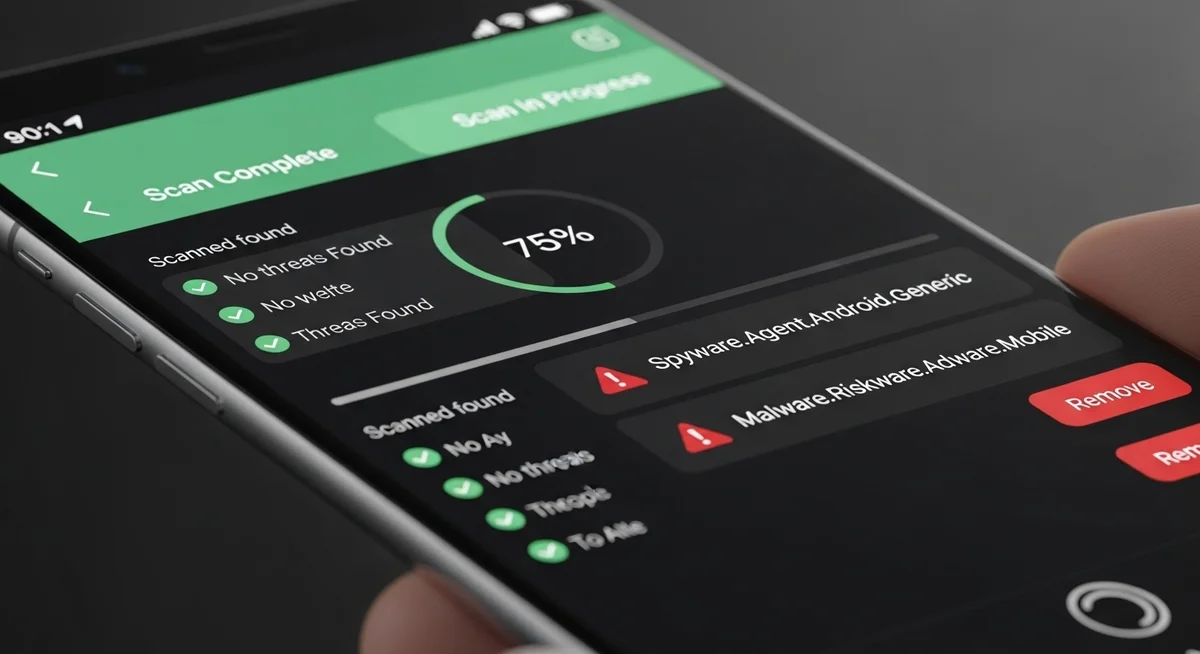
Smartphone users have more tools than ever to detect unauthorized tracking. Both iOS and Android now display indicators when apps access location, camera, or microphone.
Did you know: According to Kaspersky, 85% of consumer-grade spyware is detected within 30 days of installation by security software or behavioral changes.
Third-party security apps have become increasingly sophisticated. Tools like Malwarebytes, Certo AntiSpy, and Norton Mobile Security specifically scan for stalkerware and monitoring software. Even without these tools, users notice symptoms like unexplained battery drain, device heating, slower performance, and unexpected data usage.
What Legal Consequences Can You Face?

The legal ramifications of covert phone tracking are severe and wide-ranging.
“I’ve seen cases where people served prison time for installing a $30 tracking app on a partner’s phone. Courts don’t distinguish between sophisticated hacking and amateur stalkerware.”
Dr. Sarah Chen, Digital Forensics Expert, SANS Institute
The temporary information gained through illegal tracking is never worth the legal consequences and relationship destruction involved.
What Are the Legal Ways to Track a Phone?

If you have genuine concerns motivating the desire to track someone’s phone, legal alternatives exist that won’t put you at risk.
Tip: For parental monitoring of minor children, apps like Hoverwatch are legal when installed on devices you own.
The key difference between legal monitoring and illegal tracking is consent and transparency.
For parents specifically, monitoring apps like Hoverwatch provide full visibility into a child’s phone activity including GPS location, call logs, text messages, and social media — all legally when installed on devices you own.
Stealth mode keeps the app invisible so it doesn’t disrupt the child’s experience.
How Can You Protect Your Own Phone From Tracking?
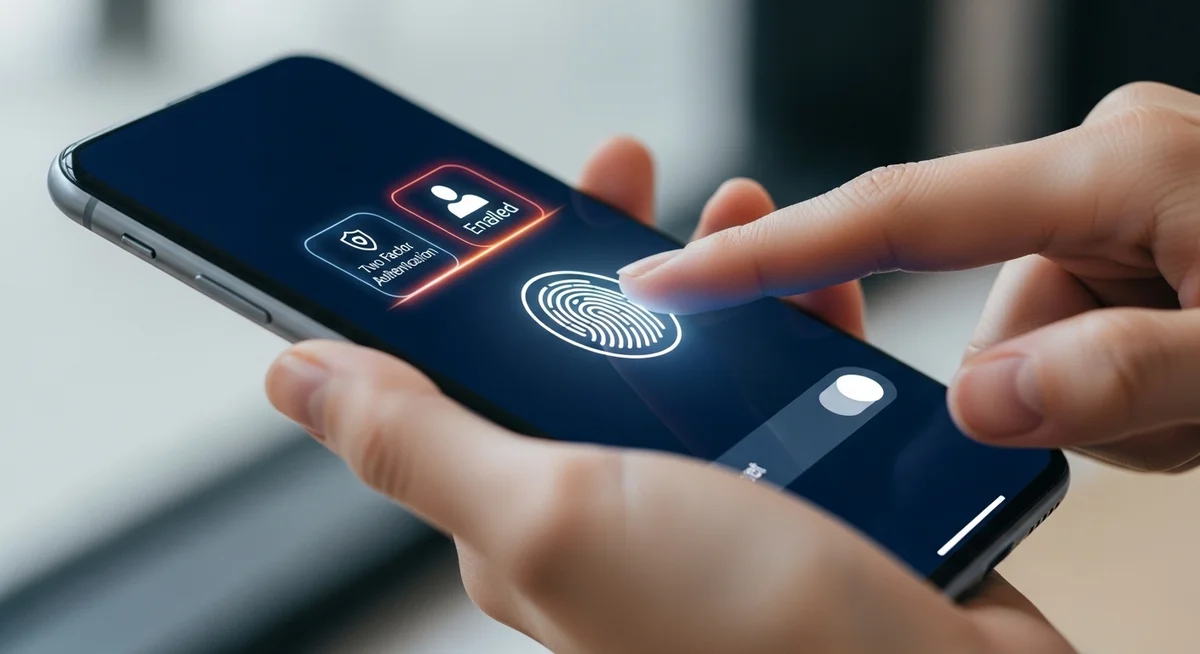
If you’re concerned someone might be trying to track your phone, start with these fundamental protections.
Start here: Enable Find My (iPhone) or Find My Device (Android), set a strong passcode, and turn on two-factor authentication.
If you suspect your phone is already compromised, run a security scan with Malwarebytes or Certo AntiSpy immediately. Check for unfamiliar apps, review device administrator permissions, and consider a factory reset as the most thorough removal method. Change all passwords from a separate, trusted device.
Final Thoughts
While it is technically possible to track someone’s phone, all unauthorized methods are illegal and increasingly difficult as mobile security advances. The risks — criminal prosecution, civil liability, relationship destruction — far outweigh any information gained.
Technology should enhance our lives, not serve as a tool for control. Address concerns through honest communication, professional counseling, or legal channels rather than surveillance.
If you need to monitor a child’s device for safety, use legitimate tools like Hoverwatch with transparency. For everything else, respect privacy boundaries and work within the law.
Frequently Asked Questions
Yes, but it's much harder than it used to be. Modern phones show indicators when apps access your location, camera, or microphone. Battery drain and data spikes are telltale signs. Most consumer spyware gets detected within 30 days.
In most jurisdictions, parents can legally monitor devices they own that their minor children use. Apps like Hoverwatch are designed for this. The key: you own the device, the child is a minor, and you're acting in their interest.
Criminal charges can include stalking, unauthorized computer access, and wiretapping violations. Penalties range from fines to prison. In custody cases, it damages your position severely. The victim can also sue for civil damages.
No. Every single one is a scam. They steal payment information or harvest personal data. Real tracking requires device credentials, physical access, or law enforcement authority. No website can track a phone using just a number.
Check for unusual battery drain, phone warm during idle, unexpected data usage, and apps you don't recognize. Run Malwarebytes or Certo AntiSpy. On iPhone, check VPN & Device Management for unknown profiles. On Android, check device administrator apps.