Is it Legal to Track a Mobile Phone?

Phone tracking is legal in specific situations — parents monitoring minors, employers on company devices, and individuals tracking their own phones — but unauthorized tracking carries serious criminal penalties.
Millions of people use tracking apps daily for safety and business purposes. But crossing the legal line can turn a reasonable precaution into a criminal offense surprisingly fast.
Tracking someone’s phone without their knowledge or consent may violate the Electronic Communications Privacy Act (ECPA) and state wiretapping laws. Always verify whether is phone.
What Makes Phone Tracking Legal or Illegal?

The core principle behind whether is phone tracking legal centers on ownership and consent. Tracking your own phone is almost always lawful because you control the device and its data.
Tracking someone else’s phone without consent is illegal in most places. Courts examine whether the tracker had a legitimate reason and proper authorization before allowing it.
A Norton LifeLock survey found that 1 in 10 adults admitted to using a tracking app on a partner or ex without consent — a.
Practical examples help clarify where the line falls. A business owner locating a lost company tablet stays within legal bounds.
Slipping a tracking app onto a colleague’s personal phone without telling them crosses into unauthorized access territory.
Always check your local laws before installing any tracking software. The question of whether is phone tracking legal varies significantly by state and country.
Think of phone tracking legality as a simple test. Do you own the device or have written consent?
If yes, you are likely in the clear. If no, proceed with extreme caution and legal advice.
“The most effective security measures are often the simplest: strong unique passwords, two-factor authentication, and keeping your software updated. Most breaches exploit basic oversights, not sophisticated vulnerabilities.”
Alex Rivera, CEH, OSCP
Is Phone Tracking Legal for Parents Monitoring Children?

Yes, parents can generally track their minor children’s phones as part of their legal duty to protect and supervise them.
Most states recognize this because minors lack full privacy rights against their guardians.
Transparency remains the best practice even when tracking is clearly lawful. Discussing the monitoring tool openly builds trust and avoids unnecessary family conflict.
A parent using location sharing to confirm a 15-year-old arrived safely at practice is perfectly legal and smart. The same parent tracking a 19-year-old college student’s every move without permission risks lawsuits.
Tracking an adult child’s phone without their consent violates federal privacy laws — even if you pay for the phone plan. Age 18 is the hard cutoff in most jurisdictions.
The practical advice: discuss the tracking tool openly with your child and document consent where possible. This protects both the parent and the family relationship.
Can Employers Legally Track Company Phones?

Yes, employers can legally track company-owned phones with proper disclosure and a legitimate business purpose. Written policies and employee acknowledgment strengthen the practice under federal guidelines.
Bring-your-own-device policies complicate the picture significantly. Employers must obtain explicit written consent before installing tracking software on personal phones used for work.
Include a clear phone tracking and monitoring clause in your employee handbook. Written acknowledgment from each employee makes the practice legally bulletproof.
Consider a delivery driver using a company-issued smartphone. The employer tracks routes to optimize schedules and verify deliveries — fully legal with a clear policy in place.
Contrast that with secretly monitoring an employee’s personal phone during off-hours. Courts routinely rule against such overreach. Consent and ownership decide the outcome every time.
According to the American Management Association, over 80% of major companies monitor employee digital activity. Those with written policies face virtually zero successful lawsuits.
Is Phone Tracking Legal Between Spouses?

This remains the most complex area because marriage does not automatically waive privacy rights. Joint ownership of a phone or plan does not equal consent for tracking.
Most courts treat secret monitoring between spouses as illegal unless both parties agree in writing. The question of whether is phone tracking legal gets especially thorny during separation.

Divorce situations heighten the risks dramatically. Evidence gathered through unauthorized tracking often gets thrown out in court and triggers counter-claims of stalking.

The wiser path involves open communication or legal channels rather than covert tools. Courts reward transparency and penalize digital surveillance between partners.
One spouse installs a hidden app to check on the other’s late nights during separation proceedings. Even with shared finances, this violates federal privacy statutes and damages credibility in family court.
Some states classify unauthorized spousal phone tracking as domestic abuse. This can trigger protective orders, criminal charges, and loss of custody leverage.
What About Key Laws That Govern Phone Tracking?

Understanding the legal framework helps answer whether is phone tracking legal in your specific case. Federal laws set the baseline, while state and international rules add complexity.
Federal Laws (USA)
The Electronic Communications Privacy Act (ECPA) protects against unauthorized interception of electronic communications, including location data. It carves out exceptions for business use and consent.
The Computer Fraud and Abuse Act (CFAA) treats phones as protected computers and prohibits unauthorized entry. Violations carry fines, jail time, and civil damages.
ECPA violations can result in fines up to $250,000 and prison sentences up to 5 years for willful interception of electronic communications without authorization.
State Laws
One-party consent states allow monitoring with approval from just one participant. Two-party consent states demand agreement from everyone involved. This distinction matters most for call logs or message interception.
Notable differences appear in states like California and Florida, which impose stricter privacy standards. Many states also enforce anti-stalking statutes that treat repeated unauthorized location tracking as harassment.
International (EU, UK)
The EU’s GDPR classifies location data as personal information requiring explicit consent. Companies and individuals must minimize data collection and provide clear privacy notices.
UK regulations mirror GDPR through the Data Protection Act. Both frameworks emphasize accountability, making stealth monitoring nearly impossible without facing legal consequences.
| Scenario | Legal? | Conditions | Relevant Law |
|---|---|---|---|
| Tracking your own phone | Yes | Full ownership or control | Property rights, ECPA exceptions |
| Parent tracking minor child | Yes | Parental responsibility, best with transparency | State family laws, ECPA |
| Employer tracking company phone | Yes | Written policy and disclosure | ECPA business exception, CFAA |
| Spouse tracking partner without consent | No | Marriage does not imply consent | ECPA, CFAA, state stalking laws |
| Tracking adult child on family plan | No | Adult privacy rights apply | ECPA, state privacy statutes |
Use this comparison to identify the option that matches your requirements.
What About Legal Phone Tracking Tools and Apps?
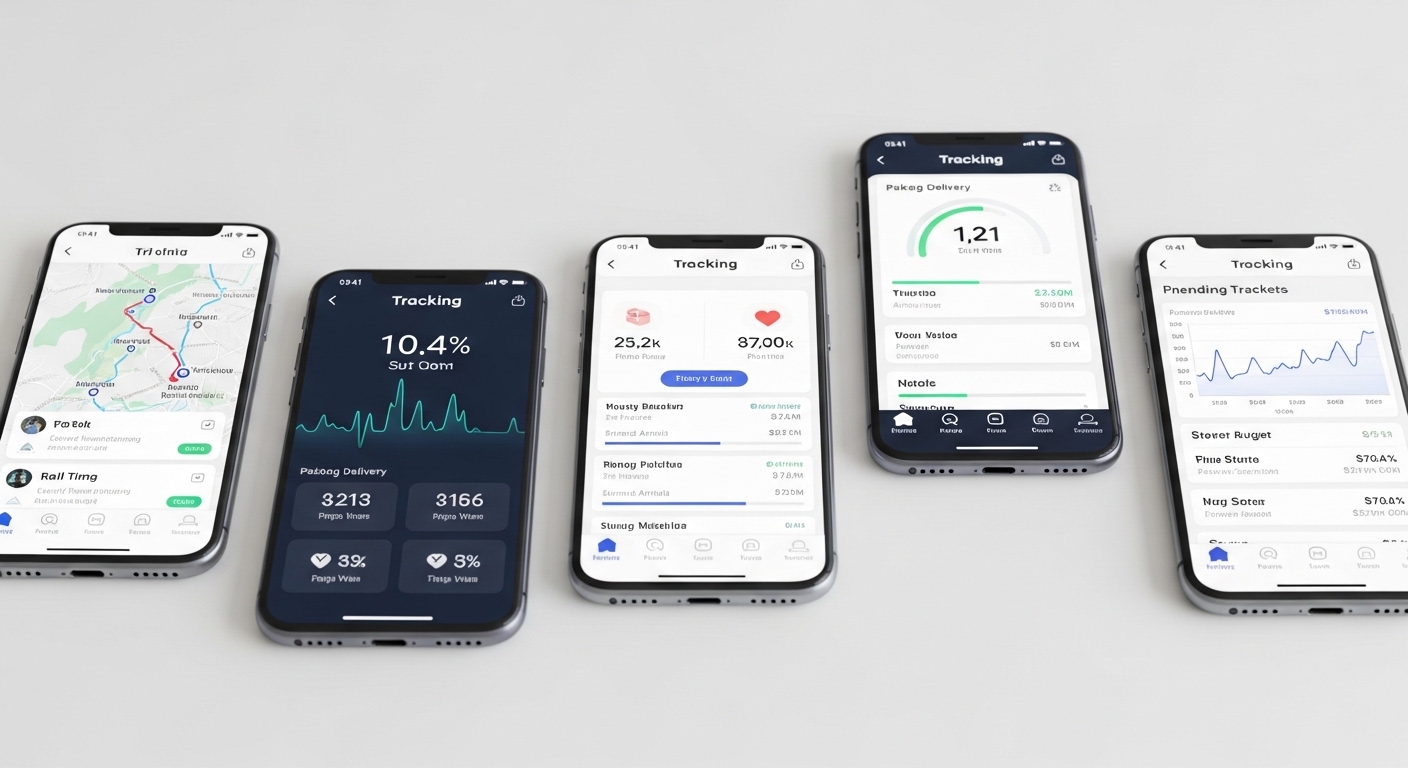
Several tools like Hoverwatch and Life360 help answer the practical side by building consent checks into their design.
For a detailed breakdown of Hoverwatch features and pricing, read our full Hoverwatch review. It covers setup, compatibility, and real user feedback.
Each tool reinforces the core rule — phone tracking is legal when you follow ownership and consent guidelines. Check our guide on how to install GPS tracker on Android and iPhone.
What Happens If You Track Someone Illegally?
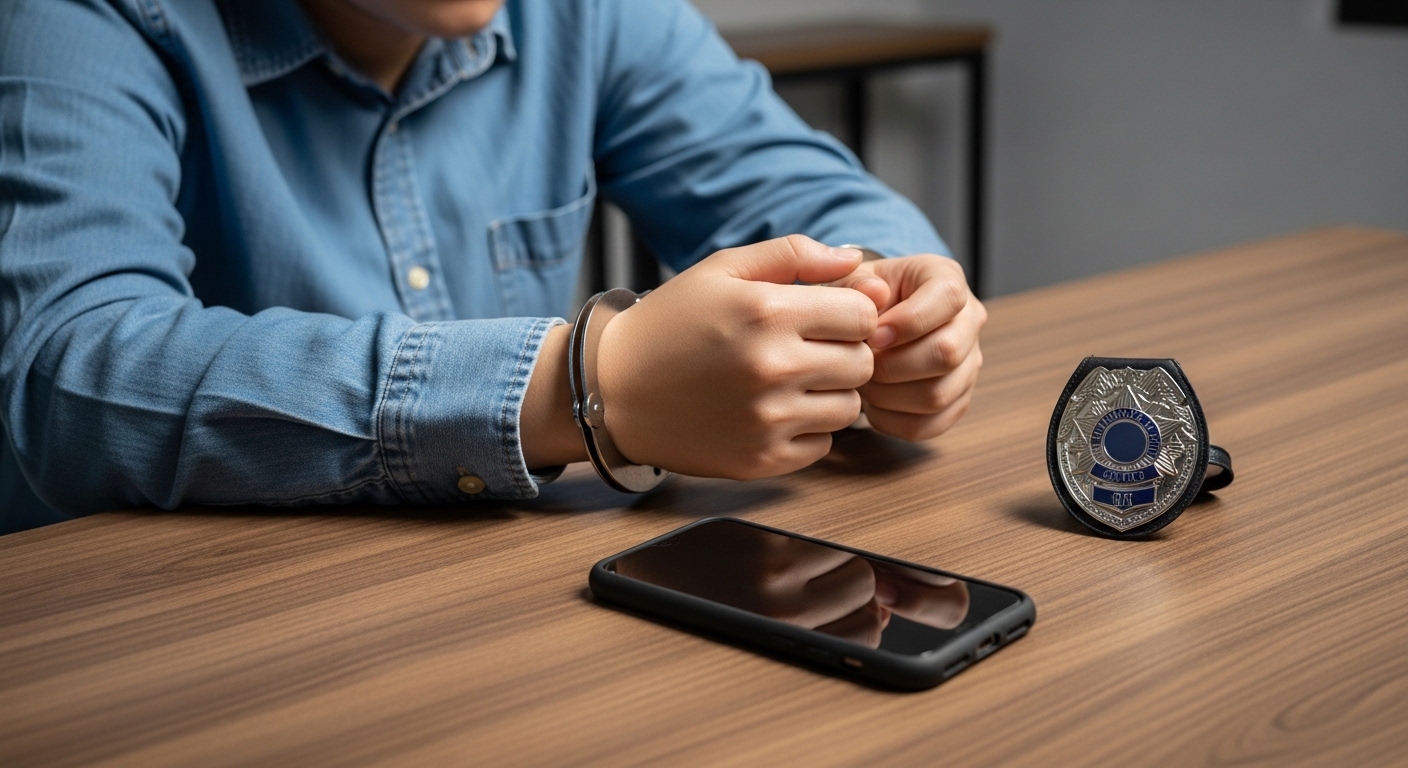
Criminal penalties for illegal phone tracking include fines up to tens of thousands of dollars and prison time under ECPA or CFAA violations.
Civil lawsuits often follow with significant damages awarded.
Evidence gathered illegally rarely holds up in divorce or custody cases. Judges routinely exclude it, sometimes penalizing the tracker instead of the tracked party.

Criminal consequences: Federal charges carry up to 5 years in prison. State charges add fines, probation, and a permanent criminal record that follows you.

Civil consequences: Victims routinely win $10,000-$100,000 in damages for emotional distress and privacy invasion. Legal fees compound the financial burden significantly.
One common outcome involves workplace termination when employers discover improper monitoring by managers. The practical lesson: short-term gains from illegal tracking lead to long-term legal headaches.
Understanding when phone tracking is useful — and when it crosses the line — protects you from costly mistakes. Always prioritize consent over convenience.
“Digital security is a shared responsibility. Parents monitoring their children, employers securing company devices, and individuals protecting their own accounts all contribute to a safer ecosystem.”
Dr. Sarah Chen, Digital Forensics Expert, SANS Institute
Final Thoughts
Responsible phone tracking starts with ownership or clear consent and ends with transparency. Whether you are a parent ensuring safety or an employer protecting assets, the legal path protects everyone involved.
Consult a local attorney for advice tailored to your situation. Technology evolves quickly, but the core principles around whether is phone tracking legal stay constant: own the device, get consent, stay transparent.
Frequently Asked Questions
Nope, paying the bill doesn't give you tracking rights once they turn 18. Full privacy protections kick in at that age regardless of who's on the account. Secretly monitoring their device violates federal law and can get you sued. The safe move is asking them to enable a shared-location app like Life360 voluntarily — that way you both know what's happening and nobody's breaking any rules about whether is phone tracking legal.
Absolutely not in most cases. Even with a BYOD policy, your employer needs your written consent before installing tracking software on your personal device. This violates both ECPA and CFAA if done without permission. Document everything, talk to HR, and if they brush it off, an employment lawyer can help you file a formal complaint with state authorities.
Act fast. Remove the app immediately, change every password you have, and run a full security scan. Screenshot everything with timestamps before you delete anything — you'll need that evidence. File a police report if you suspect stalking or harassment, because unauthorized phone tracking is a criminal offense. Consider getting a professional to sweep your device for anything else hidden.
Only if it was gathered legally with proper consent or a court order. Illegally obtained tracking data almost always gets thrown out, and here's the kicker — it can actually hurt your case. Judges see secret tracking as a privacy violation that tanks your credibility. Stick to openly shared location data or records obtained through proper legal channels if you want evidence that actually helps.
No, and suspicion alone never justifies unauthorized tracking no matter how strong your gut feeling is. Without ownership or consent, tracking their phone violates federal and state privacy laws and can qualify as stalking. The better route is an honest conversation or professional mediation. Digital surveillance without consent almost always backfires — legally, emotionally, and in court if it gets that far.