How to Know If Someone Is Spying on Your Phone [2026 Guide]
![How to Know If Someone Is Spying on Your Phone [2026 Guide]](https://www.hackerleague.org/wp-content/uploads/2019/05/104_featured_1-1.jpg)
This guide covers everything you need to know about this topic with practical steps and expert advice.
Strange things happening on your phone — sudden battery drops, mystery data spikes, apps you never installed — often mean someone planted monitoring software without your knowledge.
Figuring out how to know if someone is spying on my phone starts with recognizing these warning signs.
The real challenge is not just spotting spyware but identifying who put it there. Whether it is a jealous partner, an overprotective parent, or a cybercriminal, each leaves different digital fingerprints you can trace.
Unauthorized phone surveillance violates federal wiretapping laws including the Electronic Communications Privacy Act (18 U.S.C. 2511). Installing monitoring software on someone’s device without consent can.
What Are the Top Signs Someone Is Spying on Your Phone?
Rapid battery drain and overheating top the list of red flags. Spyware runs constantly in the background, forcing your processor to work harder even when the screen is off.
A 2024 Norton study found that 67% of spyware-infected phones showed battery life drops exceeding 40% within the first week of infection.
Data usage spikes without new apps or streaming point to surveillance tools uploading your activity. Check your carrier stats for unexplained megabytes sent while you sleep.
This is one of the clearest ways how to know if someone is spying on my phone.
Strange noises during calls or the screen lighting up randomly are classic symptoms. You might hear faint clicks or echoes that were never there before.
Compare your monthly data usage to the previous three months. A spike above 20% with no behavior change warrants a full spyware scan.
“The most effective security measures are often the simplest: strong unique passwords, two-factor authentication, and keeping your software updated. Most breaches exploit basic oversights, not sophisticated vulnerabilities.”
Alex Rivera, CEH, OSCP
Who Might Be Spying on Your Phone?
People close to you usually have both motive and opportunity to install monitoring software. Physical access or shared accounts make installation simple.
Understanding how to know if someone is spying on my phone means identifying the who first.
If you suspect a current or former partner installed spyware, do not confront them before securing your device and documenting evidence for potential legal action.
The FTC reported a 78% increase in stalkerware complaints between 2021 and 2023, with most victims unaware of the software for over three months.
How Do You Check for Spyware on Android?
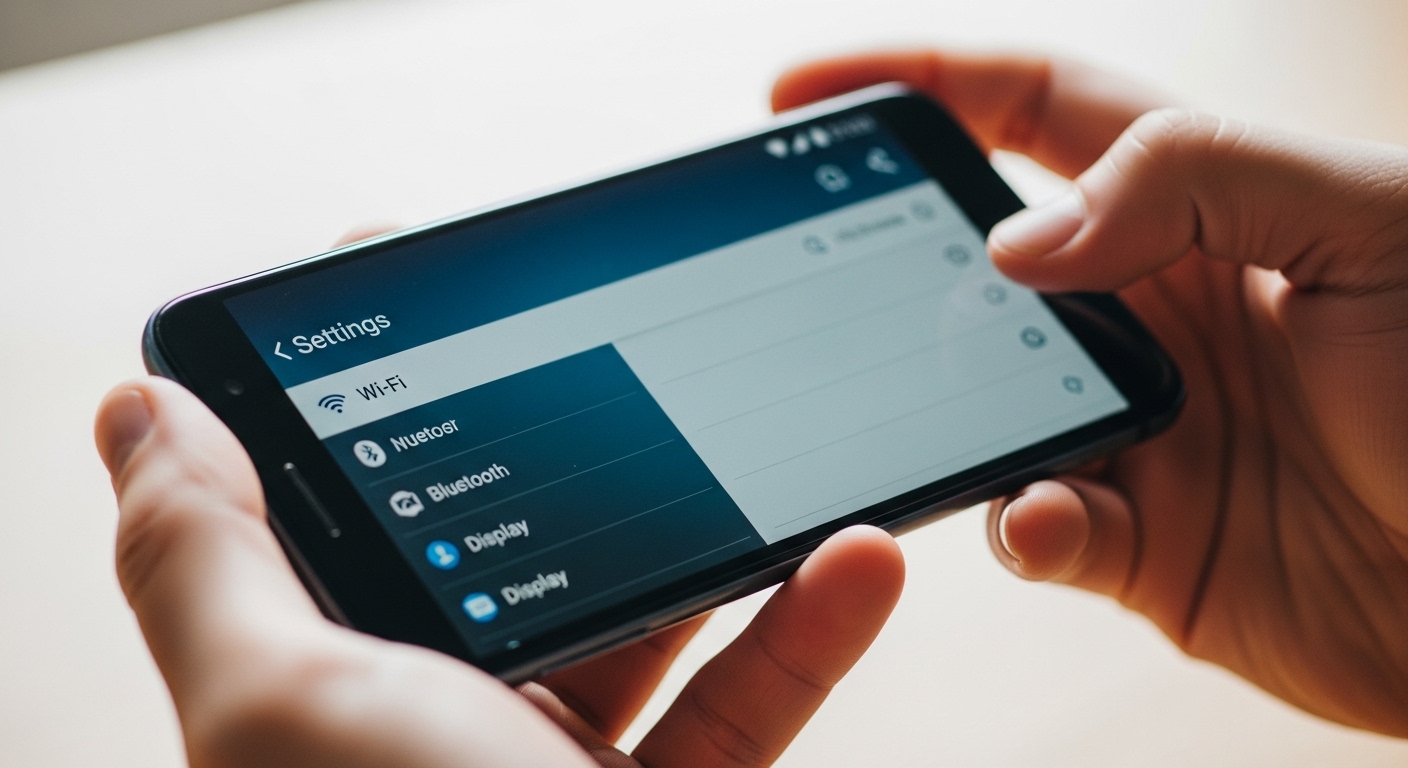
Android’s open design makes manual checks straightforward but requires attention to detail. These steps show exactly how to know if someone is spying on my phone on Google’s platform.
Check Installed Apps and System Apps
Open Settings, tap Apps, then tap the three-dot menu and select Show system apps. Scroll for anything with vague names like “System Service” or “Update Manager” that you do not remember installing.
Tap each suspicious entry and check permissions for microphone, camera, and location access. Note the install date and compare it to times you left your phone unattended.
You can also find hidden apps using specialized detection methods.
Check Device Admin and Accessibility
Go to Settings > Security > Device admin apps. Any unknown app with admin rights can control your phone remotely. Disable anything unfamiliar immediately.
Visit Accessibility services in the same menu. Spyware uses these services to read screen content and log keystrokes. Turn off services you do not recognize.
Check Battery and Data Usage
Head to Settings then Battery and sort apps by usage. Look for background processes eating power when you are not using the phone.
Switch to Settings then Data usage and review mobile and Wi-Fi traffic. Spyware constantly phones home with your information.
High usage from system-level processes is a major clue for how to know if someone is spying on my phone.
Use Anti-Spyware Scanner
Download Malwarebytes, Certo, or Lookout from the official Play Store. Run a full scan and follow removal prompts for anything flagged as spyware or adware.
Run your anti-spyware scanner in Safe Mode for best results — this prevents spyware from actively hiding its processes during the scan.
How Do You Check for Spyware on iPhone?
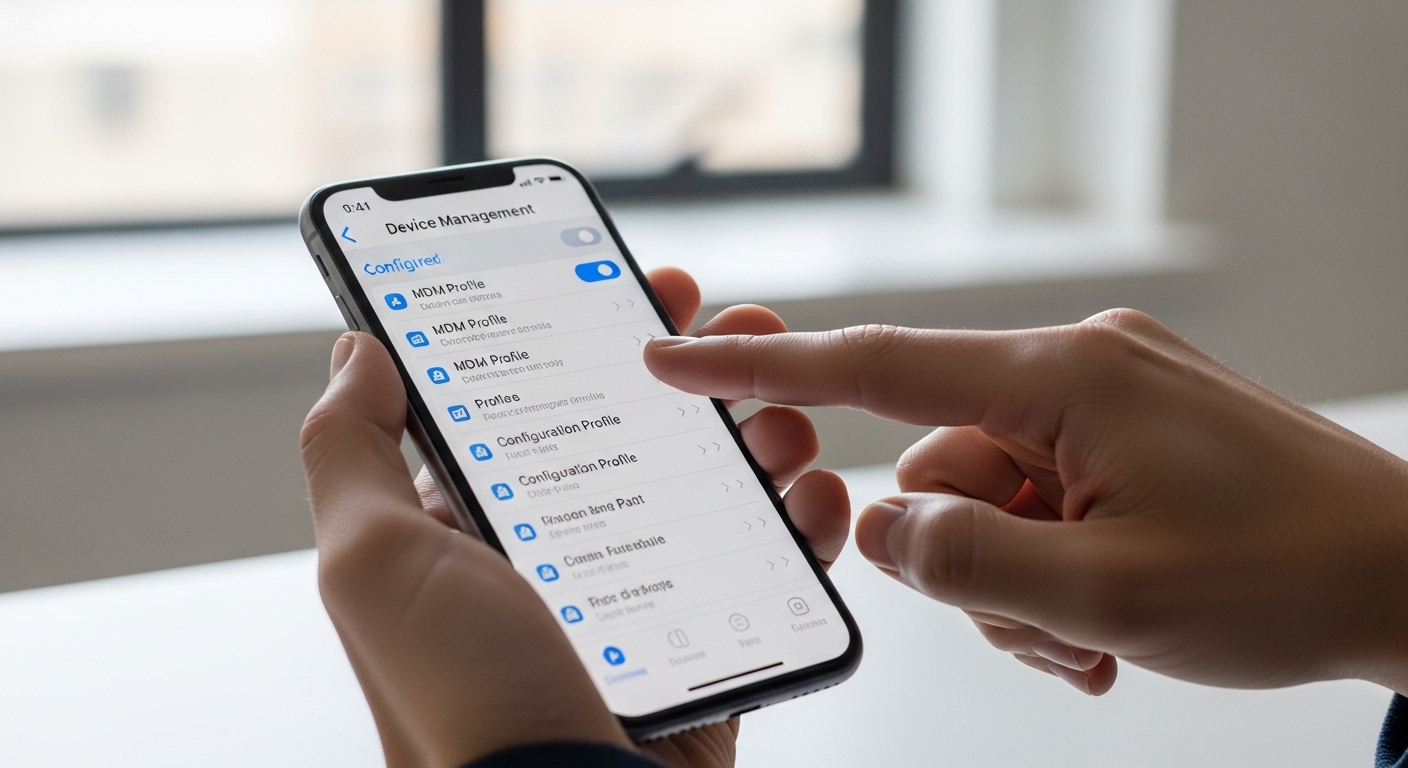
iOS is more locked down, so figuring out how to know if someone is spying on my phone on Apple devices means checking configurations rather than apps.
Apple’s design limits traditional spyware but does not eliminate all monitoring risks.
Check for Unknown Profiles
Open Settings then General and tap VPN & Device Management. Any configuration profile you did not install yourself can enable remote control. Delete unknown profiles right away.
Profiles often come from phishing or temporary access. After removal, restart the phone and recheck the menu.
Check iCloud Account
 Review Devices
Go to Settings, tap your name at the top, and view Devices. Look for any phone or tablet you do not recognize signed into your Apple ID. Remove unfamiliar devices immediately.
 Review Sign-in Locations
Check recent sign-in locations under Account Settings on the web. Unexpected logins from other cities reveal compromised credentials. Change your Apple ID password afterward.
Jailbreak Detection
Search for Cydia, Sileo, or any app store you never installed. Their presence means the phone was jailbroken to allow deeper spyware. Restore from a clean backup if you find them.
Even without jailbreak, check for unusual tweaks in Settings. A fully stock iPhone is much harder to bug remotely. If you want to detect phone tracking, these iOS checks are your starting point.
How Do You Remove Spyware From Your Phone?
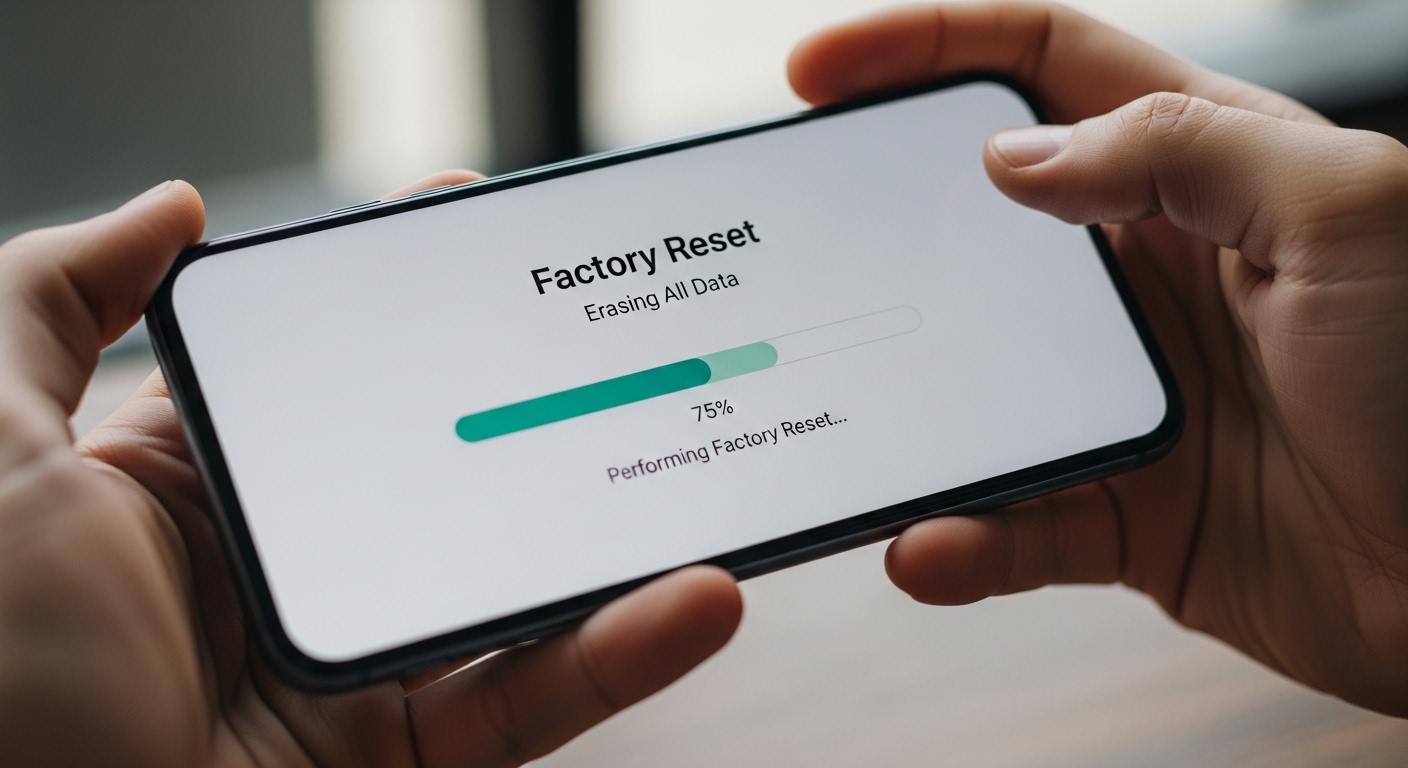
Once you figure out how to know if someone is spying on my phone, removal begins with the basics and escalates only if needed. Always back up important photos and contacts first.
| Step | Action | Platform |
|---|---|---|
| 1 | Update your operating system and all apps to patch known vulnerabilities | Both |
| 2 | Delete suspicious apps and revoke unnecessary permissions in Settings | Both |
| 3 | Change every password from a different device and enable two-factor authentication | Both |
| 4 | Factory reset: Settings > System > Reset options (Android) or Settings > General > Transfer or Reset iPhone (iOS) | Both |
| 5 | Restore only from a backup made before the suspected spying began | Both |
If the problem persists after updates and deletions, perform the factory reset described in step 4. This wipes everything cleanly and eliminates most monitoring software.
Avoid restoring from iCloud or Google Drive if you believe those accounts were also compromised — reinstall essential apps manually instead.
Anyone asking how to know if someone is spying on my phone should treat a clean reset as the nuclear option that works.
How Do You Find Out Who Installed the Spyware?

Physical access is the most common installation method, so review who had your phone recently.
The next step in how to know if someone is spying on my phone is cross-referencing app install dates in Settings with your calendar.
This timeline often points directly to the culprit.
 Google Account Logs
Visit myaccount.google.com and scroll to Security. Check for logins from unfamiliar locations or devices. Suspicious activity logs help identify who accessed your account.
 Apple Account Logs
Visit appleid.apple.com and review recent sign-in activity. Look for sessions from unknown devices or cities. Each unauthorized login narrows down who had access to your credentials.
If evidence suggests a serious threat or illegal stalking, document everything with screenshots and contact law enforcement. Provide logs and timelines rather than accusations. Professionals can subpoena carrier records when needed.
According to the National Network to End Domestic Violence, 85% of domestic violence shelters report working with victims whose abusers used phone surveillance as a control tactic.
How Do You Prevent Future Surveillance?
Prevention beats detection every time when it comes to how to know if someone is spying on my phone. Use a strong alphanumeric passcode plus biometric lock and never share your unlock pattern.
Set a monthly reminder to run the same spyware checks outlined above. Consistent auditing catches new threats before they collect meaningful data.
Install updates the day they appear and avoid clicking links in unsolicited texts or emails. These habits make it far harder for anyone to bug your device again.
[colonizator_col]
For additional protection, read the full Hoverwatch review to understand what monitoring tools look like from the inside.
Discuss boundaries openly with partners, family, and employers so trust replaces the need for secret monitoring.
When everyone agrees on transparency, how to know if someone is spying on my phone becomes a question you rarely need to ask.
[/colonizator_col]
[/colonizator_wrap]
“Digital security is a shared responsibility. Parents monitoring their children, employers securing company devices, and individuals protecting their own accounts all contribute to a safer ecosystem.”
Dr. Sarah Chen, Digital Forensics Expert, SANS Institute
Now you know how to someone spying on phone effectively using the methods described above.
Final Thoughts
Spotting and stopping phone surveillance is easier than most people realize once you know the signs and steps. Stay calm, follow the checks, and act decisively when something looks wrong.
How to know if someone is spying on my phone is a question more people should ask regularly. With these tools and habits, you regain full control over your privacy and peace of mind.
Frequently Asked Questions
Battery drain alone is not proof of spyware. An aging battery, too many background apps, or poor signal can cause the same issue. Combine it with data spikes or unknown apps before jumping to conclusions. Run the battery usage screen and look for any process running heavily when the screen is off — that narrows it down fast.
Remote installation is possible but rare — it usually requires you to click a malicious link or approve a suspicious profile first. Zero-click exploits exist but target high-profile individuals and cost thousands. Most ordinary spying still needs brief physical access, so focus on who had your phone recently.
A proper factory reset removes almost all spyware on both Android and iPhone. The only way it survives is if the attacker also controls your cloud backup and you restore infected data afterward. Always set up as a new device after reset and re-check settings immediately — if paranoia lingers, a second reset from recovery mode gives extra assurance.
Review app install dates in Settings and match them to nights you were together. Look for new accessibility services or device admin rights granted around that time — hidden apps often appear under nondescript system names. Check your Google or Apple account for unrecognized device logins on the same dates too.
Confrontation is safest only if you feel physically secure and have clear evidence in hand. Start calmly with facts rather than accusations — many relationships actually improve once monitoring stops. But if the spying involves stalking, threats, or workplace retaliation, document everything and contact law enforcement or a domestic abuse hotline before saying a word.