How to Determine that You are Being Wiretapped by the Police?

Police phone surveillance operates in the shadows — by design, you are never supposed to know it is happening.
Law enforcement intercepts run at the carrier network level, leaving zero traces on your actual device.
That does not mean you are completely powerless. Understanding how phone surveillance works, what indirect signs to watch for, and what legal protections exist gives you a realistic framework for evaluating your situation.
Wiretapping and electronic surveillance are governed by the Wiretap Act (18 U.S.C. 2510-2522) and the Fourth Amendment. Only court-authorized law enforcement operations with judicial oversight are lawful.
How Does Law Enforcement Phone Surveillance Work?
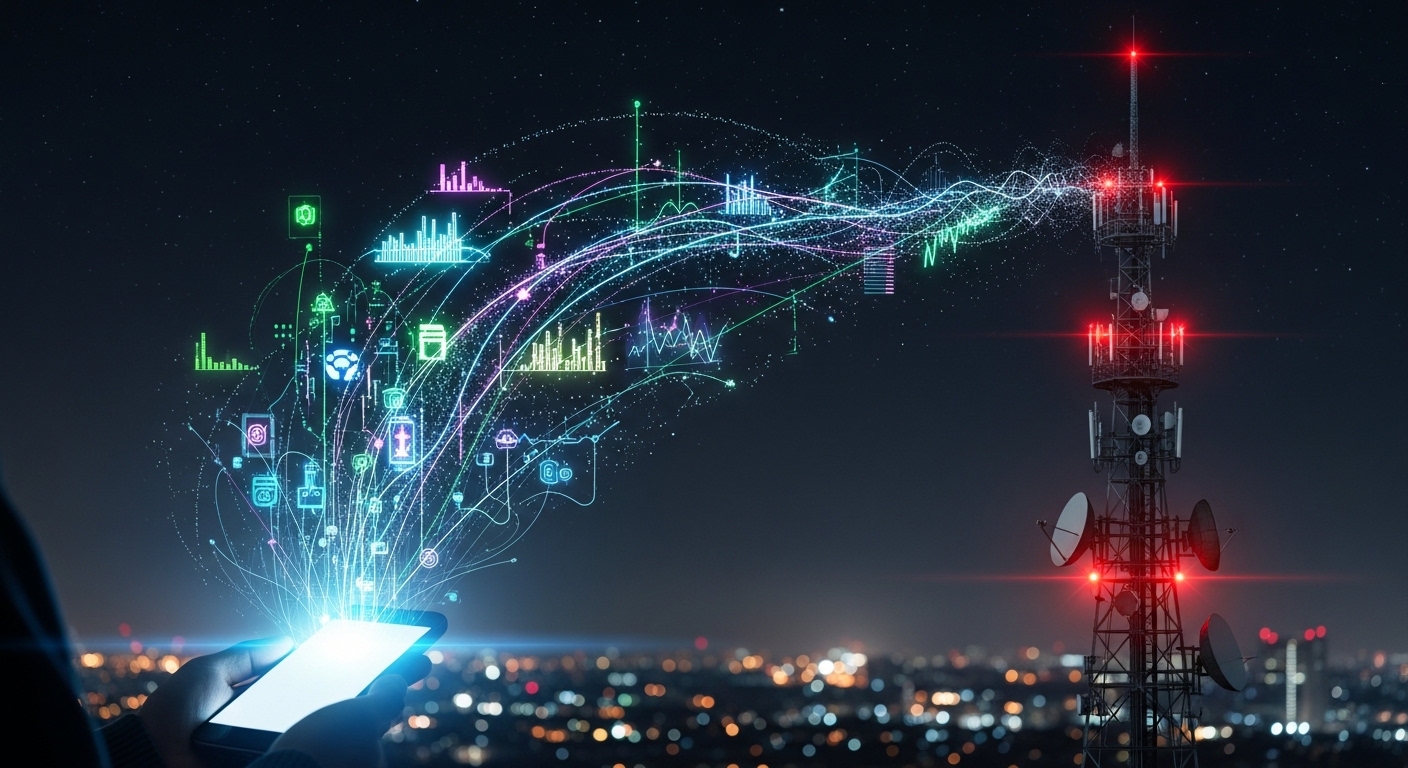
Law enforcement conducts phone surveillance through court-authorized intercepts that compel carriers to provide access at the network level rather than on your device.
The Communications Assistance for Law Enforcement Act requires telecom companies to build lawful intercept capabilities into their systems. This framework ensures carriers comply quickly with court orders without alerting the target.
CALEA compliance means every major U.S. carrier maintains dedicated law enforcement portals that can duplicate traffic streams within hours of receiving a valid court order.
Government surveillance comes in distinct levels. Pen registers capture metadata — numbers dialed, received, and call durations — but not conversation content.
Full content intercepts allow real-time monitoring of audio and messages once probable cause is established.
Pen registers and trap-and-trace devices log who you call, who calls you, and how long each conversation lasts. No voice content is captured at this level.
Full wiretaps capture actual voice audio, text message content, and sometimes data sessions. These require a higher legal standard and stronger probable cause evidence.
Carriers duplicate traffic without interrupting your service. For smartphones, this includes voice calls, text messages, and data sessions. All operations occur upstream at the carrier switch, bypassing any need for physical access to your phone.
These mechanisms apply only after judicial review. Judges evaluate requests based on the seriousness of the investigation. Wiretapping is reserved for serious criminal or national security matters, not routine inquiries.
“The most effective security measures are often the simplest: strong unique passwords, two-factor authentication, and keeping your software updated. Most breaches exploit basic oversights, not sophisticated vulnerabilities.”
Alex Rivera, CEH, OSCP
Can You Actually Detect Police Wiretapping?
Detecting genuine phone surveillance is extremely difficult because lawful intercepts operate entirely at the carrier network level and produce no visible changes on your phone.
Carrier cooperation means the tap happens far upstream from your device. Your phone continues to function normally because the carrier simply copies the relevant data stream.
Standard troubleshooting tools and security apps will not flag these operations.
Focus on patterns over time rather than isolated incidents when evaluating possible phone surveillance. A single dropped call means nothing — repeated anomalies across multiple locations warrant closer attention.
IMSI catchers represent a rarer exception. These portable devices mimic cell towers to intercept signals locally.
Specialized apps can sometimes detect them, but police deploy IMSI catchers sparingly in targeted phone surveillance operations.
Most reported “wiretap” sensations turn out to be unrelated network glitches or device issues. Law enforcement has no incentive to create detectable artifacts since the goal is silent collection.
What About Signs That May Indicate Phone Surveillance?
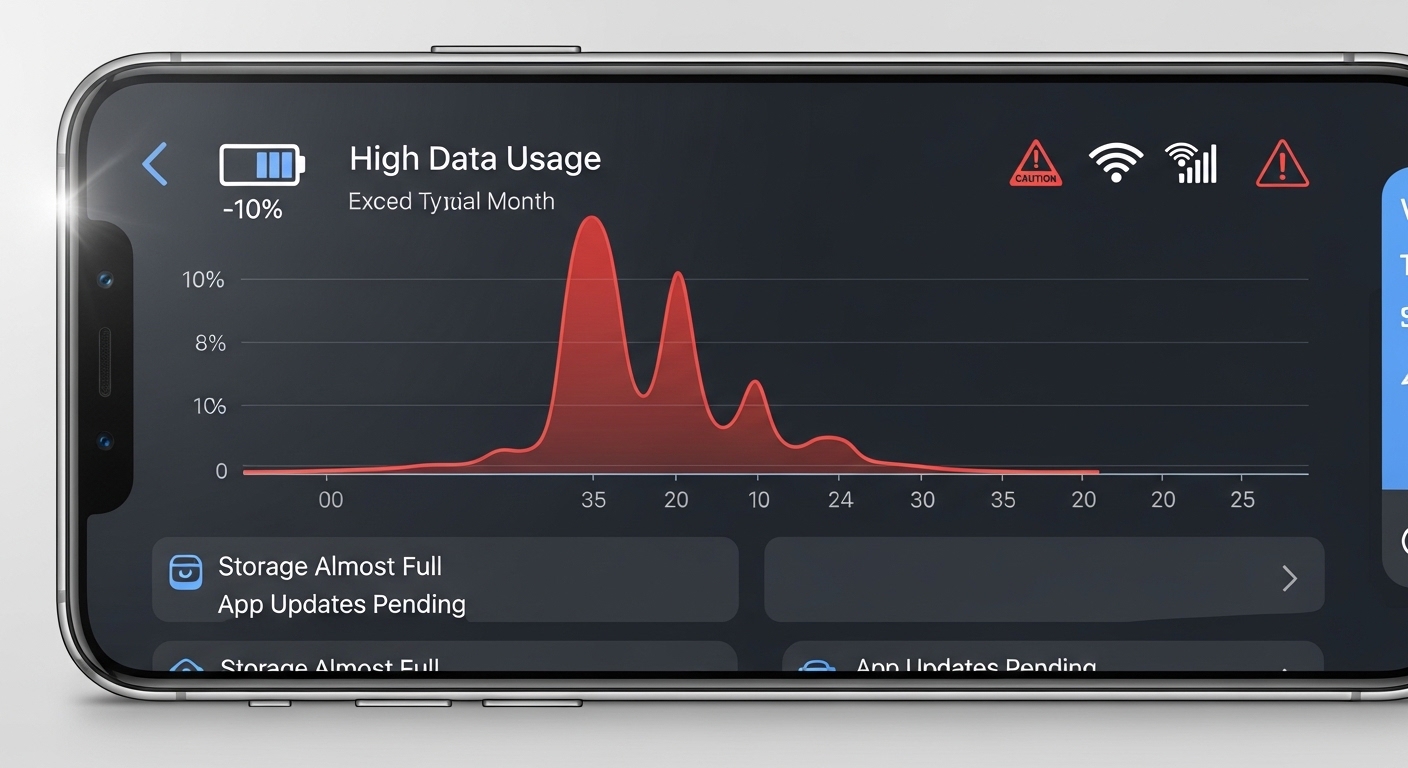
While carrier-level phone surveillance leaves no device traces, certain anomalies are worth monitoring — especially if they occur in combination over time.
According to cybersecurity researchers, over 90% of unexplained battery drain cases trace back to background apps, aging hardware, or system updates — not surveillance activity.
Monitor patterns over time rather than reacting to isolated incidents. Log dates, times, and locations of anomalies for review with a technical expert.
What About IMSI Catchers (Stingrays): Detection Methods?

IMSI catchers, also known as Stingrays, are portable devices that impersonate legitimate cell towers to capture identifying information from nearby phones without the user’s knowledge.
They force phones to connect by broadcasting a stronger signal than real towers. This allows capture of IMSI numbers, location data, and in some cases unencrypted call content.
Law enforcement uses them under court orders for targeted operations.
IMSI catchers affect all phones within range, not just the target. Innocent bystanders’ data gets swept up as collateral — raising ongoing civil liberties concerns nationwide.
Detection is possible through Android apps such as AIMSICD or SnoopSnitch. These tools monitor cell tower identifiers and unusual base station behavior.
 Android Detection
Apps like AIMSICD and SnoopSnitch alert users to potential rogue towers. Install only from official repositories and combine results with other observations rather than relying on a single alert.
 iOS Limitations
Apple restricts access to baseband data, so no equivalent IMSI catcher detection app exists for iPhone. iOS users must rely on indirect signs like sudden network downgrades from 5G to 2G.
These detection tools suffer from false positives and limited effectiveness on newer 5G networks. Treat any alert as a starting point for investigation rather than definitive proof of phone surveillance.
What About Your Legal Rights Regarding Phone Surveillance?

You have clear legal protections under the Fourth Amendment, which requires law enforcement to obtain a warrant based on probable cause before intercepting communications.
Courts evaluate each request individually, balancing investigative needs against privacy interests. Pen registers require a lower standard than full content wiretaps. Federal law often mandates that targets receive delayed notification once the surveillance order expires.
If you believe you have been subject to unlawful surveillance, consult an attorney experienced in privacy law immediately. You can request records through FOIA channels.
For intelligence-related matters handled through FISA courts, notification is rarer and timelines differ significantly. The legal landscape varies by state — some jurisdictions offer stronger protections than federal minimums.
If you want to learn more about monitoring technology, you can wiretap a phone legally only under very specific circumstances.
What About Commercial Monitoring vs Law Enforcement Surveillance?
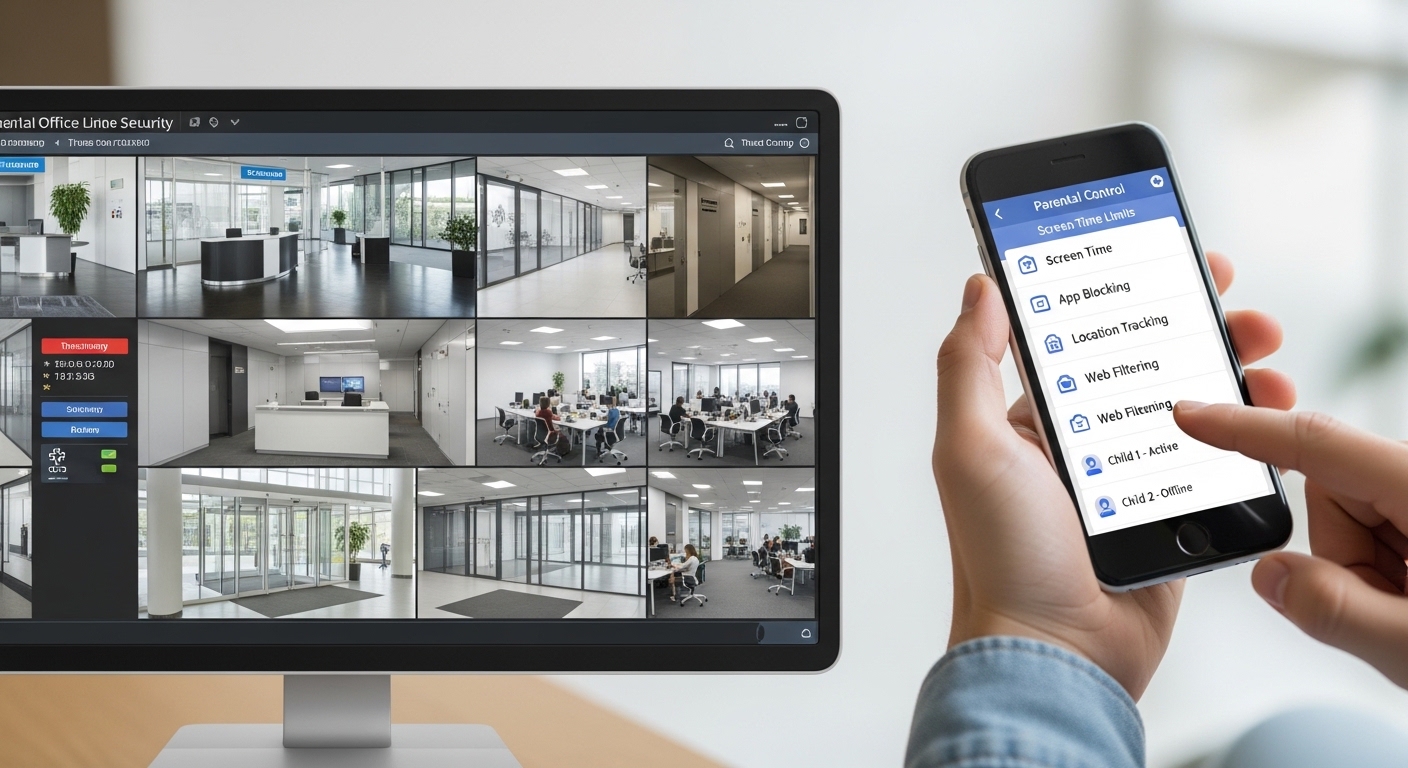
Commercial monitoring tools operate very differently from law enforcement phone surveillance because they require installation directly on the target device rather than carrier-level cooperation.
Apps such as Hoverwatch are designed for parental control or employee monitoring. Once installed, they record calls, texts, location history, and screen activity.
Unlike police intercepts, these leave detectable traces. Read the full Hoverwatch review to understand what these tools look like from the inside.
Understanding this distinction prevents unnecessary alarm. Lawful phone surveillance is invisible and legally authorized at the network level. Commercial solutions are user-installed and often detectable with basic device checks.
| Aspect | Law Enforcement Wiretapping | Commercial Apps (e.g., Hoverwatch) |
|---|---|---|
| Access Method | Carrier network cooperation via court order | Physical or remote installation on device |
| Legal Requirement | Judicial warrant or court order | Owner consent or device access |
| Detectability | Extremely difficult; no device traces | Visible in app lists, battery stats, or antivirus scans |
| Data Captured | Calls, SMS, metadata, location via carrier | Calls, SMS, GPS, keystrokes, screenshots |
| Scope | Limited to authorized targets and timeframes | Ongoing as long as app remains installed |
If you suspect commercial spyware rather than police activity, the detection process is much simpler. Check your app list, battery stats, and run an anti-spyware scan to detect phone spying quickly.
How Do You Protect Your Privacy?
Protecting your privacy starts with end-to-end encrypted communication apps that prevent carriers from accessing message or call content even during authorized phone surveillance.
Switch to Signal for both messaging and voice calls whenever possible. Enable disappearing messages and verify safety numbers with contacts. These measures ensure that intercepted data remains unreadable at the carrier level.
Use Signal for sensitive conversations — even with a valid wiretap order, law enforcement only sees encrypted data they cannot decipher without compromising your device directly.
Keep your operating system and apps updated to patch security vulnerabilities. Use a reputable VPN on public Wi-Fi to encrypt internet traffic, though it does not protect traditional voice calls.
Review installed apps regularly and remove anything unfamiliar. Consider periodic factory resets after backing up essential data. Avoid clicking suspicious links in texts or emails.
Enable two-factor authentication on every account. Use unique passwords generated by a password manager. These habits reduce overall exposure without assuming constant monitoring.
“Digital security is a shared responsibility. Parents monitoring their children, employers securing company devices, and individuals protecting their own accounts all contribute to a safer ecosystem.”
Dr. Sarah Chen, Digital Forensics Expert, SANS Institute
Final Thoughts
Phone surveillance by law enforcement is a powerful investigative tool governed by strict legal safeguards, but it remains largely undetectable on the device side.
Focus on observable patterns, maintain good device hygiene, and know your rights rather than searching for definitive proof that rarely exists.
If you have genuine concerns about privacy or suspect targeting, consult a qualified attorney. Staying informed and using modern encrypted tools like Signal provides the best practical defense against both authorized and unauthorized monitoring.
Frequently Asked Questions
Nope — that is a Hollywood myth at this point. Modern digital wiretaps happen at the carrier level and produce zero audible artifacts on your end. Any clicking or static you hear is almost certainly normal network congestion, bad signal, or aging hardware. The whole point of a legal wiretap is that you never notice it.
Not through a standard carrier wiretap — end-to-end encryption means the carrier only sees scrambled data. They would need a separate warrant targeting the app company or your physical device to get actual message content. Metadata like who you messaged and when might still be available though, so keep that in mind.
In most federal criminal cases, yes — the law requires notification once the wiretap order expires and secrecy is no longer needed. You typically get an inventory of what was intercepted. State laws vary though, and intelligence-related FISA surveillance has much longer delays. Talk to a privacy attorney if you want to dig into your specific situation.
Not really. Once law enforcement identifies your new number — and they usually do quickly through call patterns — they just get a fresh court order for it. Carriers must comply regardless of whether you are on a contract or prepaid plan. Real protection comes from encrypted apps and operational security, not swapping SIM cards.
A proper Faraday bag does block all radio signals, which stops location tracking and any active communication intercepts while the phone is inside. The trade-off is you lose all connectivity — no calls, texts, data, or even emergency services. Use it selectively when you genuinely need isolation, but understand it only works while the phone stays in the bag.



I do not even know how I ended up here, but I believed this publish was once good.
I don’t recognise who you are but definitely you are going to a famous blogger in the event
you aren’t already. Cheers!
Hi would you mind sharing which blog platform you’re working with?
I’m looking to start my own blog soon but I’m having a hard time selecting between BlogEngine/Wordpress/B2evolution and Drupal.
The reason I ask is because your design seems
different then most blogs and I’m looking for something unique.
P.S My apologies for being off-topic but I had to ask!
You really make it seem so easy with your presentation but I find this topic
to be really something that I think I would never understand.
It seems too complicated and extremely broad for me. I’m looking forward for your next post, I’ll try to get the hang
of it!
Informative article, exactly what I wаѕ looking fоr.
Hello, I enjoy reading all of your article post. I wanted to write a little comment to support you.
I think the admin of this website is truly working hard in support of his web
site, for the reason that here every material is quality based
material.
This post is priceless. How can I find out more?
Do you have any pointers for creating short articles?
That’s where I constantly struggle as well as I just wind up gazing vacant
screen for very long time.
I can’t believe all my conversations could be tapped.