What Is an IMEI Number and How Can It Be Used to Track a Phone
What is an IMEI number? Every phone has an IMEI number — a unique 15-digit identifier that acts like a fingerprint for your device.
Your carrier uses it to connect your phone to the network, and it’s the key to tracking, blocking, or recovering a lost or stolen device.
This guide explains what an IMEI number is, how to find yours, how carriers and law enforcement use it to track phones, and what you can do with it to protect yourself.
Never share your IMEI number publicly or with untrusted parties. Someone with your IMEI could clone your device identity or use it for fraudulent purposes.
What Exactly Is an IMEI Number?
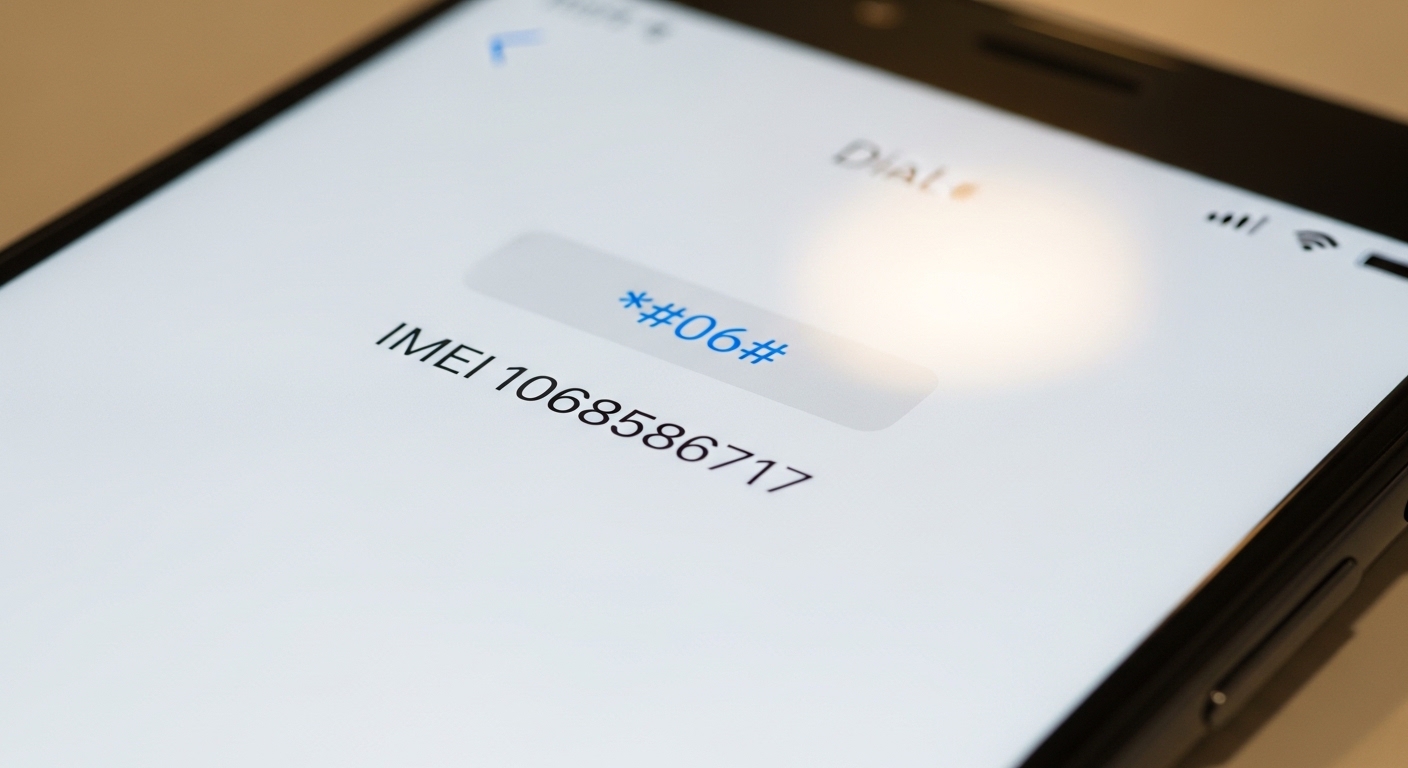
IMEI stands for International Mobile Equipment Identity. It’s a 15-digit number assigned to every mobile device during manufacturing.
No two phones in the world share the same IMEI number — it’s permanently embedded in your device’s hardware.
| IMEI Component | Digits | What It Identifies |
|---|---|---|
| TAC (Type Allocation Code) | First 8 | Device manufacturer and model |
| Serial Number | Digits 9-14 | Individual device within that model |
| Check Digit | Digit 15 | Verification (Luhn algorithm) |
Dual-SIM phones have two IMEI numbers — one for each SIM slot. eSIM devices also have their own IMEI separate from the physical SIM slot.
The GSMA maintains the global IMEI database. Over 10 billion IMEI numbers have been assigned since the system was introduced in 1996, covering every GSM, UMTS, and LTE device manufactured worldwide.
Your phone number is tied to your SIM card and can change when you switch carriers. Your IMEI is tied to the physical device and stays the same regardless of which SIM card or carrier you use.
How Do You Find Your Phone’s IMEI Number?
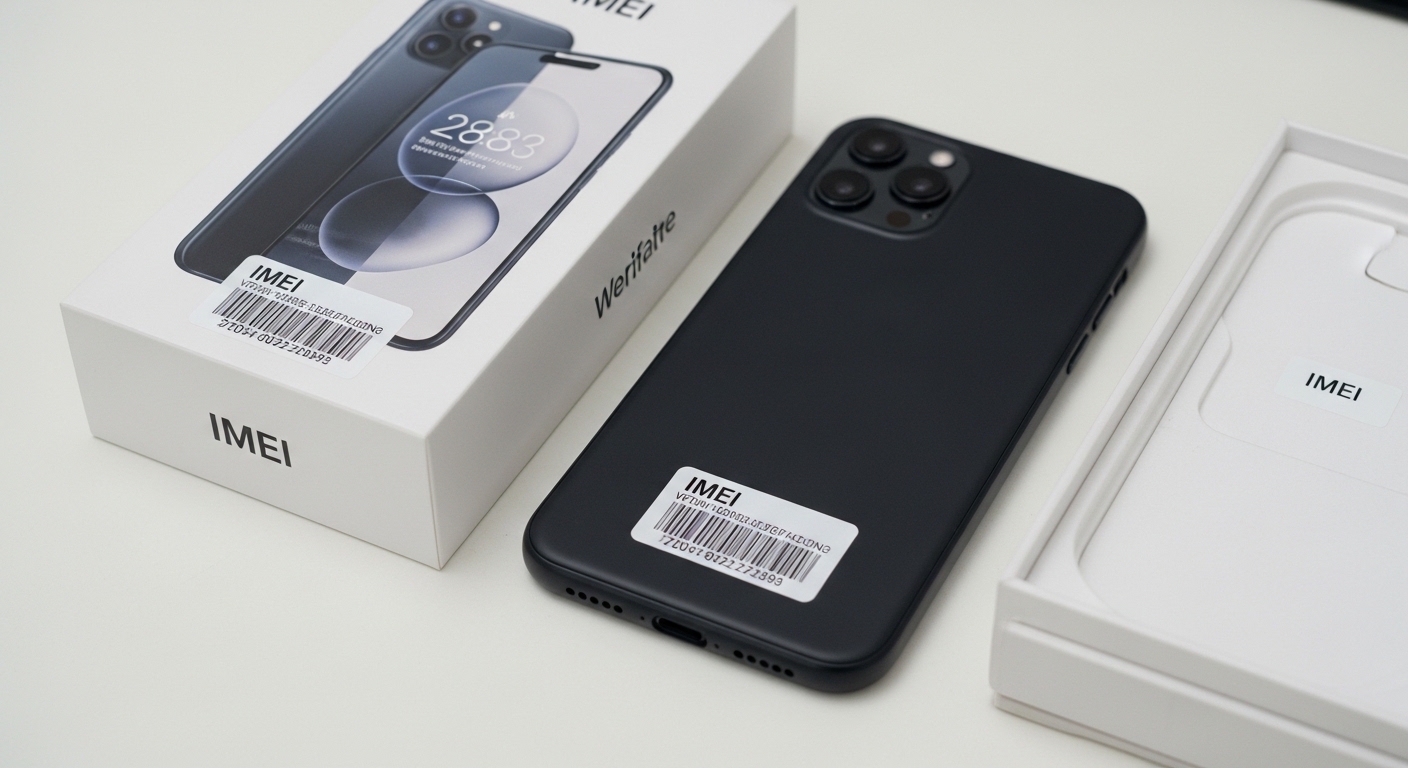
There are several ways to find your IMEI number, even if you no longer have the phone. Knowing multiple methods ensures you can always access it when needed.
Take a photo of your phone’s IMEI right now and save it to cloud storage. If your phone is stolen, you’ll need this number for police reports and carrier blacklisting.
Can Your IMEI Number Be Used to Track Your Location?
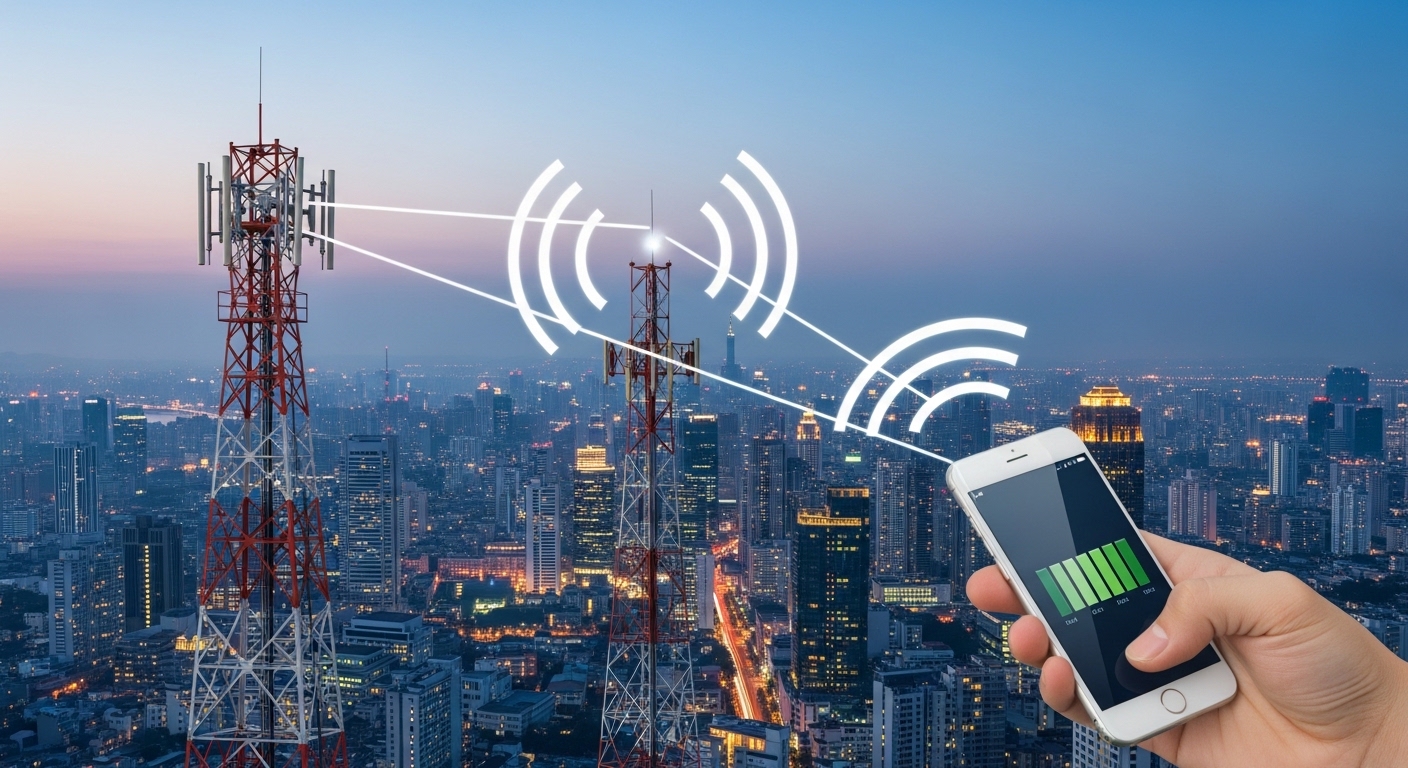
Yes — but only by carriers and law enforcement, not by ordinary people. IMEI tracking works through the cellular network and requires access to carrier infrastructure.
“Every website claiming to track a phone by IMEI number for free is a scam. Real IMEI tracking requires direct access to carrier infrastructure, which only the carrier and law enforcement have.
Don’t enter your IMEI on random websites.”
Alex Rivera, CEH, OSCP
Never enter your IMEI on websites claiming to offer free phone tracking. These are phishing scams designed to collect device identifiers for fraud or social engineering attacks.
How Does IMEI Blacklisting Work?
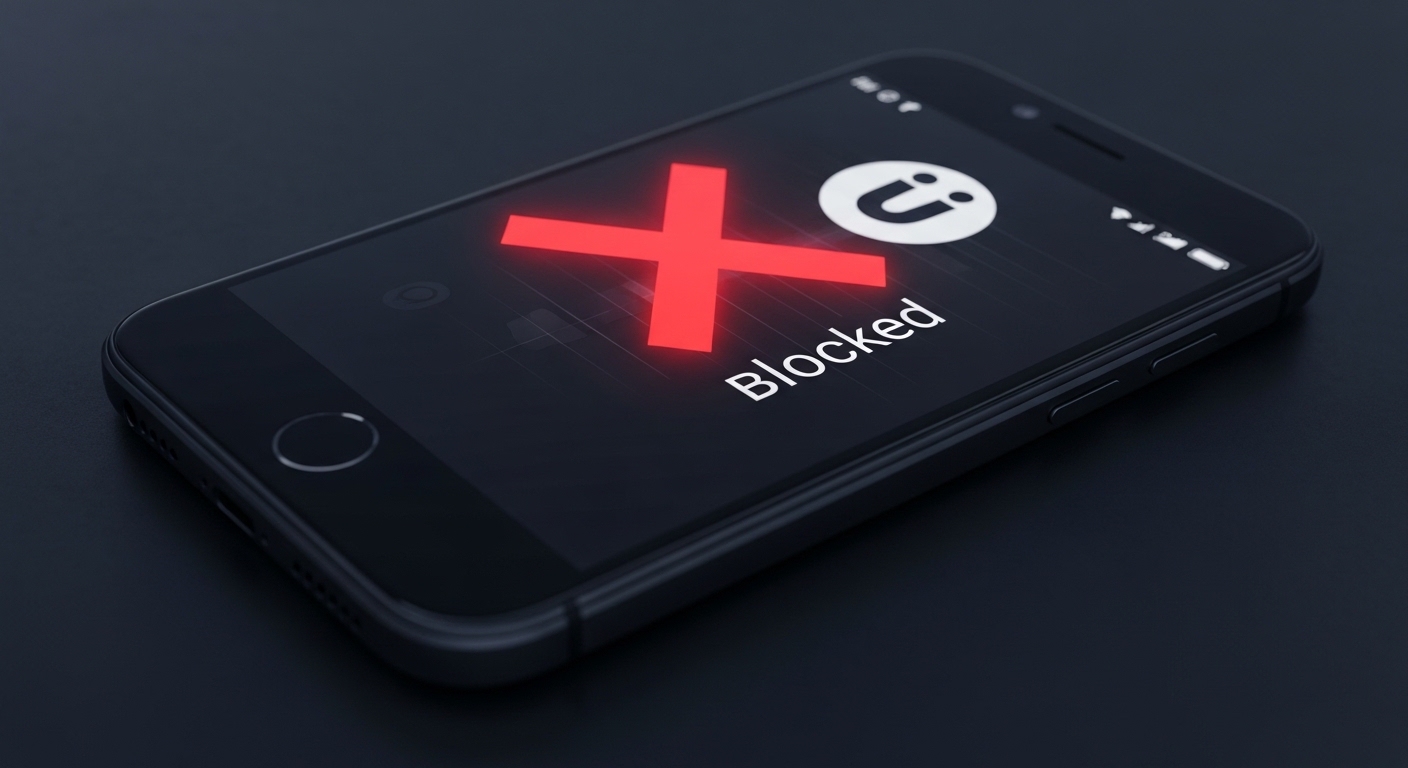
IMEI blacklisting is the most powerful tool you have against phone theft. When you report your IMEI to your carrier as stolen, they add it to a shared database that prevents the phone from connecting to any carrier network.
Blacklisting is permanent until the original owner requests removal. Even a factory reset doesn’t change the IMEI or remove it from blacklists — the block is at the network level, not on the device itself.
Some criminals attempt to change a phone’s IMEI to bypass blacklists. This is called IMEI reprogramming and is illegal in most countries, including the US and UK.
Learn more about phone cloning and IMEI manipulation.
What Should You Do If Your Phone Is Stolen?
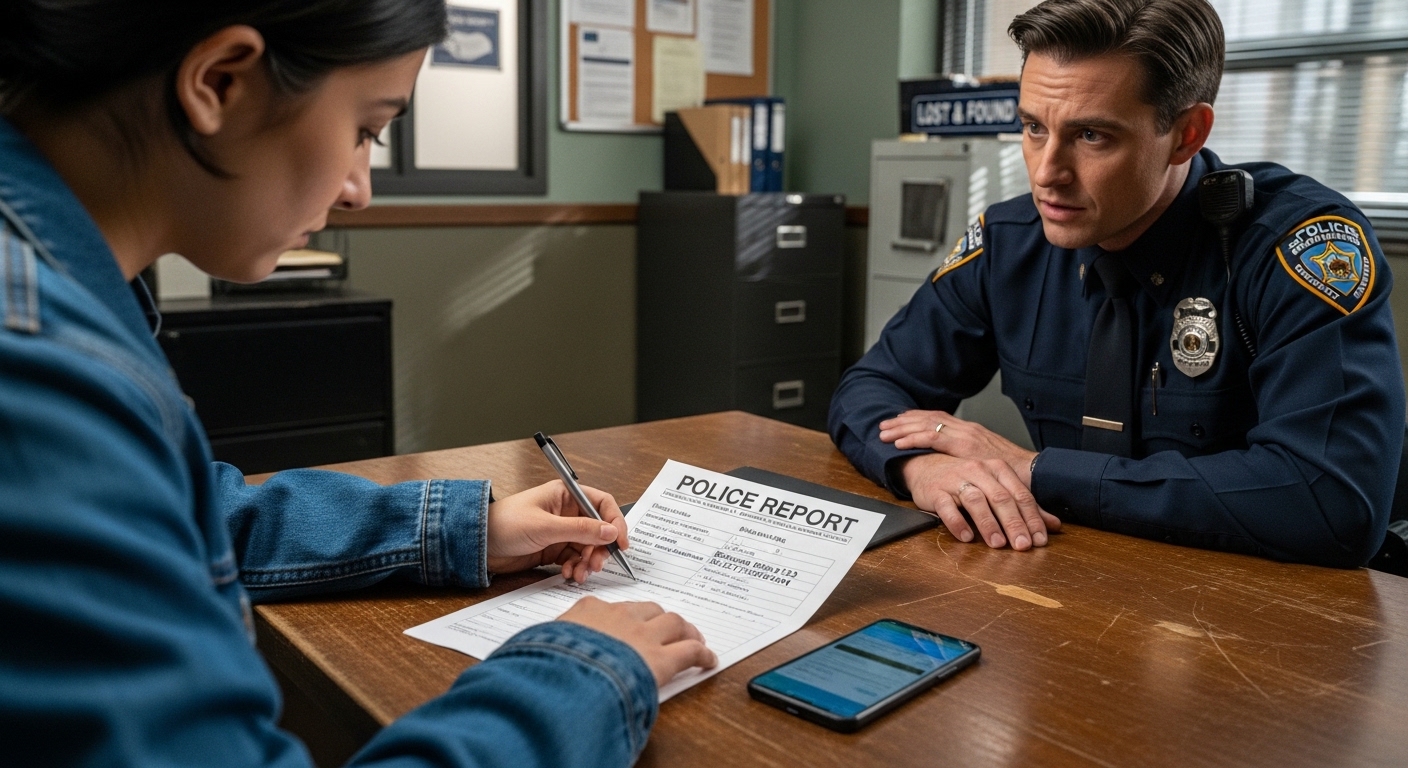
Speed is critical when your phone is stolen. The faster you act, the more likely you are to recover it and the less damage a thief can do with your data.
Keep your IMEI, phone serial number, and carrier account number in a secure document separate from your phone. A password manager or encrypted note works well.
Can You Check If a Used Phone’s IMEI Is Clean?
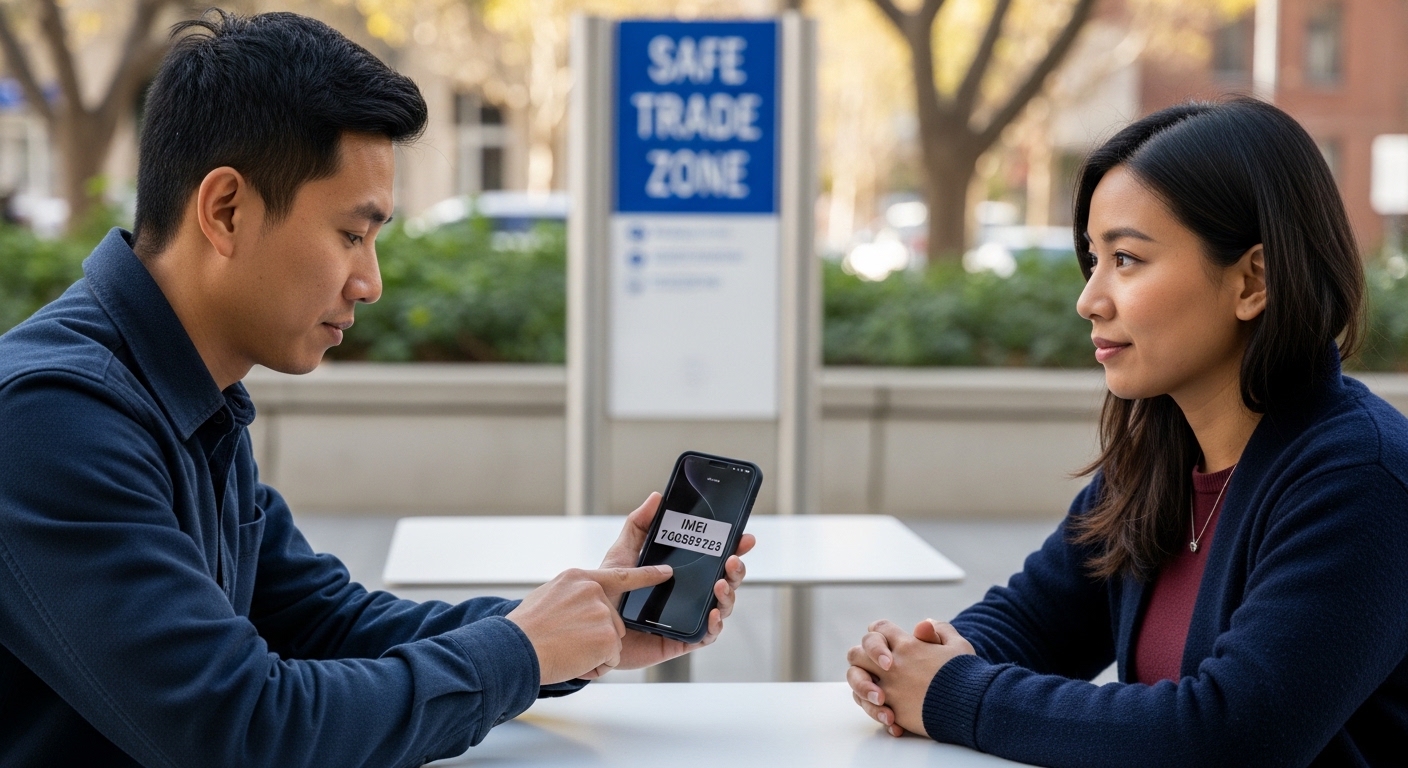
Always check the IMEI before buying a used phone. A blacklisted IMEI means the phone was reported lost or stolen and will not work on carrier networks.
| IMEI Check Service | What It Shows | Cost |
|---|---|---|
| Carrier website (AT&T, T-Mobile, Verizon) | Activation eligibility on their network | Free |
| imei.info | Basic device info, blacklist status | Free (basic) |
| CTIA Stolen Phone Checker | National blacklist status | Free |
| Swappa IMEI check | Blacklist + carrier lock + iCloud lock | Free |
| CheckMEND | Global blacklist + police database | Paid |
“I’ve seen hundreds of cases where people bought cheap phones online only to discover the IMEI was blacklisted a week later. A 30-second IMEI check before purchase would have saved them hundreds of dollars.”
Dr. Sarah Chen, Digital Forensics Expert
If you discover a phone you purchased has a blacklisted IMEI, contact the seller immediately and request a refund.
Report the transaction to the platform where you bought it and consider filing a police report for receiving stolen property.
Final Thoughts
Your IMEI number is the most important identifier your phone has. Understanding your IMEI number is essential. Dial *#06# right now, write it down, and store it somewhere safe.
If your phone is ever lost or stolen, this number is what carriers, police, and insurance companies need to help you.
Remember — no website can track a phone by IMEI for free. Use GPS-based tools like Find My Device for real-time tracking, and rely on carrier IMEI blacklisting to make stolen phones worthless.
Frequently Asked Questions
Only your carrier and law enforcement with a court order can track your phone via IMEI. Tracking requires access to carrier network infrastructure — there is no public tool, app, or website that can locate a phone using its IMEI number alone. Websites claiming to offer free IMEI tracking are scams. For real tracking, use GPS-based tools like Google Find My Device or Apple Find My.
No. Your IMEI is permanently embedded in the phone's hardware and does not change when you swap SIM cards, switch carriers, or factory reset the device. Your phone number is tied to the SIM card and changes with it, but the IMEI stays the same for the lifetime of the device. This is what makes IMEI blacklisting effective — the block follows the device, not the SIM.
IMEI reprogramming is technically possible on some devices using specialized software, but it's illegal in the US under the Mobile Device Theft Deterrence Act and in many other countries. Modern phones have additional security layers that make IMEI changes difficult — and carriers are improving detection of reprogrammed IMEIs. Even with a changed IMEI, other identifiers can still flag the device.
Absolutely. Always dial *#06# on the phone and run the IMEI through a free checker like imei.info or the CTIA Stolen Phone Checker. A blacklisted IMEI means the phone was reported stolen and will not activate on any major US carrier. Also verify that the IMEI displayed on screen matches the one printed on the box and SIM tray. This 30-second check can save you hundreds of dollars.
No, they're different identifiers. The IMEI (15 digits) identifies your device on cellular networks and is used by carriers for network access and tracking. The serial number is a manufacturer-specific identifier used for warranty, repairs, and Apple/Samsung account management. Both are important — keep records of both for insurance and recovery purposes.