Best Employee Monitoring Software for Small Business
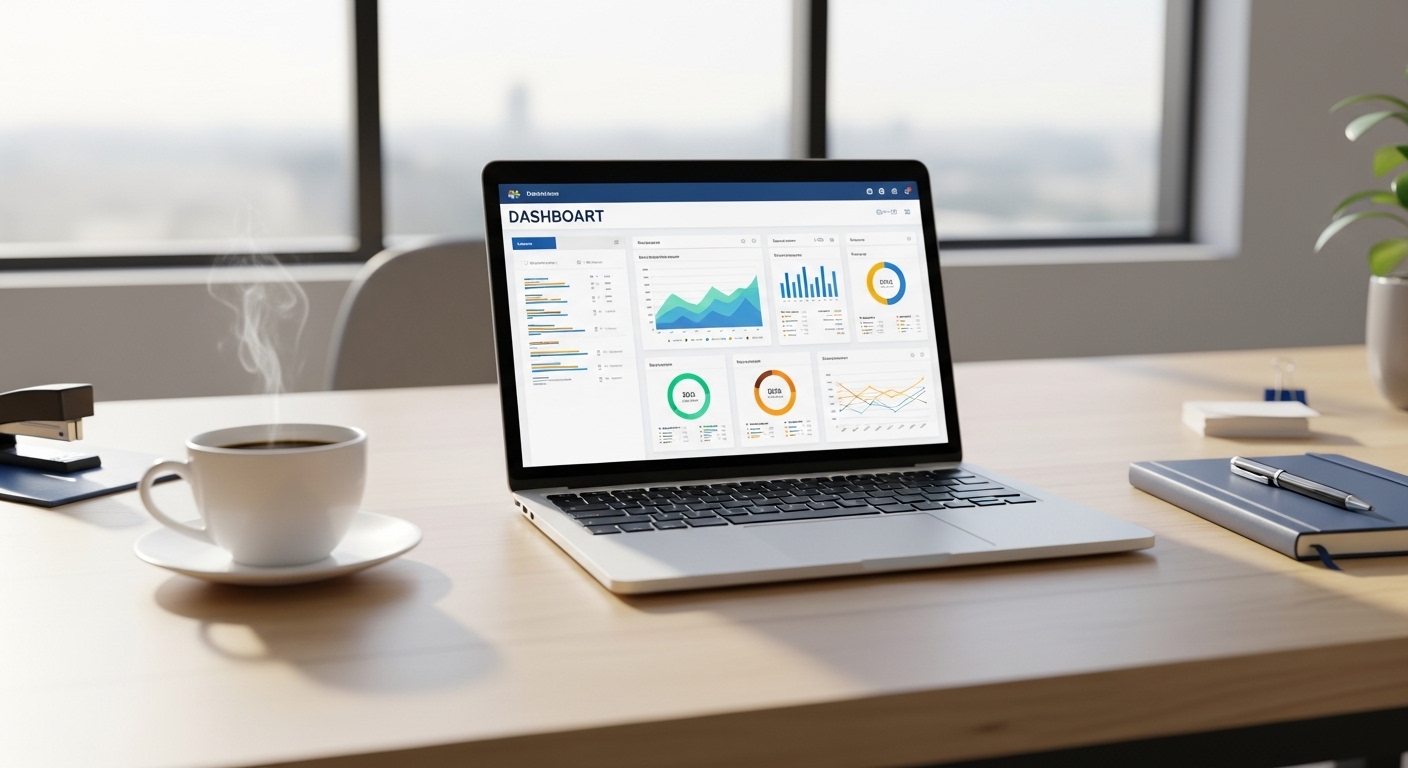
Hoverwatch is the best employee monitoring software for small business at $24.95/month per device. It tracks GPS location, calls, messages, and app usage invisibly on company Android phones.
For teams with mixed devices, Hubstaff offers time tracking with GPS and screenshots starting at $7/month per user across all platforms.
Federal law requires written employee consent before monitoring personal devices. On company-owned devices, a clear monitoring policy in the employee handbook is sufficient in most states.
Which Employee Monitoring Software Is Best for Small Business?
Hoverwatch for stealth phone monitoring, Hubstaff for time tracking with GPS, Time Doctor for productivity analytics, and Teramind for desktop surveillance. Each solves a different problem.
| Software | Best For | Tracks | Stealth | Price/user/mo |
|---|---|---|---|---|
| Hoverwatch | Phone monitoring | GPS, calls, SMS, apps, social media | Yes (hidden) | $24.95 |
| Hubstaff | Time + GPS tracking | Hours, GPS routes, screenshots, apps | No (visible) | $7 |
| Time Doctor | Productivity | Hours, screenshots, websites, apps | No (visible) | $7 |
| Teramind | Desktop surveillance | Keystrokes, screen recording, email, files | Optional | $15 |
| ActivTrak | Team analytics | App usage, productivity scores, trends | No (visible) | $10 |
Most small businesses need either phone tracking (field teams) or desktop monitoring (office/remote workers). Pick based on what your employees actually use for work.
“Small businesses waste thousands on enterprise monitoring tools they don’t need. A five-person delivery team needs GPS tracking, not keystroke logging. Match the tool to the actual problem.”
James Thornton, IT Consultant for SMBs
How Do You Set Up Hoverwatch on Company Phones?

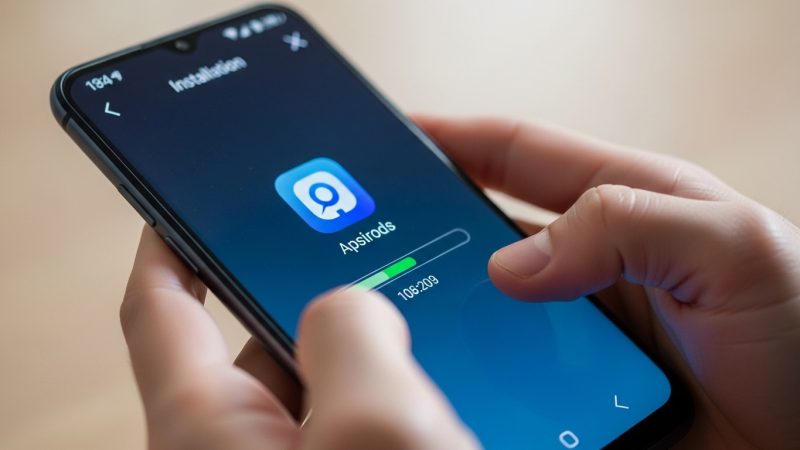
Create one Hoverwatch business account, install the APK on each company Android phone, and manage all devices from a single web dashboard. Setup takes 10 minutes per device.
Buy phones specifically for work use. Installing monitoring on company-owned devices avoids all legal gray areas around employee privacy.
The app disappears from the app drawer. It runs as a background system service that survives reboots and app cleaners.
The Business plan at $149.95/month covers up to 25 devices — about $6 per device for larger teams. Read our Hoverwatch review for the full feature breakdown.
What Can Employee Monitoring Software Actually Track?
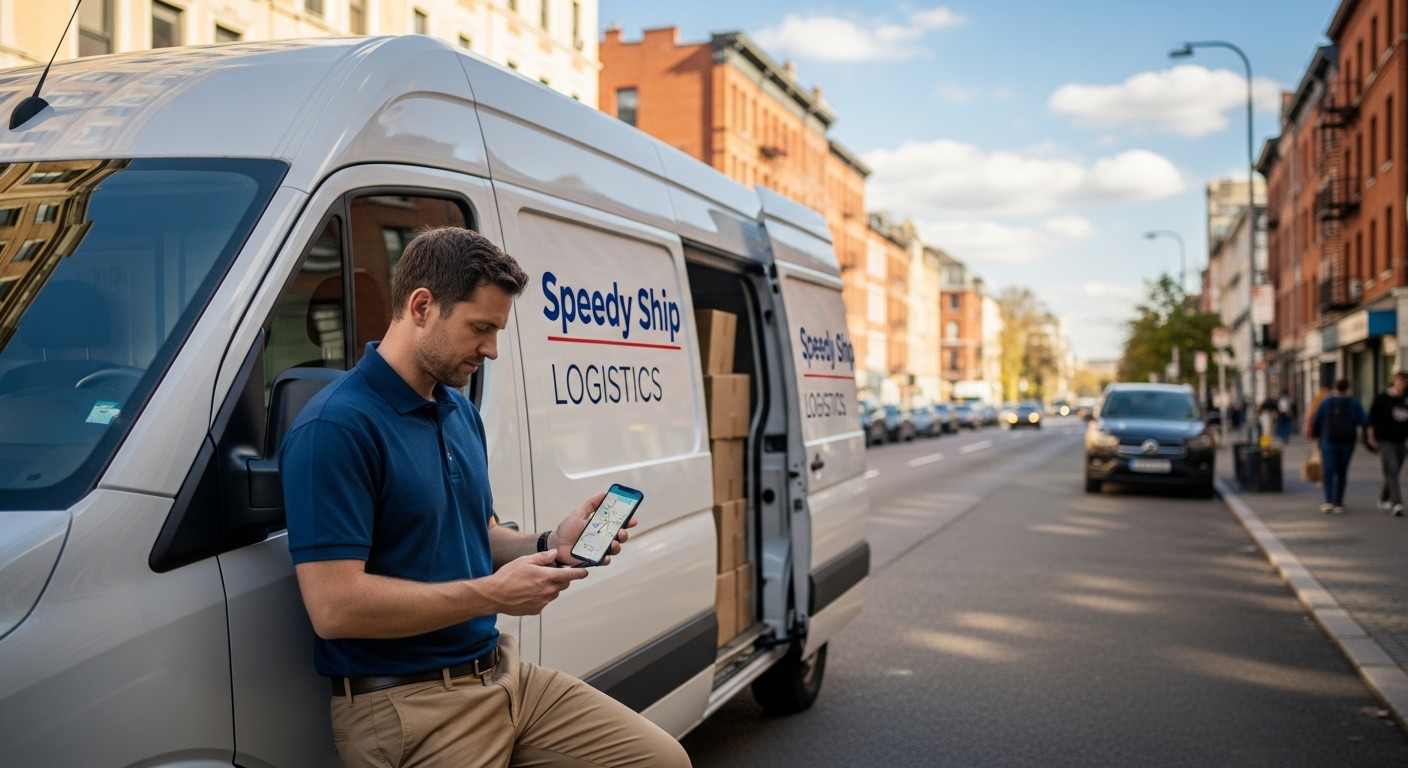
Phone monitoring tracks location, calls, and messages. Desktop monitoring tracks screen activity, websites visited, and time spent per application. Most tools generate automated daily reports.
GPS tracking proves delivery drivers follow assigned routes. Screenshot monitoring confirms remote workers stay on task during paid hours.
“We installed GPS tracking after one driver consistently logged 8-hour routes that should take 5 hours. Within a week, the data showed he was parking at home for 3 hours mid-shift. The software paid for itself on day one.”
Rachel Kim, Operations Manager, Regional Logistics Company
Set clear expectations about what you monitor and why. Employees who understand the business reason behind tracking rarely object — especially when the data also protects them in disputes with customers.
Do You Need Employee Consent for Monitoring?

On company-owned devices — include a monitoring disclosure in your employee handbook and have employees sign it. On personal devices (BYOD) — you need explicit written consent before installing anything.
Never install monitoring software on an employee’s personal phone without their written consent. This violates federal wiretapping laws and can result in lawsuits and criminal charges.
The American Management Association reports that 78% of major companies monitor employee email and internet use. For small businesses, the same tools are now affordable at under $10/month per employee.
Final Thoughts
Hoverwatch handles phone monitoring for field teams. Hubstaff covers time tracking for remote workers. Pick one based on whether your employees work on phones or computers.
Start with a free trial, write a clear monitoring policy, and tell your team what you track and why.
Frequently Asked Questions
Hubstaff starts at $7/month per user for time tracking with screenshots and GPS. For phone-only monitoring, Hoverwatch's Business plan works out to about $6 per device when you monitor 25 phones. Both offer free trials so you can test before committing.
On company-owned Android phones — yes, Hoverwatch runs in full stealth mode with no visible icon or notifications. On employee-owned personal phones — no, you need written consent and the employee must know monitoring is active. Always check your state laws before implementing stealth monitoring.
Desktop and time tracking tools like Hubstaff and Time Doctor work on iOS. For phone-level monitoring (calls, messages, GPS), iPhone options are limited to iCloud-based methods that require the Apple ID. Most small businesses provide Android phones for field employees to avoid this limitation.
Include the monitoring policy in your employee handbook. Have each employee sign an acknowledgment form. Be specific about what data you collect, how you use it, and who has access. Most employees accept monitoring when you explain the business reason — route optimization, time accuracy, or customer dispute resolution.
On company-owned phones with Hoverwatch — yes, it captures WhatsApp, Facebook, Instagram, and other apps. On personal devices, you should only monitor work-related activity. Include clear boundaries in your policy about what constitutes personal vs work use during business hours.