How To Identify The Mobile Phone Provider

A carrier lookup by phone number takes seconds and instantly reveals which network operates any mobile line.
Enter the digits, hit search, and the provider name appears before you finish your coffee.
This simple check helps you screen unknown callers, route business messages correctly, and verify contacts who recently switched networks.
Carrier lookup services access publicly available network data only. Using lookup results for harassment, stalking, or unauthorized surveillance violates federal telecommunications laws including the Telephone Consumer Protection Act (TCPA).
What About What Is a Carrier Lookup and Why Would You Need One?
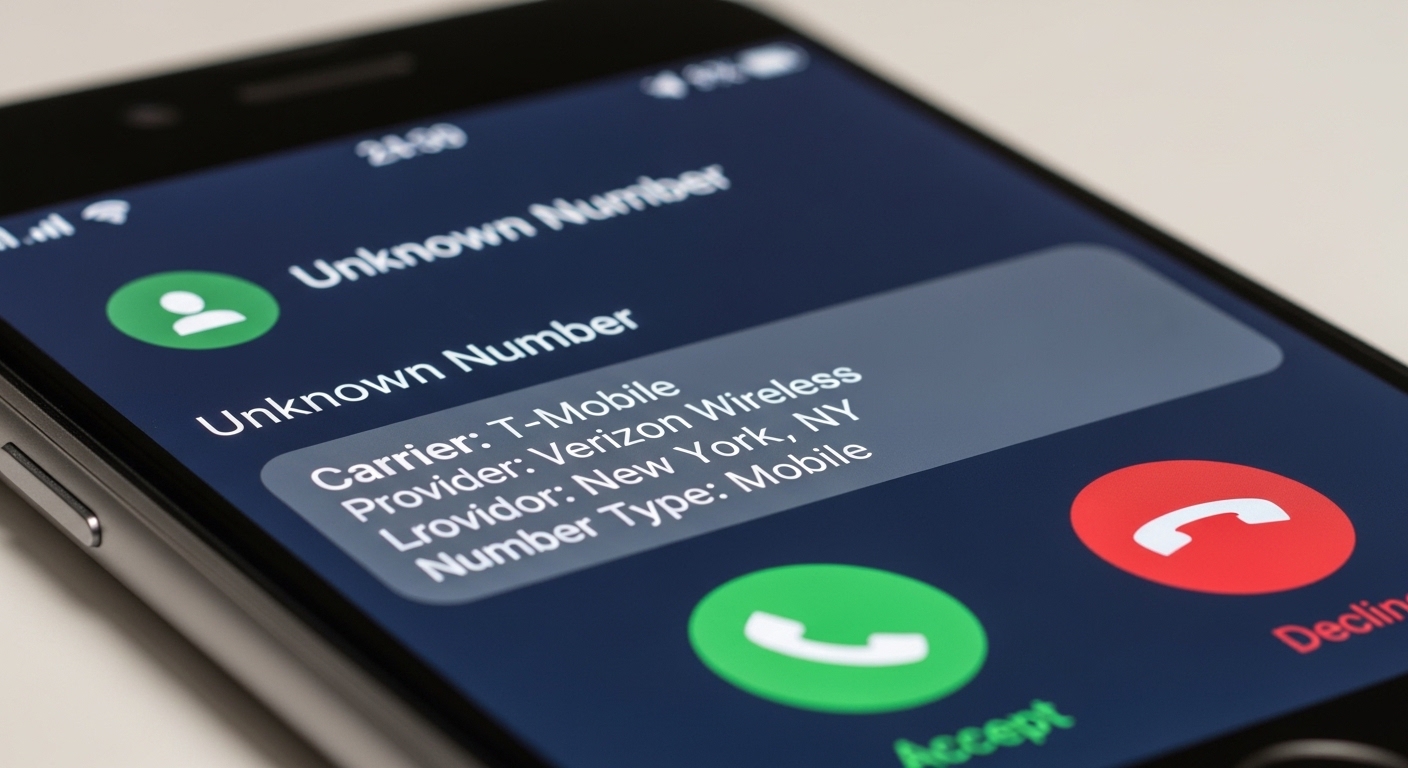
Over 400 million phone numbers are ported between carriers annually in the United States alone, making real-time carrier verification essential for accurate communication.
You might need this when screening potential spam calls that flood your phone daily. Friends and family often switch providers, so confirming the carrier explains why a number behaves differently than expected.
Businesses rely on carrier data to route SMS campaigns to the correct networks and avoid delivery failures. Professionals use phone carrier lookup for fraud checks before approving high-value transactions.
Start with a free lookup tool for casual checks. Upgrade to an API-based service only when your volume exceeds a hundred queries per month.
It also aids in verifying ported numbers that moved from one provider to another. Overall, mobile carrier identification keeps your communications smooth and secure.
“The most effective security measures are often the simplest: strong unique passwords, two-factor authentication, and keeping your software updated. Most breaches exploit basic oversights, not sophisticated vulnerabilities.”
Alex Rivera, CEH, OSCP
How Does Carrier Lookup Actually Work?

Carrier lookup by phone number taps into public databases that track number assignments across networks. These systems pull real-time data from mobile operators without contacting the user directly.
When you submit a number, the tool queries number portability records that follow phones even after they switch carriers. It cross-references carrier registries maintained by the telecommunications industry.
Number Portability Administration Center (NPAC) processes over 35 million port requests yearly, keeping centralized lookup servers accurate and current.
Results appear in seconds because the information lives in centralized servers optimized for fast retrieval. Behind the scenes, the process uses protocols similar to those phone companies employ internally.
No complex setup is required from your end. You simply get clear carrier details that help you act on the spot, whether blocking spam or routing a business message.
What Are the Best Free Carrier Lookup Tools?
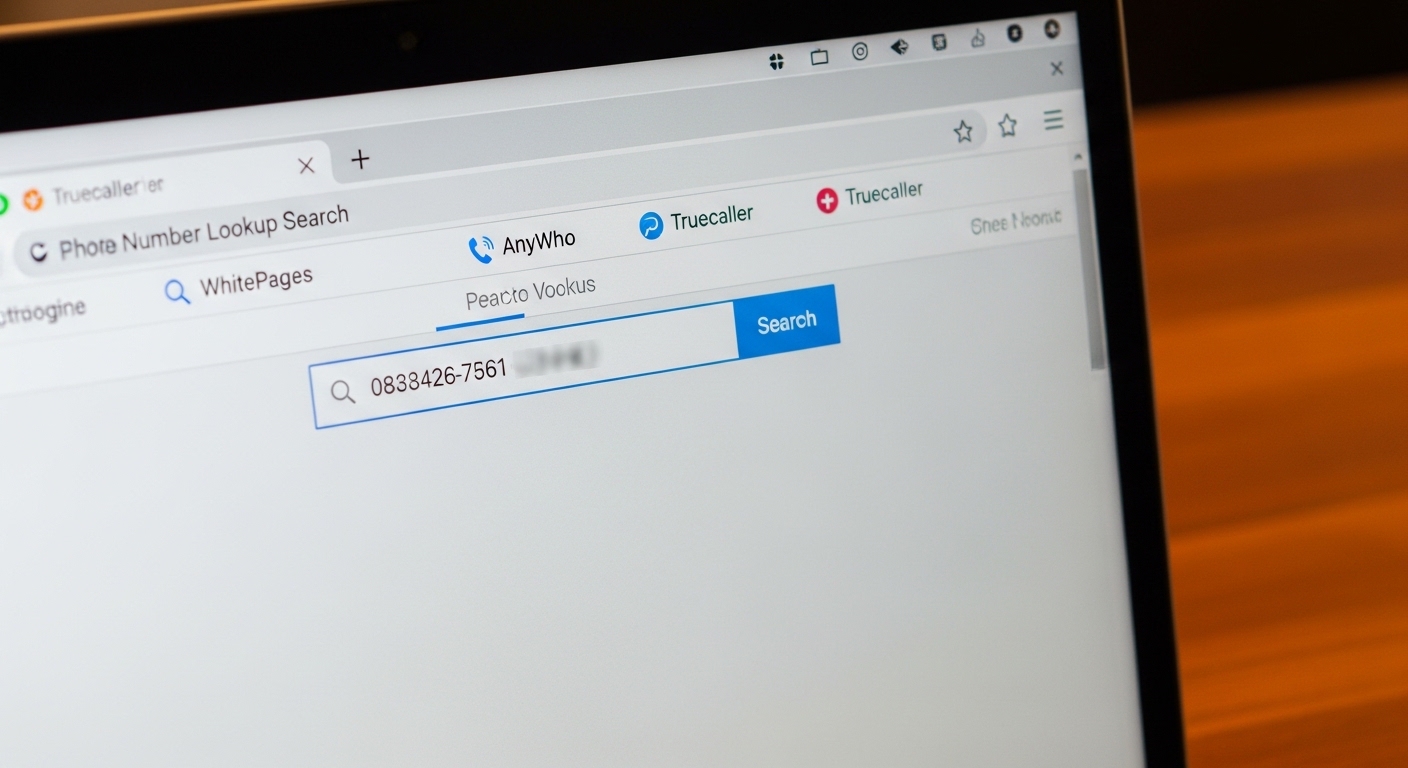
Several reliable tools handle carrier lookup by phone number without charging a cent. Each one serves a slightly different audience, from casual users to developers building automated systems.
FreeCarrierLookup.com also provides email-to-SMS gateway addresses for U.S. and Canadian numbers, useful for sending texts via email clients.
Each tool serves a different audience — casual users prefer CarrierLookup.com while developers gravitate toward Twilio and NumVerify APIs.
| Tool | Free | Registration | International | API | Accuracy |
|---|---|---|---|---|---|
| CarrierLookup.com | Yes (basic) | No | Limited (mainly US) | Paid option | High |
| FreeCarrierLookup.com | Yes | No | Yes (most countries) | No | High |
| Twilio Lookup API | Basic yes, carrier paid | Yes | Yes | Yes | Very High |
| NumVerify | Yes (100/month) | Yes (API key) | Yes (232 countries) | Yes | High |
Use this comparison to identify the option that matches your requirements.
How Do You Do a Carrier Lookup Step by Step?
Running a number carrier check takes less than ten seconds once you know the process. Follow these steps using CarrierLookup.com or any similar free tool.
Review the output carefully: a carrier lookup by phone number shows the provider name, line type, and sometimes a region note. These details confirm exactly which network serves the number right now.
Double-check the number format before submitting. Missing digits or incorrect country codes produce inaccurate results that could lead to wrong conclusions.
Repeat the process anytime for new numbers that pop up in your call log or inbox. Practice a couple of times and carrier lookup by phone number becomes second nature.
What About Can You Identify the Carrier of an International Number?

Yes, tools like NumVerify handle international numbers smoothly by recognizing country codes automatically. Enter the number in global format starting with a plus sign and receive carrier and location data.
FreeCarrierLookup.com also supports most nations through its broad database. A carrier lookup by phone number through this site returns local carrier names even for numbers in Europe, Asia, or Latin America.

HLR-based queries behind the scenes help fetch live network info when available. This technology pings the home location register directly for real-time accuracy.

Some smaller countries return limited details compared to major markets. For frequent global checks, pick an API tool that specializes in international coverage.
Always double-check formatting to avoid errors. If you regularly find phone number free through online directories, pairing that with a carrier check gives you a more complete picture.
What About What Carrier Lookup Cannot Tell You?

A basic number carrier check never reveals the owner’s name or personal details. It stops at network-level information and skips anything tied to the individual user.
Ported numbers sometimes display the original carrier instead of the current one, depending on how fresh the database stays. Exact location tracking stays off-limits without additional legal authorization.
Never assume carrier lookup results reveal personal identity. Using lookup data to build profiles or track individuals without consent violates privacy laws in most jurisdictions.
If you need to find out who owns a phone number, that requires separate authorized services beyond basic carrier checks.
For richer insights such as real-time network status or SIM change alerts, monitoring solutions like Hoverwatch offer deeper visibility.
This app surfaces carrier info plus call logs and location updates directly in your dashboard.
According to the FCC, number porting databases update within minutes for major carriers but may lag up to 48 hours for smaller regional providers.
It delivers the extra context that plain lookups simply cannot provide, especially for ongoing mobile carrier identification needs.
What About Carrier Lookup for Business: SMS and Call Routing?

Businesses perform carrier lookup by phone number to optimize SMS delivery and cut costs on failed messages.
Knowing the exact network lets teams route texts through the right gateways for higher success rates.
Call centers use carrier lookup by phone number to distinguish mobile lines from landlines before placing outbound calls. Accurate carrier data also flags potential fraud numbers early in customer onboarding.
Integrate carrier checks into your CRM onboarding flow to catch invalid or fraudulent numbers before they enter your database and waste marketing spend.
Marketing platforms rely on bulk lookups to segment audiences by provider preferences. The result improves engagement and reduces wasted spend on mismatched campaigns.

SMS routing through verified carrier gateways boosts delivery rates above 95 percent. Teams that skip this step often see bounce rates climb past 15 percent on mixed-carrier lists.

Fraud prevention teams flag VoIP and prepaid numbers during onboarding to reduce chargebacks. Automated phone carrier lookup catches suspicious patterns before they cost real money.
In short, carrier lookup by phone number becomes a quiet powerhouse for smarter communication strategies across every department.
“Digital security is a shared responsibility. Parents monitoring their children, employers securing company devices, and individuals protecting their own accounts all contribute to a safer ecosystem.”
Dr. Sarah Chen, Digital Forensics Expert, SANS Institute
Final Thoughts
Mastering carrier lookup by phone number equips you with a fast, reliable way to understand any mobile connection. Pick the right free tool for your needs and keep the process simple.
Combine these lookups with monitoring solutions like Hoverwatch when you require ongoing visibility into carrier changes and call activity. Stay informed and make every number work in your favor.
Frequently Asked Questions
Most likely, yes. When someone switches from one carrier to another, their number moves but some databases take a day or two to catch up. Run the lookup again after 48 hours and you should see the updated carrier. The mismatch itself actually confirms recent porting activity on that line.
No, and that's by design. Carrier lookup by phone number only returns the network provider and line type, never the person's name or address. Privacy laws block that data from public tools entirely. If you need owner info, you'd have to use a separate reverse phone lookup service that requires proper authorization.
Absolutely — switch to an API tool like Twilio Lookup or NumVerify. Upload your list through their developer endpoints and get structured results back in bulk. NumVerify gives you 100 free lookups per month, and Twilio scales to thousands without breaking a sweat. Just feed your CSV through a simple Python script and let the API do the heavy lifting.
Not necessarily worried, but definitely aware. VoIP means the number runs through internet-based service like Google Voice or a business phone system instead of a traditional cell tower. Scammers do use VoIP numbers because they're cheap and disposable, but plenty of legitimate businesses use them too. Just treat VoIP results as a flag to verify the caller through other means before sharing sensitive info.
Free tools are surprisingly accurate for basic carrier name and line type on most numbers. They pull from the same core telecom databases that paid options access. The main difference is that premium services add extras like real-time reachability checks and SIM swap detection. For everyday personal use, free sites work perfectly fine — save your money unless you need those advanced features.