Is it Possible to Steal Photos from Someone Else’s Phone?
Anyone can steal photos from phone through cloud breaches, shared device access, or spyware — but simple security steps prevent all three vectors.
This reality has created demand for tools and methods to steal photos from a phone or otherwise access images from other people’s devices, though this practice raises serious legal and ethical concerns that must be carefully considered.
Important: Accessing someone’s photos without consent is illegal in most jurisdictions. This guide is educational — to help you understand threats and protect your own privacy.
How Can Someone Steal Photos from Phone Remotely?
“The biggest misconception about photo theft is that it requires sophisticated hacking. In reality, 80% of cases come down to a weak iCloud or Google password. The attacker simply logs in and downloads everything.”
Alex Rivera, CEH, OSCP
Some services claim to offer selective downloads, allowing users to save only the most relevant or interesting photos.
Why Do People Want Access to Someone Else’s Photos?
Why People Seek Photo Access

The question of why people are intensely interested in accessing others’ photos and correspondence reveals troubling aspects of modern digital culture. While the answer might seem obvious, examining this issue seriously reveals a significant problem in contemporary society.
The internet increasingly dominates our lives, and relationships increasingly rely on virtual communication. This digital emphasis creates profound distrust toward even our closest loved ones, generating strong desires to monitor their activities.
Specific motivations include:
- Suspicions of infidelity in romantic relationships
- Parental concerns about children’s activities and associations
- Jealousy and insecurity in relationships
- Evidence gathering for divorce or custody proceedings
- Curiosity about private lives of acquaintances or colleagues
- Blackmail or harassment intentions
- Competitive business intelligence
The proliferation of visual communication platforms like Instagram, TikTok, Snapchat, and messaging apps with photo-sharing capabilities has amplified both the volume of photos people take and the desire to access others’ private images.
The “Where There’s Demand” Reality
Following the economic principle “where there’s demand, there’s supply,” the internet hosts numerous spyware programs claiming to provide photo access capabilities.
Among these offerings, some represent legitimate (though ethically questionable) monitoring software, while many are outright scams. The highest-quality applications typically offer extensive features beyond simple photo access.
How Does Photo-Stealing Spyware Actually Work?
Most legitimate monitoring applications follow a common operational pattern for accessing phone photos.
Modern operating systems make covert installation increasingly difficult through permission requirements, security scanning, and battery monitors that reveal suspicious apps.
How Do iOS and Android Protect Your Photos?
iOS Security Measures
Apple’s iOS (versions 10 and higher) implements strict security measures that make photo monitoring extremely difficult:
- Sandboxed app environment prevents cross-app data access
- App Store review process blocks most monitoring software
- End-to-end encryption on iMessage and iCloud Photos
- Regular security updates that detect and remove spyware
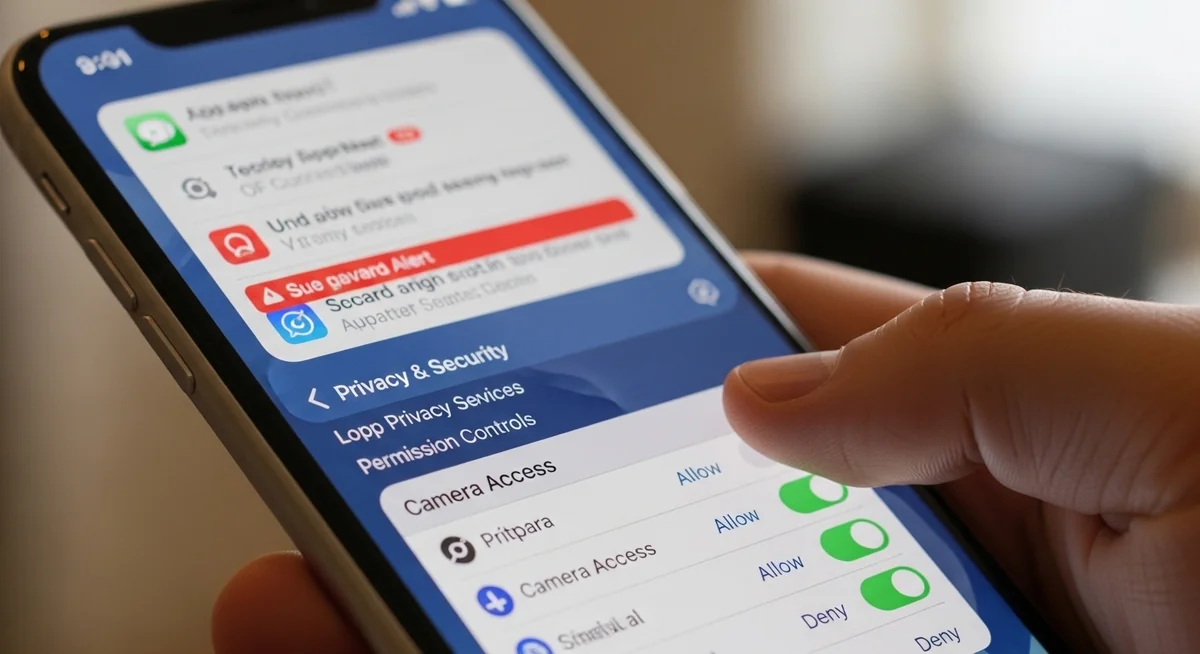
- User notifications for background location, camera, and photo access
Monitoring iOS devices typically requires jailbreaking, which voids warranties, creates obvious signs of tampering, and makes devices vulnerable to additional security threats.
Android Flexibility and Vulnerability
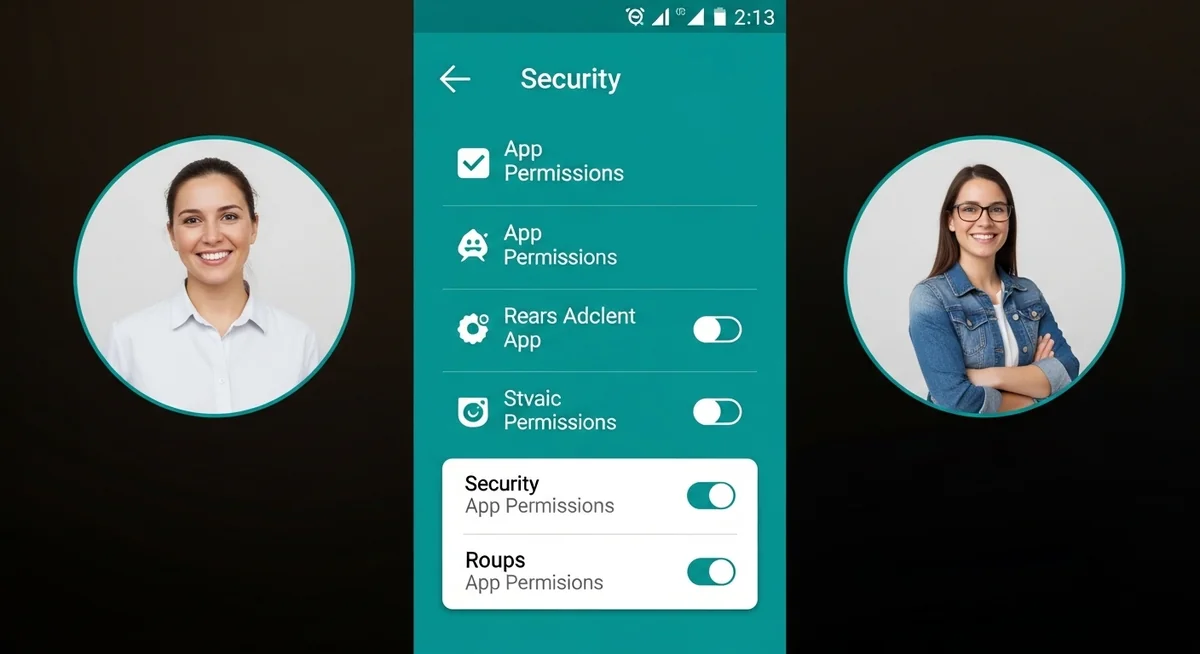
Android devices (4.4 and higher) offer more flexibility but also more security than older versions:
- Granular permission controls alert users to photo access
- Google Play Protect scans for malicious software
- File system access restrictions in newer versions
- Background app restrictions to preserve battery and privacy
However, Android’s more open architecture historically made it easier to steal photos from a phone, particularly by installing monitoring software from sources outside the Google Play Store.
Encrypted Messaging App Protections
Modern messaging platforms implement strong protections:
- Signal uses end-to-end encryption and discourages screenshots
- WhatsApp employs end-to-end encryption for all photos
- Telegram offers secret chats with self-destructing photos
- Snapchat notifies senders when recipients screenshot
- Discord implements various privacy settings for image sharing
Bypassing these protections requires device-level access, not network interception.
Can Someone Access Your Photos Through Cloud Storage?
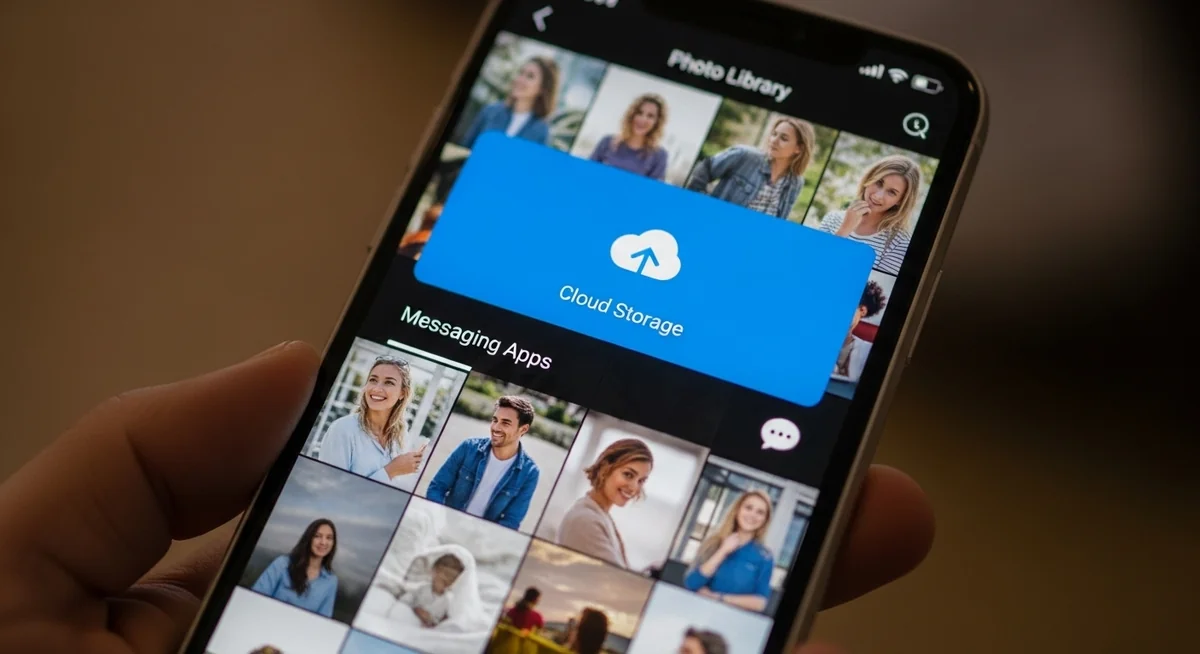
Many users automatically back up photos to cloud services including:
- Apple iCloud Photos
- Google Photos
- Dropbox
- OneDrive
- Amazon Photos
If someone obtains access to these cloud credentials (through phishing, credential stuffing, or social engineering), they can effectively steal photos from a phone’s cloud backup without ever touching the physical device.
This represents one of the most common and effective methods for unauthorized photo access.
Did you know: Over 80% of unauthorized photo access comes through compromised cloud credentials (iCloud, Google Photos), not through device-installed spyware. A strong cloud password.
What Are the Legal Consequences?

The Legal Warning
Despite the abundance of monitoring programs available online, it’s crucial to understand that attempting to steal photos from someone’s phone without authorization violates numerous laws in most jurisdictions.
This surveillance constitutes hidden espionage, and violating these laws can result in severe consequences.
Legal Distinctions
The legality varies significantly based on relationships and circumstances:
Minor Children
Parents generally have legal authority to monitor their minor children’s devices, including photos.
This parental right stems from legal responsibility for their children’s welfare and safety. However, some jurisdictions impose age-related restrictions, particularly for older teenagers who may have greater privacy expectations.
Spouses and Partners
Despite marital or relationship status, monitoring an adult spouse’s or partner’s device without consent typically remains illegal.
Marriage doesn’t eliminate privacy rights. Even if the device is on a shared phone plan or was purchased by the monitoring party, accessing photos without consent violates wiretapping, computer fraud, and privacy laws.
Other Adults
Monitoring colleagues, neighbors, friends, or any other adults without explicit consent is clearly illegal and can result in:
- Criminal prosecution under computer fraud and abuse statutes
- Stalking and harassment charges
- Privacy law violations
- Civil lawsuits for damages
- Restraining orders
- Significant fines and potential imprisonment
Evidence Inadmissibility
Photos obtained through illegal monitoring are typically inadmissible in court proceedings.
Even if you discover evidence of infidelity, illegal activity, or other concerning behavior, courts generally exclude illegally obtained evidence and may sanction the person who obtained it.
This legal principle, called “fruit of the poisonous tree,” means illegal surveillance often backfires legally.
Warning: Photos obtained through illegal monitoring are inadmissible in court and may result in criminal charges against YOU instead of the person you were investigating.
Is It Ever Ethical to Monitor Someone’s Photos?

The Moral Dilemma
While we acknowledge the moral complexities of this sensitive issue, the developers and promoters of monitoring software often argue that discovering truth justifies the means.
The common rationalization suggests it’s “better to know the truth than to love a cheating person” and that sometimes “it’s worth taking some risk.”
However, this reasoning faces significant ethical challenges:
- Fundamental violation of trust in relationships
- Treating people as objects to be controlled rather than autonomous individuals
- Normalizing surveillance in intimate relationships
- Creating precedents for mutual suspicion rather than communication
- Potentially discovering innocent activities misinterpreted as suspicious
“In every domestic surveillance case I’ve consulted on, the relationship was already broken before the spyware was installed. Monitoring never fixes trust — it only provides evidence that confirms what you already suspected.”
Dr. Maria Santos, Privacy Researcher, MIT CSAIL
Healthier Alternatives
Rather than resorting to surveillance, consider these approaches:
- Direct, honest communication about concerns and suspicions
- Couples therapy or relationship counseling
- Individual therapy to address trust issues
- Consulting with divorce attorneys about legal evidence-gathering options
- Working with licensed private investigators who operate within legal boundaries
- Accepting that relationships without trust may not be worth maintaining
These precautions significantly reduce your risk.
How Can You Protect Your Own Photos?
Quick check: Open Settings right now and verify 2FA is enabled on your iCloud or Google account. This single step blocks the most common photo theft method.
Security Best Practices
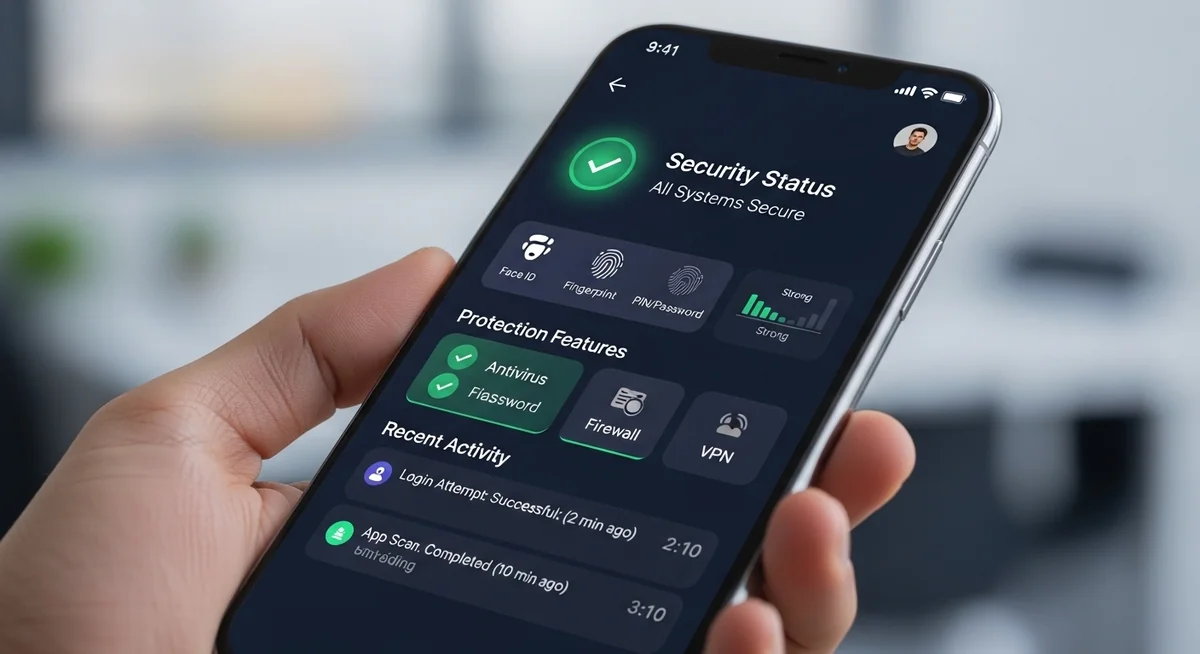
To protect your own photos from unauthorized access:
Detection Signs
Warning signs that someone may be trying to steal photos from your phone:
- Unexpected battery drain
- Unusual data usage
- Device heating up when idle
- Unfamiliar apps in your app list or hidden app section
- Someone knowing about photos they shouldn’t have seen
- Strange behavior or crashes in messaging apps
- Unexpected cloud storage activity
These precautions significantly reduce your risk.
Why Are Most Photo-Stealing Services Scams?
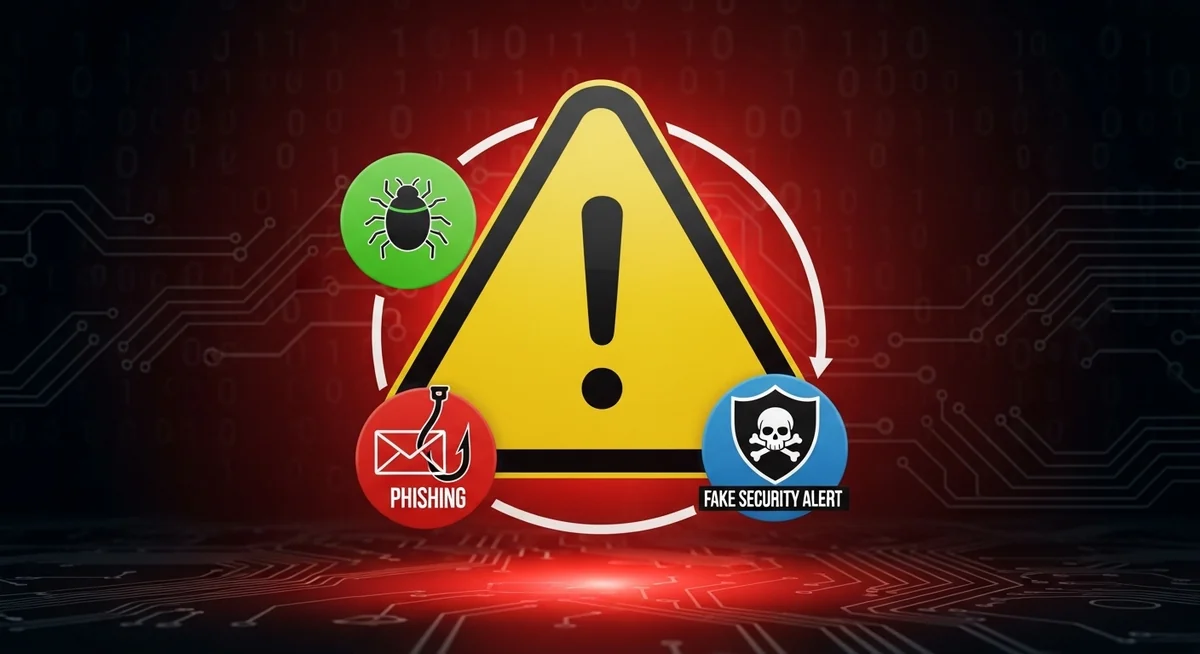
Many services advertising the ability to steal photos from a phone are outright scams designed to:
- Steal payment information
- Harvest your personal data
- Install malware on your device
- Phish your credentials
- Sell non-functional software
These fraudulent services prey on people’s relationship insecurities and jealousies, taking money without delivering promised capabilities. Ironically, attempting to monitor someone else’s phone often results in your own device being compromised.
Critical: Never download “free photo spy” apps — they install malware on YOUR device instead. The hunter becomes the hunted.
What About Photos People Share Publicly?
It’s worth noting that many photos people share publicly on Instagram, TikTok, Facebook, Snapchat stories, and other platforms require no sophisticated methods to steal photos from phones. Before considering illegal surveillance:
- Review what’s already publicly available
- Consider whether public posts already answer your questions
- Recognize that public sharing may indicate transparency rather than secrecy
These precautions significantly reduce your risk.
Final Thoughts
Yes, it is technically possible to steal photos from a phone through monitoring software, cloud account access, or physical device access — and this capability is easier to achieve than most people realize.
However, this capability comes with severe legal and ethical consequences that far outweigh any perceived benefits.
For parents who need to monitor their child’s photos and online activity, Hoverwatch captures screenshots and photos in stealth mode — legally, on devices you own.
For more security tips, see our guide to detecting spy apps and our Hoverwatch review.
Frequently Asked Questions
The most realistic scenario is through your cloud account. If someone gets your iCloud or Google Photos password (through phishing or a data breach), they can download every photo you've ever backed up without touching your phone. Enable 2FA on your cloud accounts immediately — this blocks the most common attack vector.
Check these things: Is your iCloud or Google Photos shared with their account? Did you grant them access to a shared album? Is your phone backing up to a computer they have access to? Check Settings for unfamiliar apps and review your cloud account's connected devices. Run Malwarebytes for a spyware scan.
No. Every single one is a scam. They either steal your payment info, harvest your data, or install malware on your device. No website can access someone's phone photos using just a number. Real photo access requires either cloud credentials, physical device access, or installed spyware.
In most jurisdictions, yes — parents can monitor devices they own that their minor children use. Apps like Hoverwatch are designed for this purpose. However, as children reach their late teens, privacy expectations increase. Best practice: be transparent about monitoring rather than doing it secretly.
Use a photo vault app with its own password (not the same as your phone lock). Enable 2FA on iCloud and Google accounts. Disable automatic cloud backup for sensitive images. Use encrypted messaging (Signal) for sharing private photos — enable disappearing messages. Review app permissions regularly.