How To Find Hidden Apps on Android and Other Devices?
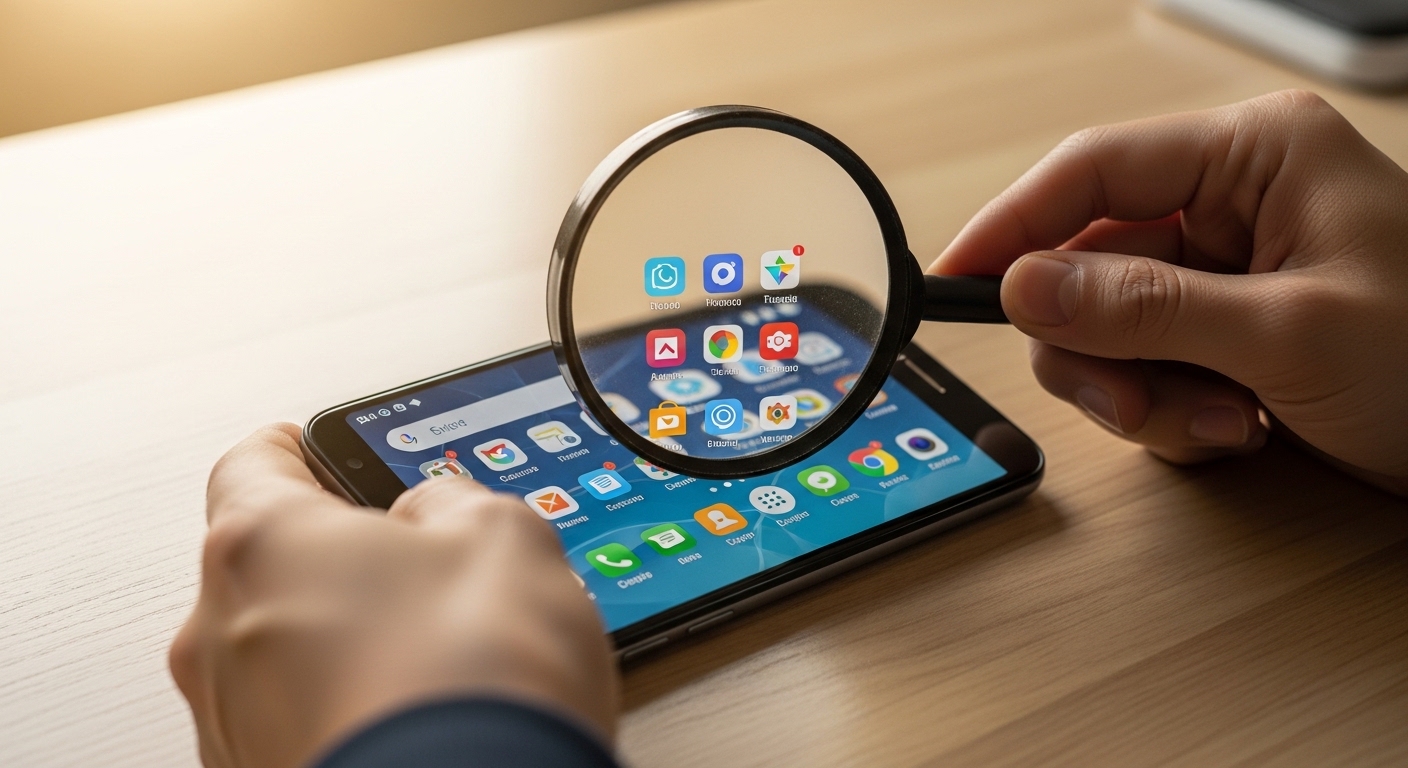
Hidden apps on Android can lurk in your app drawer, system settings, or deep inside file directories — and learning how to find hidden apps on Android takes just a few minutes once you know where to look.
Whether you suspect spyware, secret messaging tools, or vault apps disguised as calculators, this guide walks you through every detection method step by step.
Monitoring someone’s device without their knowledge may violate federal and state wiretapping laws, including the Computer Fraud and Abuse Act and ECPA. Always obtain proper.
Why Would Someone Hide Apps on a Phone?

Commercial spyware tools are designed to run invisibly in the background, tracking calls, messages, and location without any visible icon on the home screen.
Parents often discover their kids have installed vault or calculator apps that double as secret photo storage.
These apps look harmless on the surface but contain locked galleries and private browsers behind a PIN.
Hoverwatch is popular with parents for monitoring, but they can also be misused in relationships or by employers.
Understanding these motives helps you know what to watch for when checking your own device.
“Hidden apps are the number one tool in domestic surveillance cases I investigate.
Parents should check their children’s phones regularly — but partners secretly monitoring each other is where it crosses the legal line.”
Alex Rivera, CEH, OSCP
How Do You Find Hidden Apps on Android Step by Step?
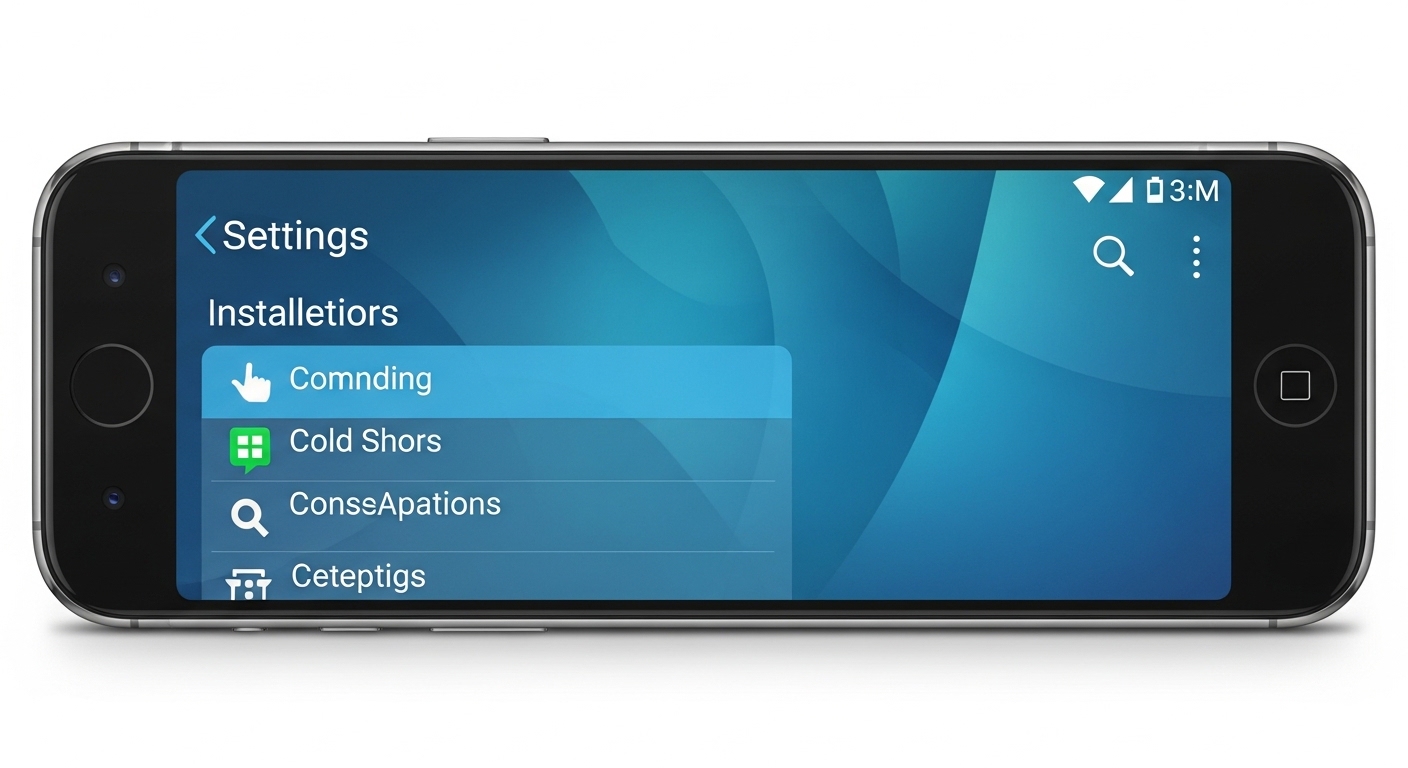
Knowing how to find hidden apps on Android starts with several built-in methods that require no extra installations.
Start with the easiest checks and work your way deeper for a thorough sweep.
Check App Drawer Settings
Many Android phones let you hide apps directly from the app drawer.
Swipe up from the home screen, tap the three-dot menu in the top right, and select Settings or Home screen settings.
On Samsung phones, look for the “Hide apps” list — it shows every concealed item with a simple toggle to restore visibility instantly.
If the list is empty, you have ruled out the easiest hiding spot.
Repeat this step after any factory reset or new launcher install. It takes under a minute and catches most basic concealment attempts.
Use Settings to See Everything
Head to Settings and tap Apps or Apps & notifications.
Choose See all apps, then tap the three-dot menu and enable Show system apps. This displays every single installed application, including those without icons.
Scan for anything unusual like “System Service,” “Android System,” or apps with no recognizable logo. Check details for high data usage or battery drain even when idle.
Sorting the app list by “last used” or “size” quickly reveals recent additions and storage-heavy apps that could be hiding monitoring tools.
Check App Permissions
Suspicious apps often request broad access like accessibility services, device admin rights, or usage statistics.
Go to Settings > Apps > Special app access and review each category for unknown entries.
Device admin apps can prevent uninstallation and control your phone remotely — revoke admin rights for any app you do not recognize immediately.
Hoverwatch and similar monitoring tools frequently use these permissions to stay active.
This permissions check is one of the most reliable ways to find hidden apps on Android. Clearing them limits damage while you decide on full removal.
Use a File Manager
Download a reliable file manager like CX File Explorer from the Play Store.
Navigate to folders like Downloads, Android/data, or Android/obb and search for APK files or folders with cryptic names.
Hidden apps sometimes store data outside normal locations.
Look for large unexplained files or directories created recently. Delete anything you cannot identify after a quick online search of the folder name.
Enable hidden files view in the manager settings. This step catches apps installed via sideloading that never appeared in the app list.
How Do You Find Hidden Apps on iPhone?
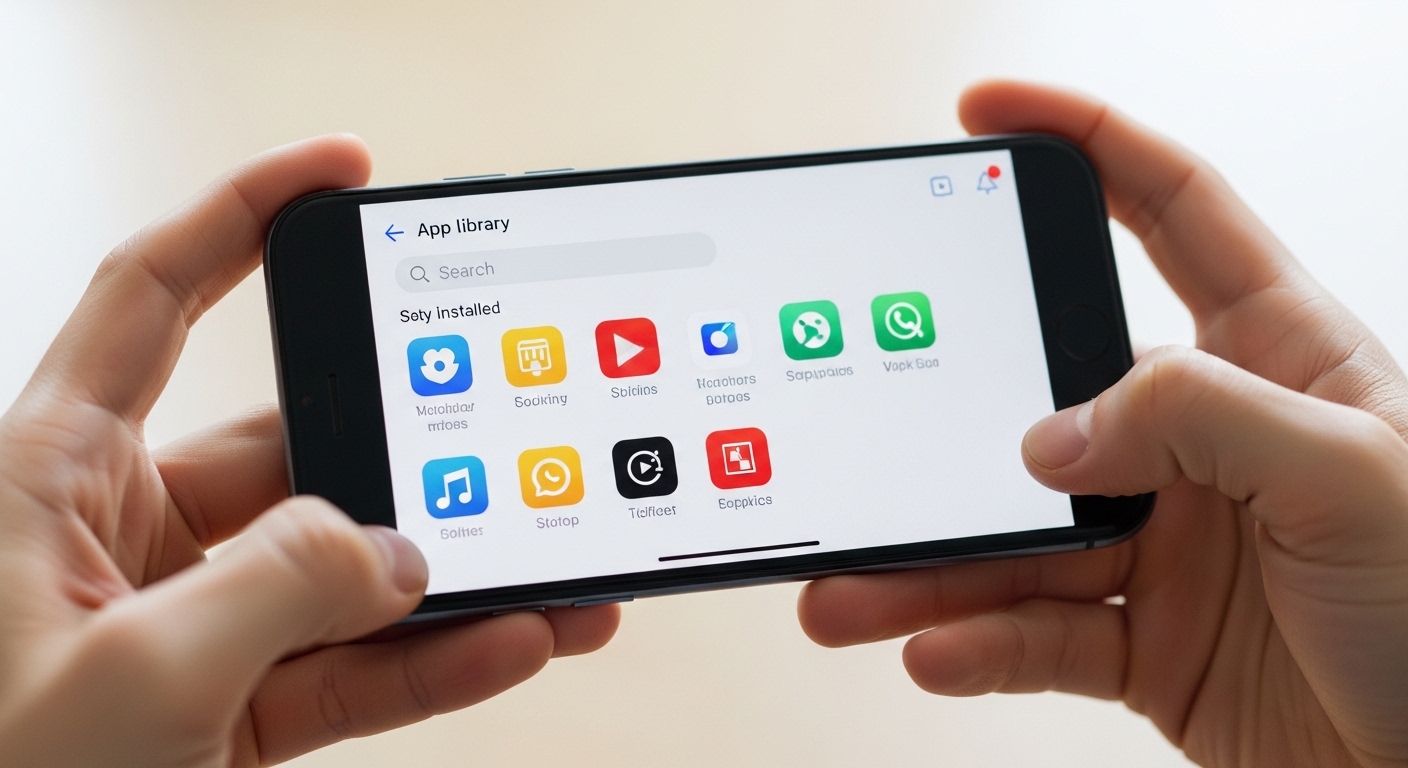
iPhones have their own set of hiding spots that require different detection methods. Apple’s tighter ecosystem makes concealment harder but not impossible.
Check Screen Time and Restrictions
Open Settings and tap Screen Time. Review App Limits and Content & Privacy Restrictions for any apps set to “always allow” or hidden from the home screen.
Downtime schedules or family sharing settings can also mask apps. Changes made without your knowledge frequently show up in these logs.
Search in App Library
Swipe left repeatedly until you reach the App Library on the last page.
Use the search bar at the top to type any suspected app name — every installed app appears here regardless of home screen visibility.
Look for the “Hidden” folder in the App Library — it requires Face ID to open and contains deliberately concealed apps removed from the main screens.
Check Installed Profiles
Go to Settings > General > VPN & Device Management. Any configuration profiles listed here could enable hidden monitoring or enterprise management.
Profiles install extra settings that regular apps cannot. They survive app deletions and can hide background processes. Remove unfamiliar ones immediately after noting their details.
“The first thing I check on a potentially compromised device is the accessibility services list.
Legitimate apps rarely need accessibility access — if you see an unfamiliar app there, treat it as a red flag.”
Dr. Sarah Chen, Digital Forensics Expert, SANS Institute
Which Apps Best Detect Hidden Spyware?
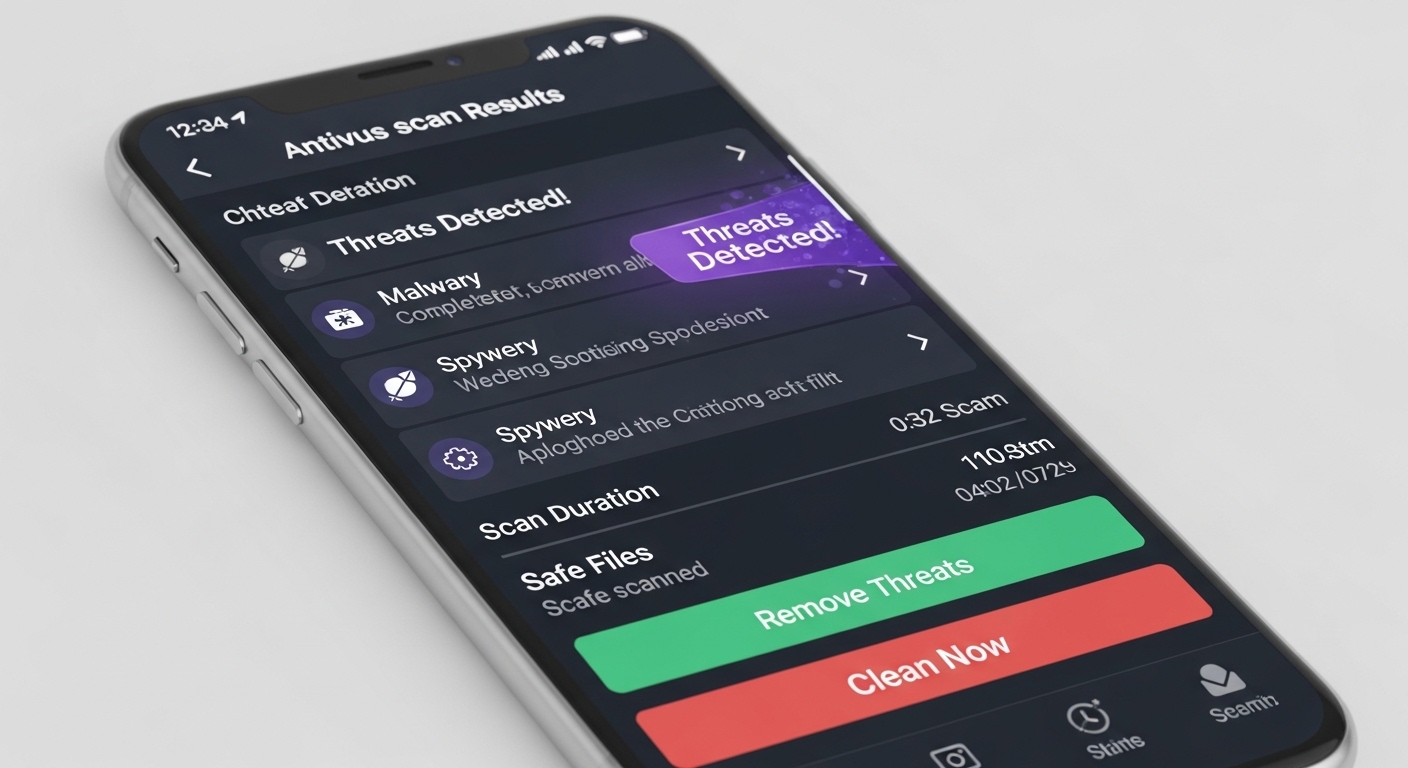
Dedicated scanner apps go beyond manual checks by analyzing behavior, permissions, and known threat signatures. They flag stalkerware, keyloggers, and monitoring tools that blend into system processes.
Parents often rely on tools like Hoverwatch for discreet monitoring of kids’ devices — scanners detect these exact patterns: unusual admin access, background data spikes, and unfamiliar accessibility services.
Here is a comparison of the top detection tools available on the Play Store.
 Protectstar Anti Spyware — AI-powered detection covering over 10,000 known threats. Free basic version, PRO from $6.90. Best for everyday users wanting fast certified scans.
 Certo AntiSpy — Advanced spyware and keylogger detection with OS integrity checks. $29.95 per year per device. Best for thorough analysis with easy-to-understand reports.
Avast Mobile Security offers full antivirus plus spyware scanning, Wi-Fi security, and app behavior monitoring — all with a capable free tier and optional premium upgrades.
Run one of these weekly even if nothing seems wrong. They catch sophisticated hidden apps that manual methods might miss.
What Should You Do When You Find a Hidden App?
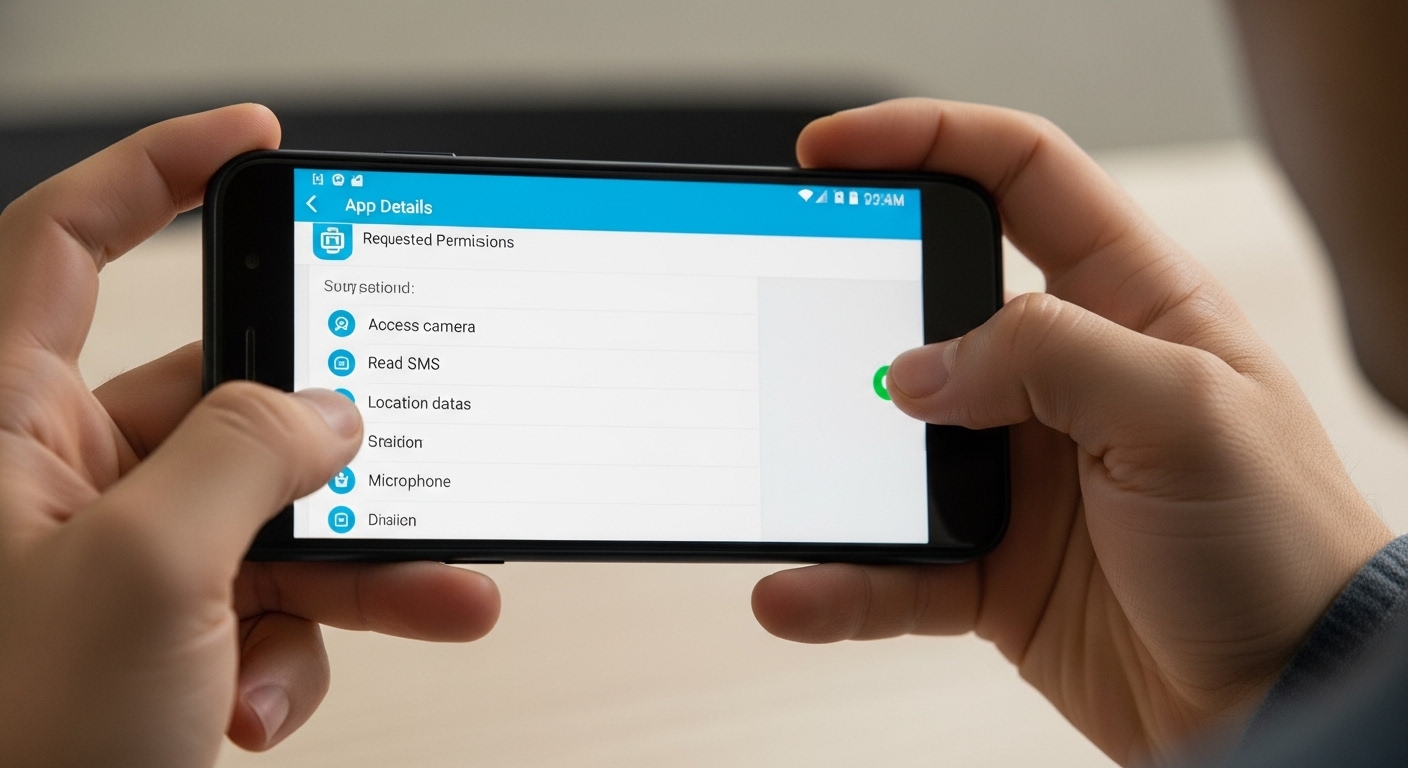
Take a screenshot of the app details first.
Note the name, version, and any permissions it holds. This evidence helps if you need to confront someone or seek professional help later.
Check what data the app accessed in Settings > Apps > the suspicious app > Permissions or Storage & cache. Revoke everything unnecessary right away.
Force stop the app immediately to halt any ongoing data collection, then uninstall it. If it resists removal, deactivate device admin rights first.
Change passwords for any accounts it might have accessed and enable two-factor authentication everywhere. Prioritize email, banking, and social media accounts.
How Can You Prevent Hidden Apps From Being Installed?
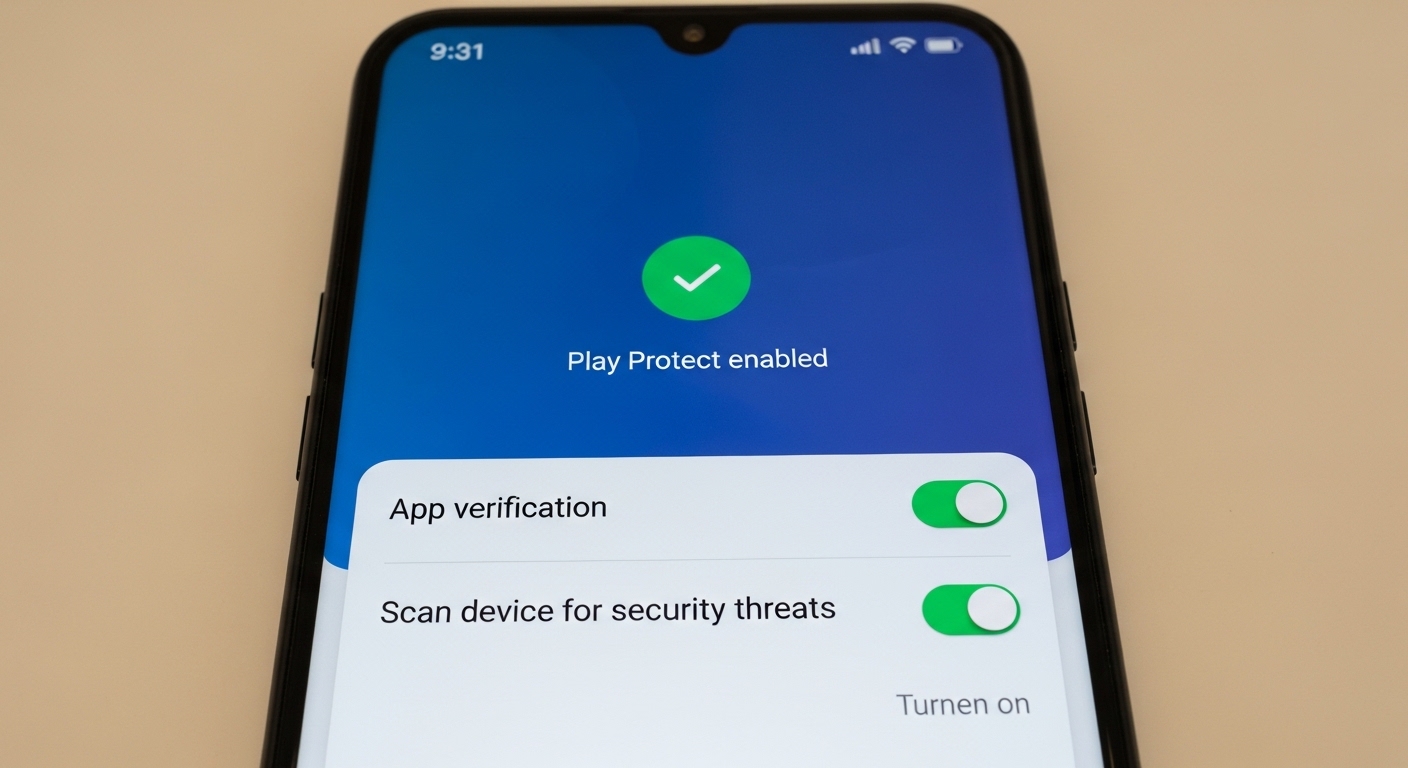
Keep Google Play Protect enabled in the Play Store settings. It scans new apps automatically and warns about risky ones before installation.
Turn off “Install unknown apps” for all sources except the Play Store itself — this single setting blocks most sideloaded spyware attempts.
 Use a strong screen lock and never share your PIN or biometric access. Review app permissions regularly through Settings > Privacy for any changes.
 Perform a quick audit once a month using the steps in this guide. Update your phone and all apps promptly to patch security vulnerabilities.
Set up family controls or work profiles if you share the device with others. These habits make it far harder for anyone to slip hidden software onto your Android device.
Final Thoughts
Learning how to find hidden apps on Android means mastering how to find hidden apps on Android to stay in control of your device’s privacy.
The process is straightforward once you know the right places to check — stay consistent with scans and permission reviews.
Your phone should work for you, not against you. Take action today with these practical steps and the right tools to spot hidden apps before they cause real problems.
Frequently Asked Questions
Absolutely, and it happens more often than you'd think. Hidden apps and their cached data can consume gigabytes without showing up in plain sight. Knowing how to find hidden apps on Android helps you track down these storage hogs. Go to Settings > Apps, enable "Show system apps," and sort by size — you'll spot the storage hogs fast. A quick scan with Protectstar usually reveals the culprit if manual checks come up empty.
It could go either way, honestly. Legitimate system apps exist with that name, but spyware loves to disguise itself with generic labels. Check its permissions and battery usage in Settings — if it has accessibility or device admin rights without a clear purpose, that's a red flag. Search the exact package name online, and if it looks suspicious, remove it through ADB or a factory reset.
They'd usually need physical access for a few minutes, especially on a non-rooted phone. Malicious links or files can sometimes sideload apps, but Play Protect blocks most of those attempts. Lock your phone when you're not using it and keep "Install unknown apps" turned off for every source. Regular spyware scans catch anything that slips through the cracks.
A standard factory reset wipes nearly all third-party apps and data, so you're probably fine. Only advanced rooted spyware survives in very rare cases. The key is not restoring from a suspicious backup afterward — reinstall only trusted apps fresh from the Play Store. Run a spyware scan right after setup and you should be completely clean.
Yes, and they work better than most people expect. Protectstar Anti Spyware has a solid free version that catches common stalkerware and monitoring tools. Avast Mobile Security also provides strong free spyware scanning alongside its antivirus features. Combine either one with the manual checks from this guide and you're covered without spending a dime.