How To Hack Gmail Account?

Gmail accounts don’t get hacked through Hollywood-style code breaking. They fall to phishing, reused passwords, and social engineering tricks that exploit human mistakes every single day.
Understanding how to hack Gmail account searches actually work helps you build real defenses. The methods are simpler than you think — and so are the fixes.
Unauthorized access to someone’s Gmail account violates the Computer Fraud and Abuse Act (18 U.S.C. § 1030) and similar laws worldwide. This article is for educational and protective purposes only.
How Do Gmail Accounts Actually Get Hacked?
Anyone searching how to hack Gmail account will find that real compromises happen through stolen login details. The process never involves breaking Google’s encryption directly.
Tutorials explaining how to hack Gmail account rarely mention this, but attackers gather info from public social media profiles. They craft personalized messages that feel trustworthy.
Over 3.4 billion phishing emails are sent globally every day, according to cybersecurity research. Social engineering accounts for 98% of successful cyberattacks.
The damage spreads fast without early detection. Real methods stay simple and effective. Phishing emails remain the top entry point for anyone trying to hack Gmail account credentials.
Credential stuffing from past breaches comes second. SIM swapping and device malware round out the list.
“The most effective security measures are often the simplest: strong unique passwords, two-factor authentication, and keeping your software updated. Most breaches exploit basic oversights, not sophisticated vulnerabilities.”
Alex Rivera, CEH, OSCP
What About Most Common Gmail Attack Methods?
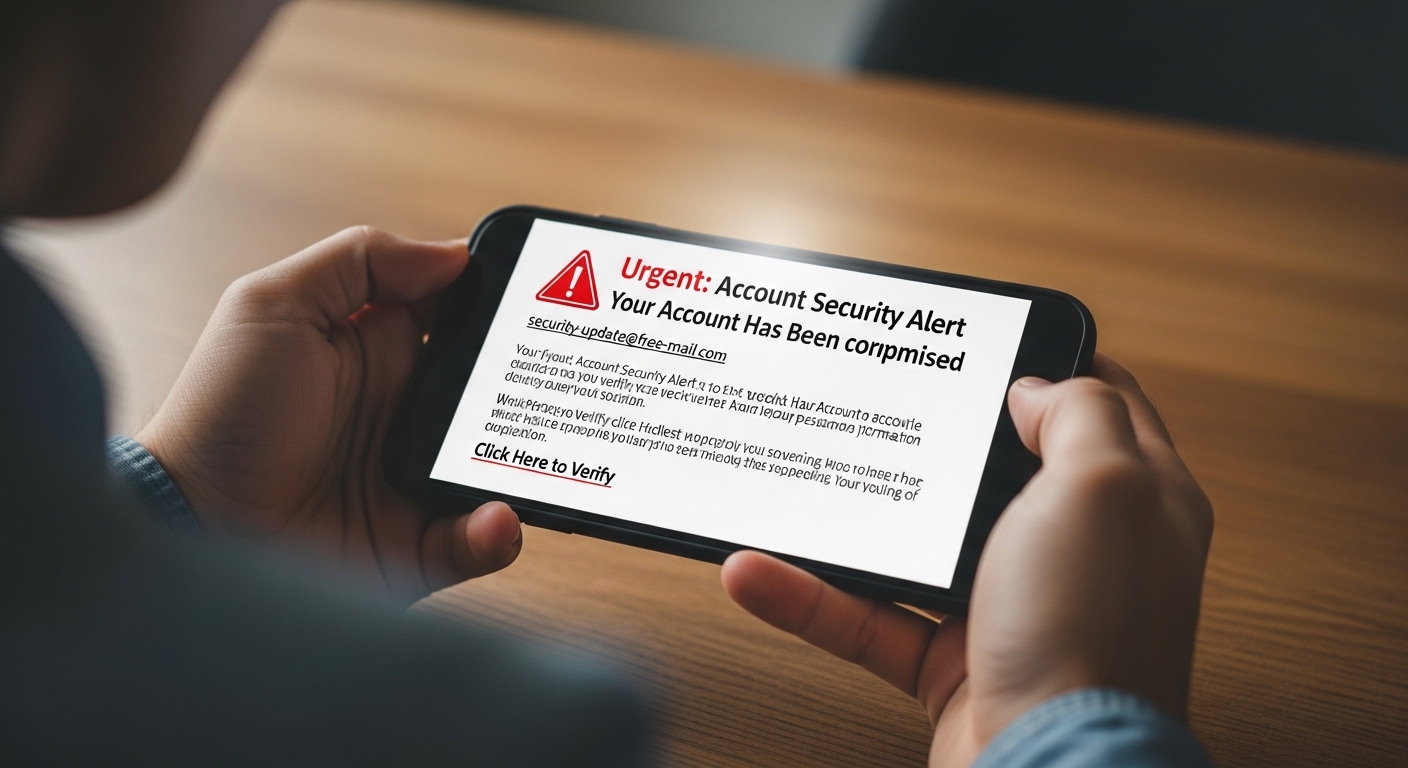
Never click links in emails claiming “Your account will be suspended in 24 hours.” Google never asks for your password by email.
Visit Have I Been Pwned and enter your email to check for leaks. Change any reused password immediately.
 SIM swap attacks rose 400% between 2020 and 2023. Carriers have improved verification, but determined attackers still succeed regularly.
 Once attackers control your number, they request a Gmail password reset. The verification code arrives on their phone. SMS-based 2FA becomes useless.
You can find hidden apps on your device using security scanning tools to detect keyloggers and other malware.
Choose the approach that best fits your specific situation and needs.
What About Why “Free Gmail Hack” Tools Are Always Scams?

Free Gmail hack tools are scams that steal your own data instead of cracking any account. Sites promising instant access simply collect your information.
No legitimate tool exists that can hack Gmail account credentials remotely. Any site claiming otherwise wants your money or your login details. Report them immediately.
These scams prey on curiosity when people search how to hack Gmail account online. The page demands payment or personal details. Nothing happens except your data gets harvested.
Google processes over 1.8 billion Gmail accounts with enterprise-grade encryption. Brute-force attacks against this infrastructure are computationally impossible for outsiders.
How Do You Monitor Email Activity on Family Devices?

Instead of trying to hack Gmail account credentials, parents can monitor email activity using legitimate parental control solutions. Hoverwatch offers a reliable option for tracking children’s online behavior safely.
Hoverwatch installs on the child’s phone and logs app usage including Gmail activity. Parents view reports remotely from their dashboard. Check our detailed Hoverwatch review for setup instructions.
mSpy serves as a strong alternative with more advanced remote access options. Both require physical access for initial setup and are designed strictly for parental use with consent.
| Feature | Hoverwatch | mSpy |
|---|---|---|
| Email & App Activity Logs | Yes, screenshots and usage reports | Yes, detailed message and app tracking |
| Keylogger for Gmail Typing | Yes | Yes |
| GPS Location Tracking | Yes | Yes |
| Social Media Monitoring | Yes | Advanced coverage |
| Subscription Starting Price | More affordable monthly plans | Higher premium tiers |
| Ease of Use for Parents | Simple dashboard | Feature-rich dashboard |
| Legitimate Parental Purpose | Designed for family safety | Designed for family safety |
Always inform family members and follow local laws when using monitoring tools. These solutions protect children from the attacks described earlier.
How Do You Secure Your Gmail Account Right Now?
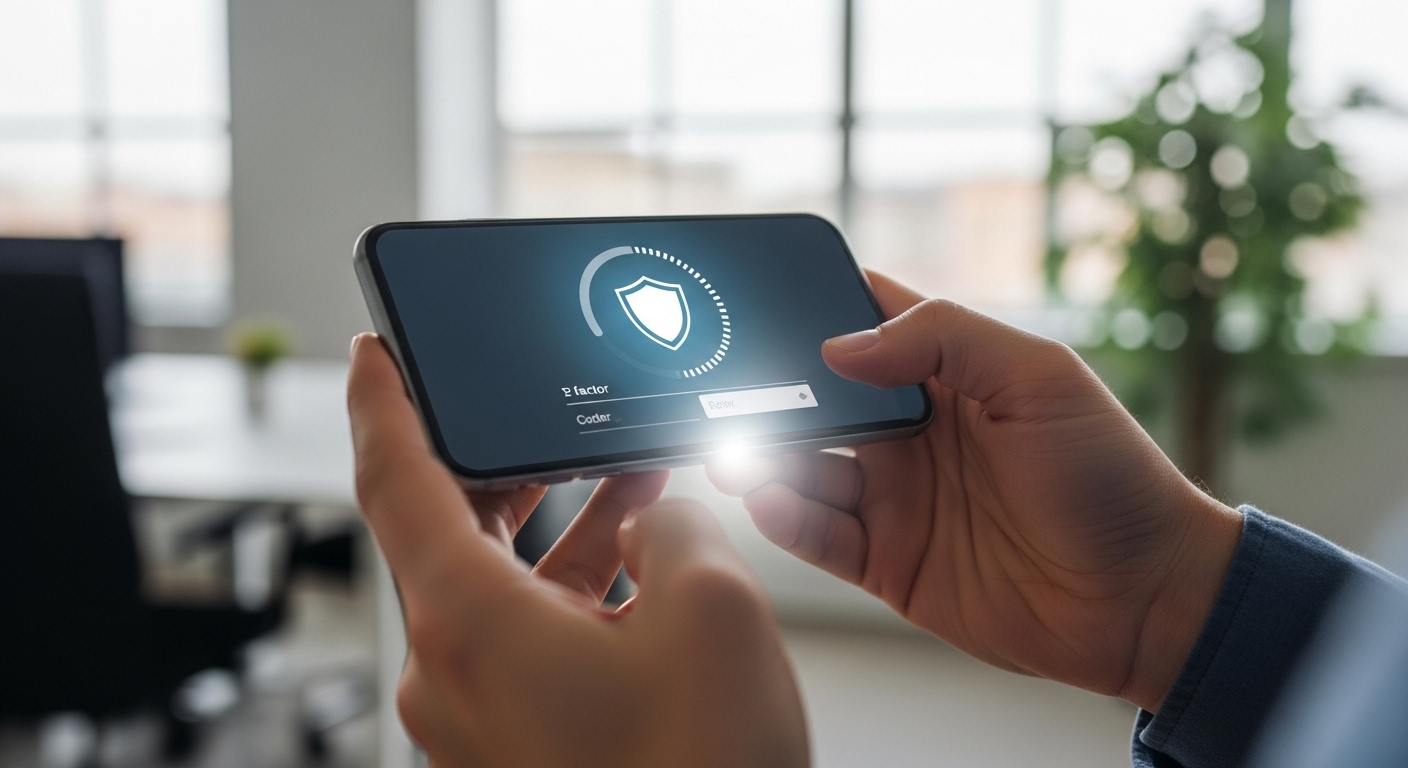
Turn On 2-Step Verification
2-Step Verification stops anyone who knows how to hack Gmail account even if they have your password. Use an authenticator app instead of SMS for stronger protection.
Open your Google Account settings at Google Security Checkup. Navigate to Security, then select 2-Step Verification and follow the wizard.
Choose Google Authenticator or Authy over SMS codes. App-based codes stay on your phone, work offline, and cannot be intercepted through SIM swapping.
Use a Strong Unique Password
Use a strong unique password with at least 16 random characters. Length defeats brute-force attempts better than symbol mixing. Never reuse it anywhere else.
Password managers generate and store complex passwords safely. Enable autofill only on trusted devices. Change your Gmail password immediately if you suspect reuse.
 A good password looks like a random string nobody can guess. Dedicated password managers remember everything so you don’t have to.
 Combine a unique password with 2-Step Verification for maximum strength. This pair makes credential stuffing nearly impossible even after major breaches.
Review Account Activity
Anyone who knows how to hack Gmail account leaves traces in your activity log. Review it regularly — Gmail shows recent sessions at the bottom of your inbox.
Run the Security Checkup tool at your Google account settings page. It highlights weak spots and lists recent devices. Sign out suspicious sessions immediately.
Look for logins from unfamiliar cities or devices. Make this review a monthly habit. Early detection limits damage from any breach attempt.
Set Up Recovery Options
Add a backup email address and phone number you control. Print or save the ten recovery codes Google provides during setup.
Choose a backup email not linked to the same phone or provider. Update details whenever your contact information changes.
Check Third-Party App Access
Revoke old or suspicious third-party connections in your security settings. Many apps request full Gmail access during setup and keep it forever.
A single compromised third-party app token can give attackers indirect Gmail access without needing your actual password. Review connected apps every few months.
Similar risks apply to other platforms — learn how attackers hack Facebook Messenger through connected apps.
How Do You Recover a Hacked Gmail Account?
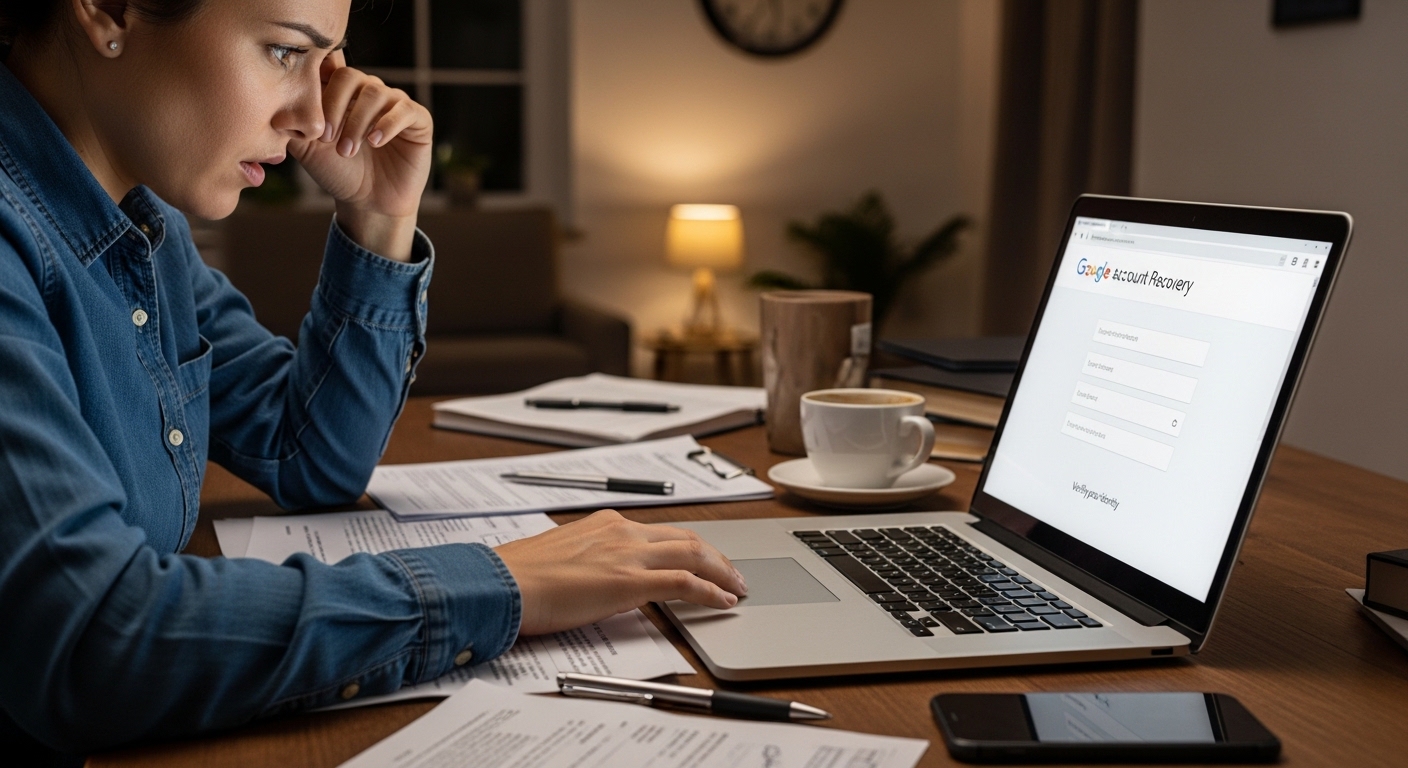
If someone managed to hack Gmail account access, start recovery at accounts.google.com/signin/recovery. Enter your email and follow every prompt with accurate details.
Google asks for the approximate account creation date, old passwords, frequent contacts, or usual devices. Each correct answer improves your chances of recovery.
Act quickly once you notice unusual activity. Change passwords on all linked accounts immediately after recovery. Run a full device scan for malware before logging back in.
Prevention remains far easier than recovery. A prepared account with backup options almost always succeeds. Without preparation, some accounts become permanently lost to those who hack Gmail account credentials.
“Digital security is a shared responsibility. Parents monitoring their children, employers securing company devices, and individuals protecting their own accounts all contribute to a safer ecosystem.”
Dr. Sarah Chen, Digital Forensics Expert, SANS Institute
Final Thoughts
Stop searching how to hack Gmail account and start building real defenses. Unique passwords, app-based 2FA, and regular activity checks block the vast majority of attacks.
Security is an ongoing practice. Knowing how to hack Gmail account works defensively makes you far harder to target. Share these steps with friends and family.
Frequently Asked Questions
Yeah, you still have a shot through Google's account recovery form. Fill in everything you remember — old passwords, devices you used, even the rough date you created the account. It might take a few tries over several days, but Google's review team does look at each submission. Set up multiple recovery options now so you never end up in this situation again.
No way. Your email address alone gives zero login power. They'd still need your password or a way around your 2FA. They can use the address for phishing attempts, sure, but a strong unique password plus an authenticator app shuts that down completely. Don't stress about your address being public — just lock down the actual account.
Almost certainly phishing. Google never sends emails asking you to click a link and enter your password. Real security alerts tell you to go directly to gmail.com yourself. Check the sender address carefully — if it's not from an @google.com domain, delete it. When in doubt, just open your account settings manually and check for alerts there.
Unfortunately yes. Your Gmail login is basically a master key to your entire Google life — Drive files, Photos, YouTube history, Calendar, everything. They can also send emails as you to your contacts, which makes the breach look legit. That's why quick detection matters so much. The second you get back in, revoke all sessions and change passwords everywhere.
Authenticator app, hands down. SMS codes can be intercepted through SIM swapping — where an attacker convinces your carrier to transfer your number. App-based codes like Google Authenticator or Authy stay on your physical device and work offline. Disable SMS fallback if you can. It's the single easiest upgrade to your Gmail security.