How To Find Out Who Owns A Phone Number?
A reverse phone lookup can reveal the name, location, and carrier behind any unknown number in seconds — using free tools already available on your phone or computer.
Whether it’s a persistent telemarketer, a potential scammer, or someone you’ve lost touch with, matching a number to an identity has never been easier.
Free apps handle the basics while paid services dig into public records for the full picture.
Phone number lookups must comply with federal and state privacy laws including the Telephone Consumer Protection Act (TCPA). Use these tools only for lawful purposes.
What About What Is a Reverse Phone Lookup and How Does It Work?

Services combine crowdsourced tags from millions of users with official telecom data including carrier name, line type, and registered location.
Results typically include the caller’s name, city, and any spam flags attached to the number.
Free versions deliver basic info quickly while paid tools access deeper records like past addresses and relatives.
A reverse phone lookup works best when accuracy depends on how publicly the number has been shared.
Recently active numbers with social media presence tend to return the most complete results.
“The most effective security measures are often the simplest: strong unique passwords, two-factor authentication, and keeping your software updated. Most breaches exploit basic oversights, not sophisticated vulnerabilities.”
Alex Rivera, CEH, OSCP
What About Free Methods to Find Out Who Owns a Phone Number?
Google the Number
Copy the full phone number and paste it into Google with quotation marks around it.
This exact-match search surfaces any public listings, business pages, or forum mentions tied to the caller.
Scan the top results for names, addresses, or reviews. If nothing appears, try removing the quotes or adding the area code separately for broader results.
Truecaller
Download Truecaller from your phone’s app store and sign in with your number.
Type the unknown number into the search bar to see the community-identified name, general location, and spam risk rating instantly.
The free caller identification feature draws from over 450 million users who tag callers in real time.
It reveals the line type and warns about scams but shares your own contacts to build the database.
Review Truecaller’s privacy settings before using it — the app uploads your contact list to its shared database by default.
Social Media Search
Open Facebook and enter the phone number in the search bar.
If the owner linked it publicly, their profile or mutual friends may appear with a name and photo.
Try the same in WhatsApp or Telegram by adding the number as a contact.
The profile picture and status often reveal the owner’s identity without any extra apps.
Carrier Caller ID Services
Most carriers like Verizon and AT&T include basic caller name display through their apps or network settings.
Check your phone’s settings or carrier account for free name ID features.
These work best for landlines and published numbers. Contact your carrier support for any premium lookup add-ons they offer.
What Are the Best Paid Reverse Phone Lookup Services?
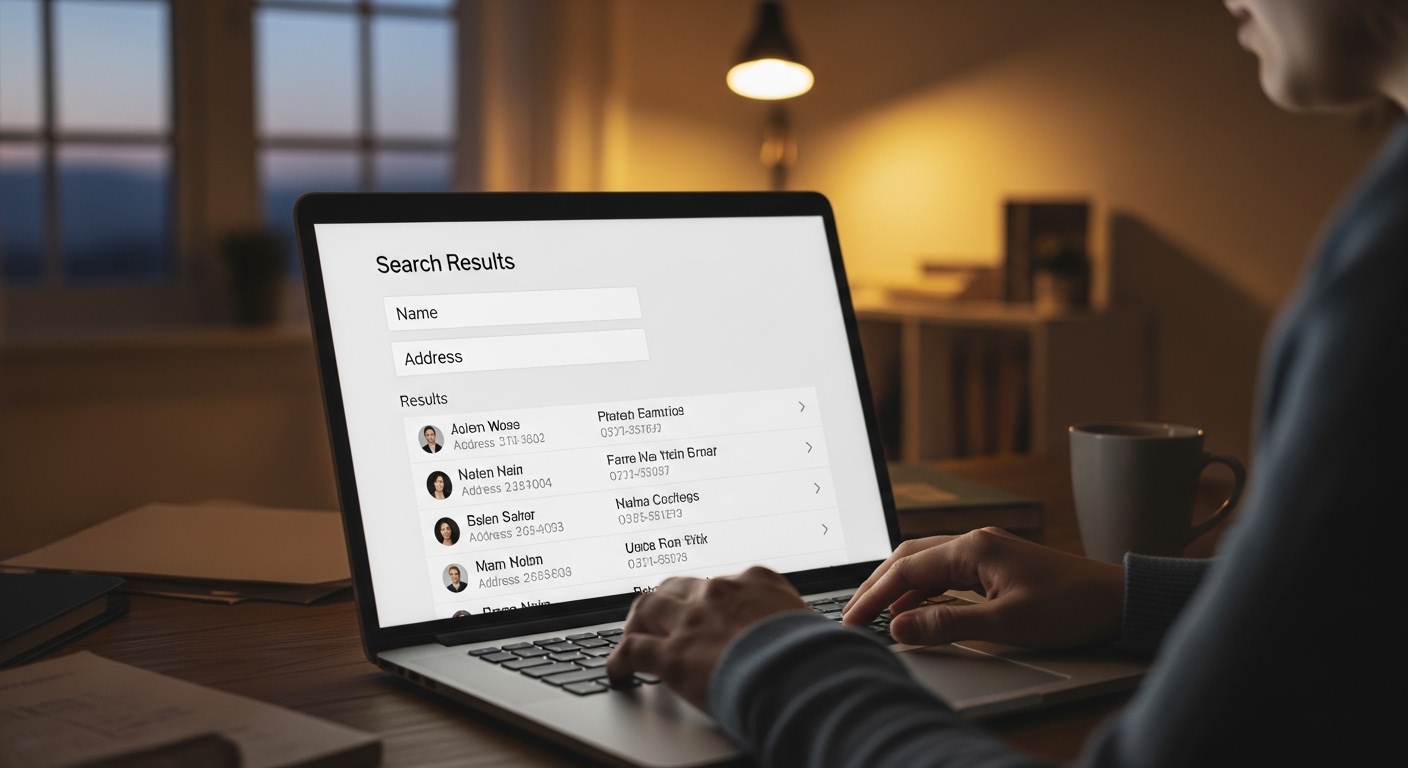
BeenVerified
Head to the BeenVerified website and enter the phone number in the search box.
After a quick preview, subscribe to unlock the full report with the owner’s name, addresses, relatives, and social media links.
Pricing starts at about $37 per month or drops to $24 monthly on a three-month plan with up to 100 reports included.
Accuracy is strong for public records but may miss very new or private numbers.
It’s ideal when you need detailed background beyond just a name.
Spokeo
Visit Spokeo’s number search page and type in the number for an instant match summary.
Upgrade to premium for the complete report including age, marital status, and associated addresses.
A seven-day trial costs just $0.95 before renewing at around $20-30 monthly.
It pulls from billions of records and delivers fast, clean results for verifying unknown callers.
Intelius
Go to Intelius and run a phone number search to preview available data.
The membership unlocks unlimited reports on names, addresses, and public records tied to the number.
Try the five-day trial for $0.95 before committing to the full $35 monthly plan — this lets you test accuracy on your specific number first.
Intelius excels at linking phone numbers to people searches and works well for both cell phones and landlines.
| Service | Free/Paid | Data Included | Accuracy | Price |
|---|---|---|---|---|
| BeenVerified | Paid | Name, address history, relatives, background | High for public records | $24–$37/month |
| Spokeo | Paid (trial available) | Name, age, address, social links | Strong on recent data | $0.95 trial, then $15–$30/month |
| Intelius | Paid (trial available) | Name, addresses, public records | Reliable for cell and landline | $0.95 trial, then $35/month |
Use this comparison to identify the option that matches your requirements.
How Do You Identify Spam and Scam Callers?
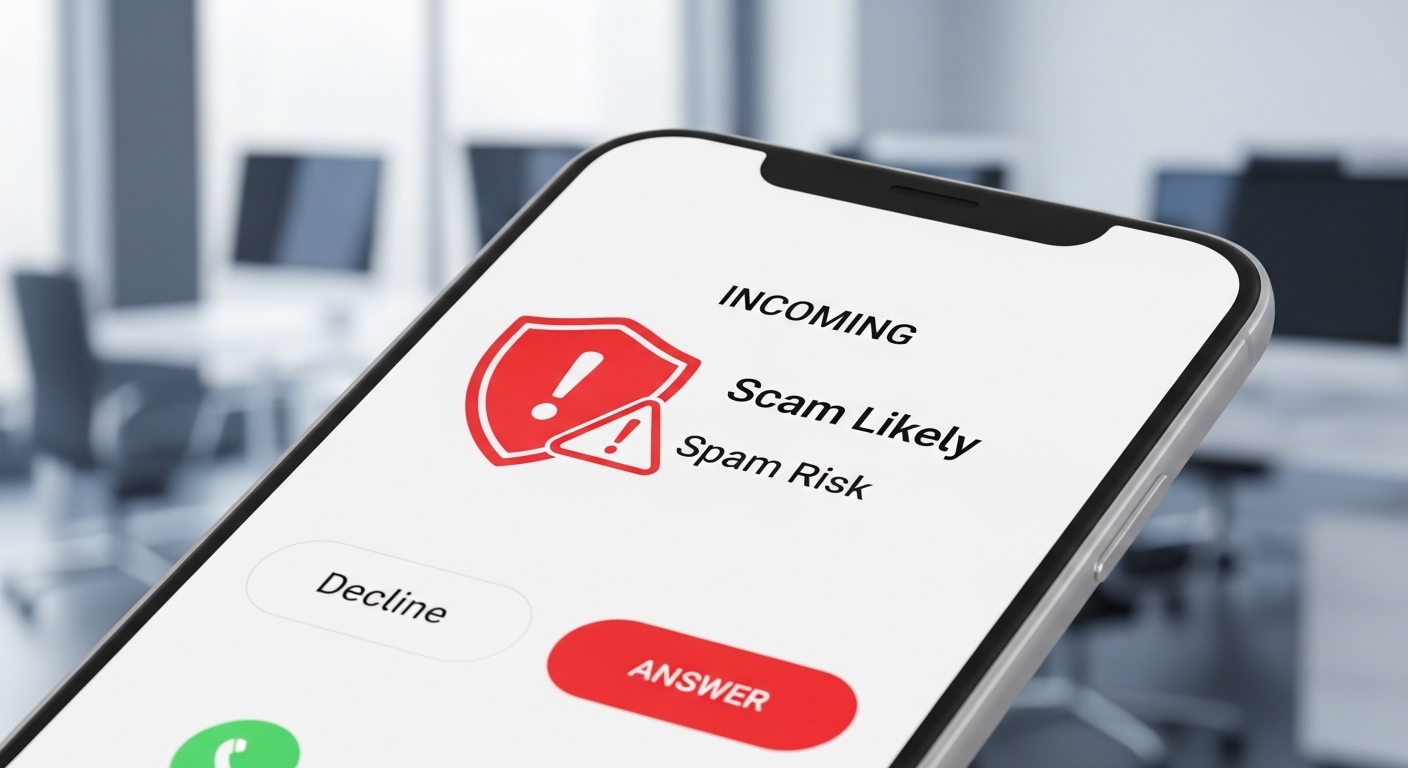
Download RoboKiller or Hiya from your app store and enable them as your default caller ID and spam blocker.
These reverse phone lookup apps analyze calls in real time using massive databases and audio fingerprinting.
Watch for red flags like unknown area codes, urgent demands for money or information, or calls claiming you won a prize you never entered.
RoboKiller blocks up to 99 percent of spam while letting important calls through.
Hiya adds AI-powered screening and voicemail transcription so you never miss legitimate messages.

RoboKiller uses audio fingerprinting to identify robocalls before they reach you.
Turn on automatic blocking for known scam categories and review the call log daily.

Hiya provides real-time caller identification backed by AI-powered analysis. Its voicemail transcription captures messages from blocked numbers for your review.
Choose the approach that best fits your specific situation and needs.
What About Can You Track a Phone Number Location?
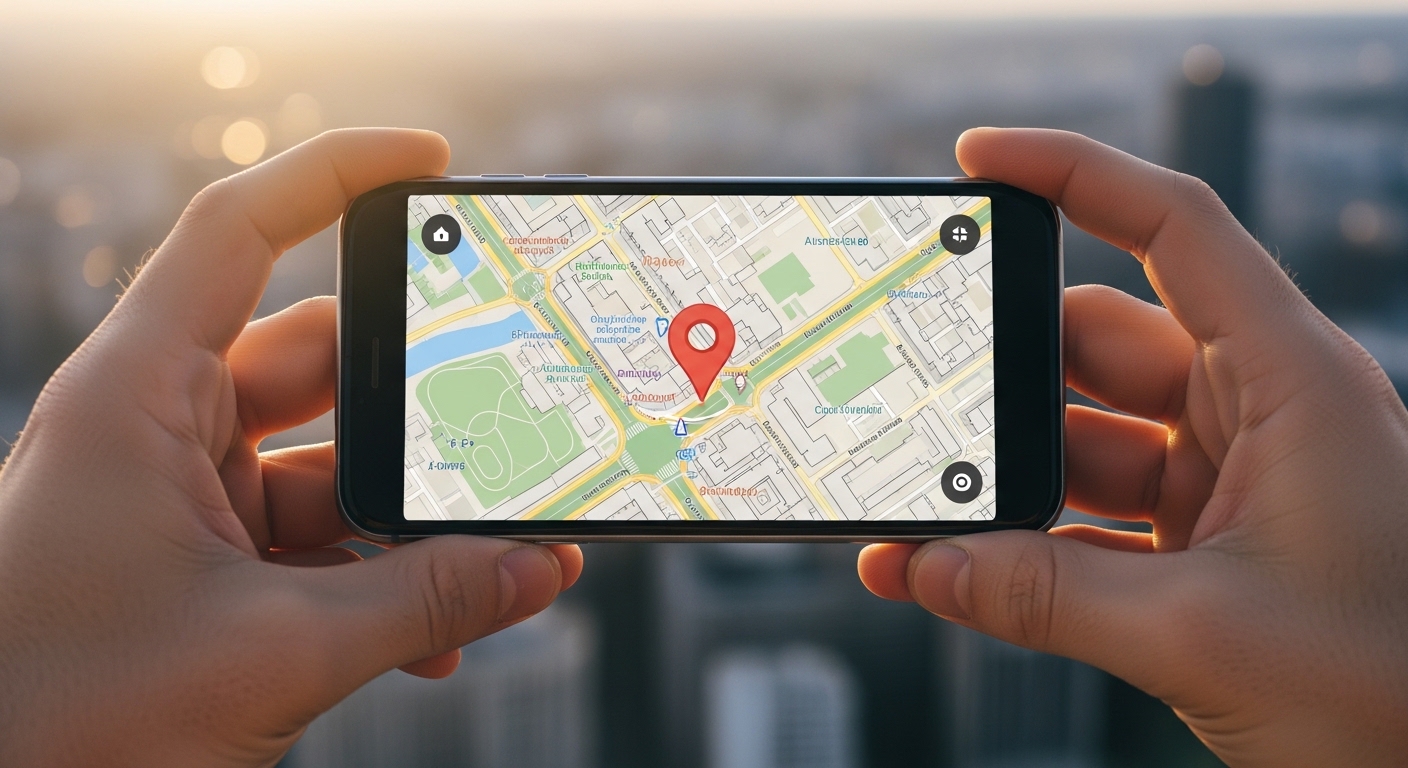
Real-time location tracking from a phone number alone is mostly a myth for everyday users.
Carrier tools or free apps can estimate rough city-level location at best but never pinpoint a device without consent.
Privacy protections in modern operating systems require explicit permission before any app can access GPS data — making number-only tracking virtually impossible for civilians.
For accurate monitoring, install Hoverwatch on the target Android device you own or manage.
This solution records GPS location history, calls, texts, and social media activity directly from the phone.
Log into your Hoverwatch dashboard to view live maps and past routes.
It works silently in the background and is ideal for keeping tabs on family devices or recovering a lost phone.
How Do You Protect Your Own Phone Number?
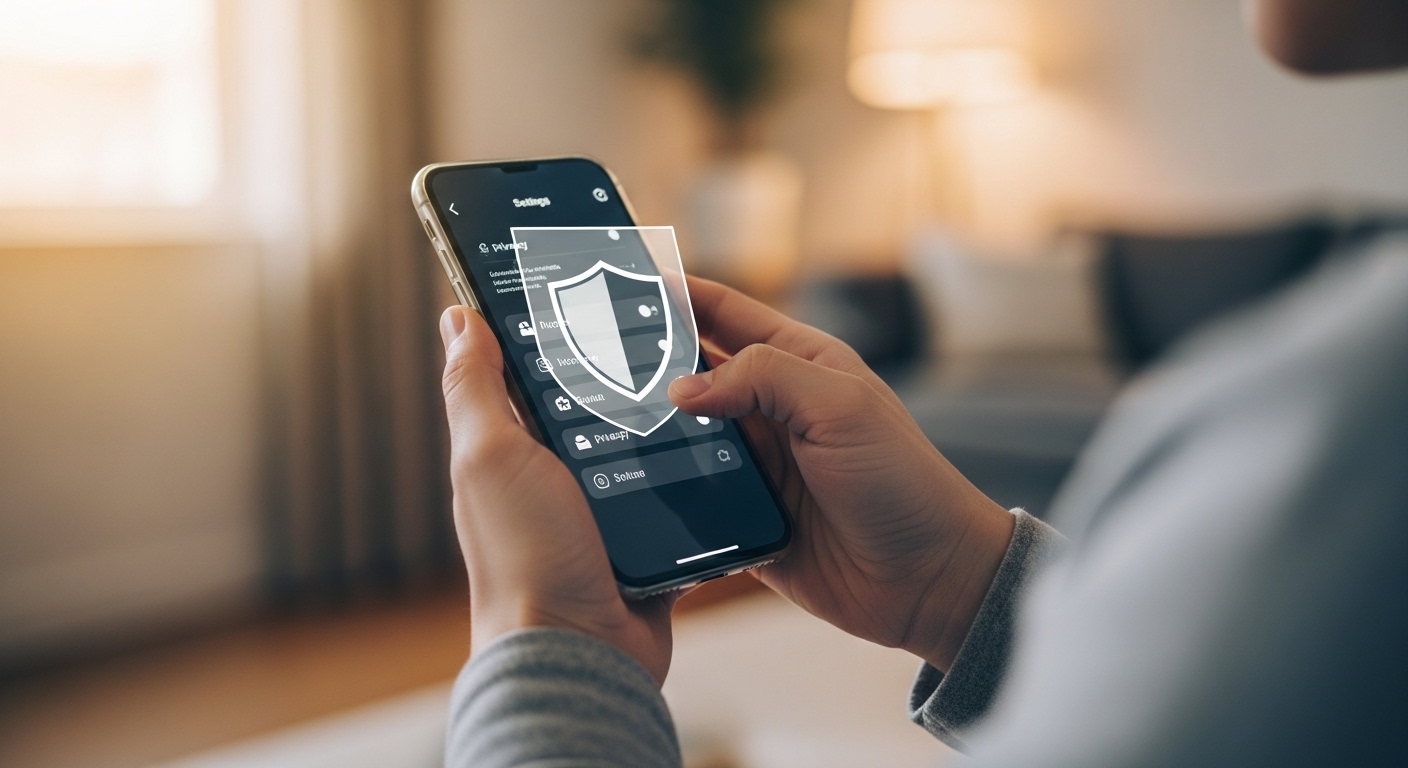
Avoid posting your number on public websites or social profiles.
Use a secondary number from Google Voice or similar services for online forms and marketplace sales.
Opt out of data broker sites used by number lookup services — search your number on BeenVerified or Spokeo and follow their removal links to limit future exposure.
Enable *67 before outbound calls when you want to hide your number temporarily.
Regularly review app permissions and turn off contact syncing that could leak your details to crowdsourced directories.
“Digital security is a shared responsibility. Parents monitoring their children, employers securing company devices, and individuals protecting their own accounts all contribute to a safer ecosystem.”
Dr. Sarah Chen, Digital Forensics Expert, SANS Institute
Final Thoughts
Start with free tools like Truecaller and Google for quick answers on unknown numbers.
When those leave gaps, paid reverse phone lookup services deliver the extra details you need without guesswork.
Combine smart blocking apps with simple privacy habits and you’ll stay in control of your calls and your information.
Hoverwatch adds reliable monitoring when location tracking matters most.
Frequently Asked Questions
Absolutely. Open Truecaller or just Google the number with quotes around it for a quick number search. You'll usually get a name and spam warnings within seconds. If that's not enough, Spokeo's $0.95 trial gives you the full report — then just block the number afterward so they can't bother you again.
Most of them bait you with a free preview that only shows the carrier or city. The actual owner details almost always sit behind a paywall or a trial that auto-renews. Stick to Truecaller's genuinely free tier for basics, or use BeenVerified's clear trial offer if you need more. Always read the fine print before entering any payment info.
Paid services like Intelius and BeenVerified often pull the name and recent addresses straight from public records. How much you get back depends on whether the person has their info listed publicly anywhere. Free tools rarely go beyond a name — so if you need the full picture, expect to spend a few bucks on a proper lookup.
Use Truecaller or a paid number lookup service immediately to get the owner's name and location. Screenshot everything and report the number to your carrier and local authorities. Turn on spam blocking through RoboKiller or Hiya to stop further calls while you build your case. If the harassment involves a device you manage, Hoverwatch can help you monitor the situation more closely.
Modern services handle both cell phones and landlines with solid accuracy. Crowdsourced data from apps like Truecaller actually makes cell lookups more reliable than landline searches in many cases. Paid tools pull from the same public records databases regardless of line type, so you'll get name and address matches for most numbers. VoIP numbers are the main exception — those tend to return less detail.



Can a phone be cloned remotely without physically having access to the phone?
Can a mobile phone number be cloned?
The grammar and syntax used in the articles here seem to be from a non-native English writer. This makes it hard to read and difficult to make use of what information is being conveyed. There also looks to be phrasing intended to inflate the word count which is unnecessary.